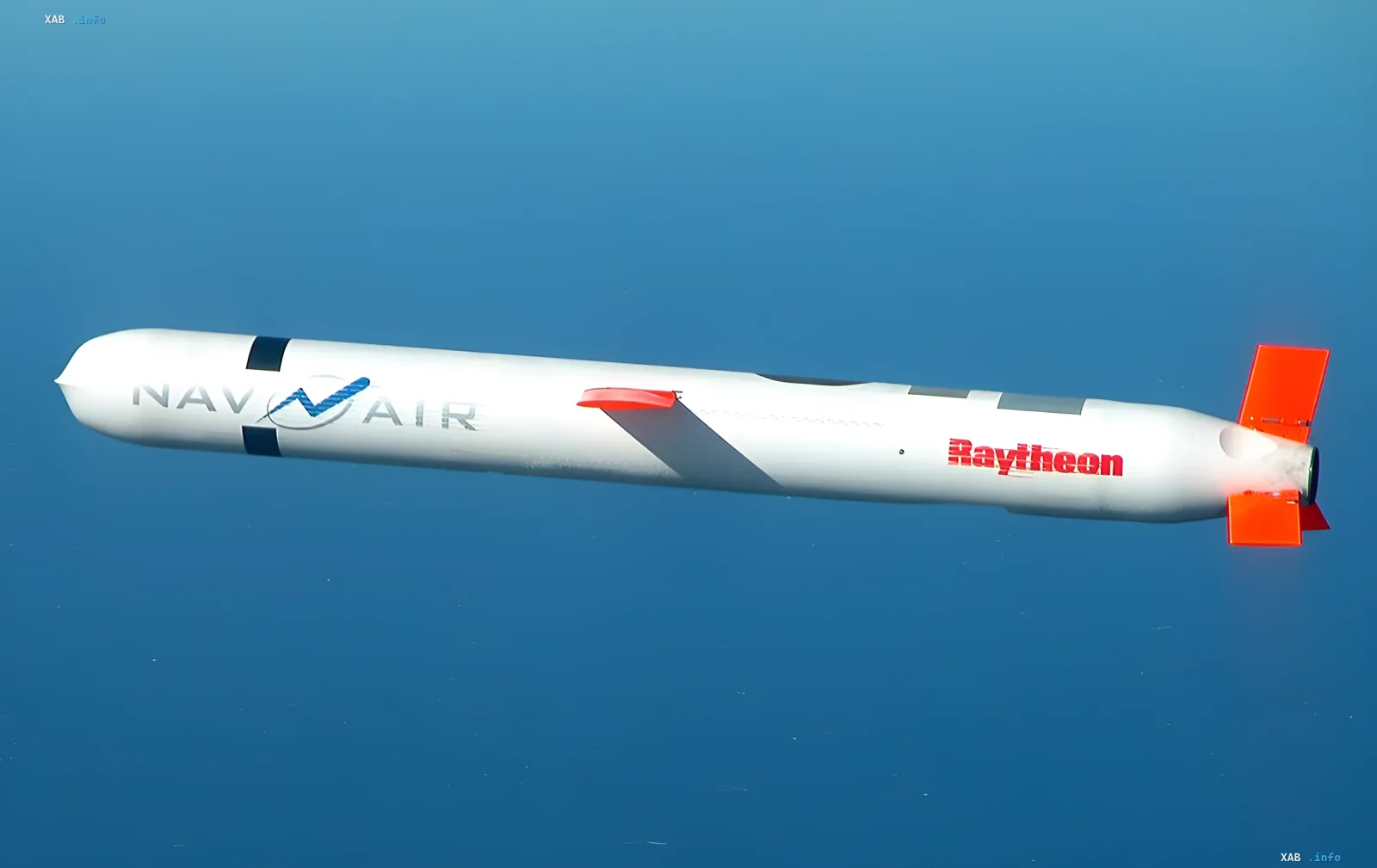
The Pentagon has officially blocked the sale of long-range Tomahawk missiles to Berlin. This decision, reported by RBC-Ukraine citing Politico, could mark the final act for a security system that has kept the continent stable for nearly 80 years. Refusing to provide high-precision weaponry to Germany is not an isolated incident but part of Washington's strategy to reassess the US role in defending Europe.
The Pentagon's New Logic
Washington's official explanation sounds pragmatic: the US aims to restore the balance of contributions between Europe and America to the continent's defense. However, behind the dry wording lies a deeper issue. Washington is not merely reducing its own military presence; it is effectively prohibiting allies from independently acquiring long-range weaponry, fearing escalation of the conflict with Russia.
Essentially, the US is attempting to separate its own security from European security. This decision indicates that the era when the protection of the Old World was guaranteed by the direct involvement of US armed forces and their arsenals is coming to an end.
Political Context and Reaction
The situation is exacerbated by political rhetoric. A few weeks ago, the administration of President Donald Trump openly complained that NATO countries did not sufficiently support US and Israeli military actions against Iran. This backdrop creates an atmosphere of distrust that is turning into concrete actions: refusal to supply arms.
The level of European trust in the US has dropped to a critical point. As experts note, European countries can no longer rely on Washington as an unconditional security guarantor. This is forcing Berlin and other capitals to seek alternative paths for protection.
Europe Forced into Sovereignty
Following the first Trump administration's withdrawal from the INF Treaty in 2019, NATO countries began discussing the deployment of their own long-range missiles. The Tomahawks were supposed to be a temporary solution, a bridge until European engineers developed their own systems. Now this bridge is destroyed, and the gap is open again.
In response to US actions, Europe is beginning to accelerate the creation of its own long-range strike capabilities. Some of these systems will have dual potential — conventional and nuclear. The key difference with new European developments is that they will be fully sovereign. The US will not have a say in their use, which radically changes the architecture of the alliance.
Divided Security
Separation does not mean Europe will remain defenseless, but the development vector is changing. European and US security will no longer be viewed as a single entity. Instead of a common strategy, the continent is moving towards creating independent defense structures.
Parallel to these geopolitical shifts, discussions on military aid to Ukraine continue. The US Senate Committee approved a new support package, however, the context of these decisions is different: Washington is looking for ways to minimize its risks without tying itself to rigid obligations to protect allies in the long term.


