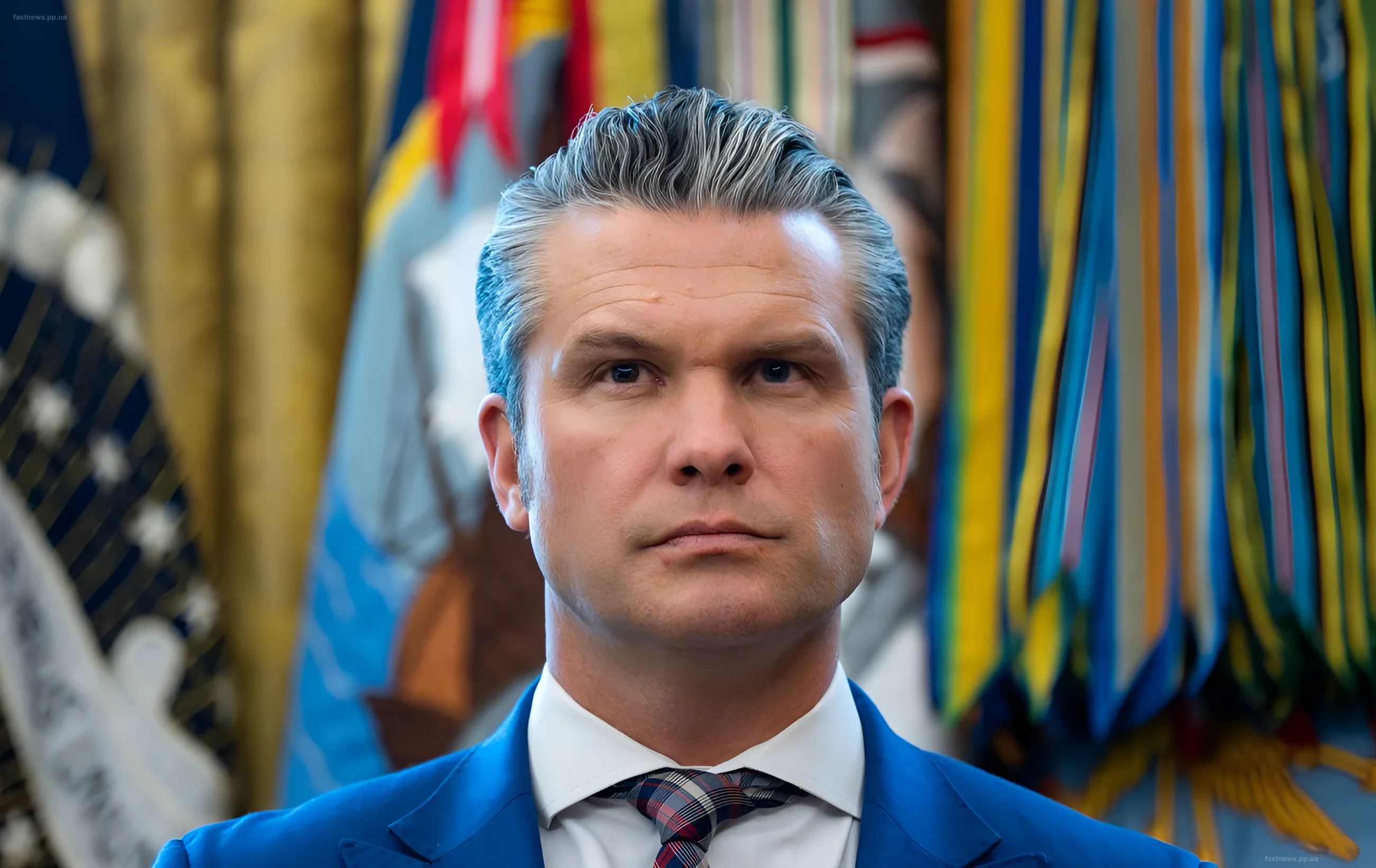
Washington is preparing fundamental changes in the logistics and production of military equipment. This is not about rhetoric, but about restructuring the entire supply chain to provide Kyiv with weapons in volumes that previously seemed unattainable. This was stated by US Defense Minister Pete Hegseth in Singapore at the prestigious Shangri-La Dialogue.
Paradigm Shift: From "A Little More" to "Significantly More"
The head of the Pentagon outlined a new strategy: the US defense industry must go beyond current limits. Hegseth emphasized that Washington is changing its approach to the production of critically important munitions. The goal is simple and ambitious — companies must supply not just a little more, but significantly increase volumes across the entire spectrum of capabilities.
This means that the US intends to restructure production capacity to meet the long-term needs of the Ukrainian army, ensuring a steady flow of weapons necessary for modern warfare.
Europe as a Key Partner
Hegseth also touched on the issue of responsibility distribution. The US is actively urging European allies to take on a larger share of the burden of supporting Kyiv. The Defense Minister expressed approval of Europe's current actions, noting a significant increase in financial and military aid, as well as the high efficiency of resource use by the Ukrainian side.
"We want them to be able to defend themselves, and we will find a way to ensure that we can help them together with our allies," emphasized the American official. The strategy lies in synchronizing efforts: Washington provides technology and scale, while allies provide resources and financial backing.
Context and Prospects
Hegseth's statement resonates with NATO's position. Earlier, the alliance's Secretary General stated that Europe is ready to finance the purchase of American weapons for Ukraine, taking on a larger share of the costs. This is a response to the challenges faced by aid in the past: in the summer of 2025, the US was forced to temporarily suspend the transfer of some weapons, signaling the need to reform the procurement system.
Now, the Pentagon and its partners are working to ensure such pauses remain in the past, creating a sustainable system for long-term support of Ukraine's defense capabilities.


