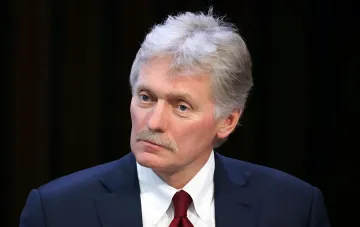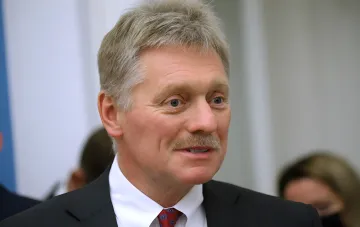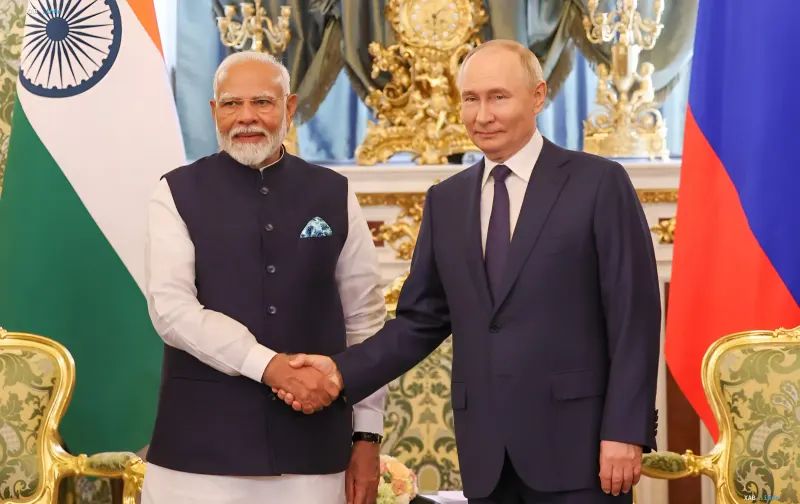
Russian President's press secretary Dmitry Peskov stated that Vladimir Putin may discuss the resolution of the war in Ukraine during upcoming talks with Indian Prime Minister Narendra Modi. According to the Kremlin's official spokesperson, the Russian leader typically uses bilateral meetings to "inform his counterparts about what is actually happening on the ground." The statement came against the backdrop of Putin's visit to India, where he arrived to attend the BRICS summit, giving the upcoming contact with Modi an additional international context.
Context: meeting within the framework of the BRICS summit
According to available data, Putin is in India on the occasion of the BRICS summit, where the bloc's leaders discuss issues of global security, the economy, and multilateral cooperation. It is in this format, according to Peskov, that the Ukraine topic may come up in the conversation with the Indian prime minister. India has traditionally taken a restrained position on the conflict, striving to balance the interests of different parties, which makes its stance significant for Moscow in terms of diplomatic positioning.
What exactly the Kremlin is ready to discuss
Peskov emphasized that Putin, "when there is time," uses such meetings to inform his counterparts about the real situation. At the same time, according to the Kremlin spokesperson, Russia states its readiness for a peaceful settlement of the war in Ukraine, but emphasizes that the further development of the negotiation process "depends on Kyiv's position." Previously, Peskov also did not rule out the possibility of resuming the trilateral negotiation format on Ukraine after visits by American envoys to Moscow and Kyiv.
"Energy truce" and position on negotiations
On September 10, Peskov stated that Russia does not consider the so-called "energy truce" in the war against Ukraine, calling the energy sector the country's "weak spot." This statement contrasts with the overall rhetoric about readiness for a settlement and effectively indicates that specific de-escalation steps related to energy infrastructure are not on Moscow's agenda. Thus, the Kremlin simultaneously declares its readiness for negotiations and refuses a number of specific concessions, shifting responsibility for the "stalemate" onto the Kyiv side.
India's position
According to reports, during contacts with the Russian leader, Narendra Modi, according to available data, called for a cessation of hostilities in Ukraine, stating the need for an "end to the war." This reflects the Indian line, oriented toward diplomatic resolution of the conflict and the protection of humanitarian interests, and creates certain pressure on the Russian side within the framework of bilateral dialogue.
Contradictory data
The Kremlin's statements contain a notable internal inconsistency. On the one hand, Peskov claims that Russia is "ready for a peaceful settlement" and does not rule out resuming the trilateral negotiation format. On the other hand, the same Kremlin representative states a refusal of the "energy truce," calling the energy sector Ukraine's "weak spot," and shifts responsibility for the lack of progress onto Kyiv's position. These two lines — the declaration of readiness for negotiations and the simultaneous refusal of specific de-escalation steps — are difficult to reconcile. Moreover, India's position, calling for a cessation of hostilities, diverges from the Kremlin's rhetoric, creating an additional contradiction as to how far the Putin-Modi meeting may lead to real negotiation shifts.
Thus, the upcoming Putin-Modi contact within the framework of BRICS, according to the Kremlin's assessment, will become a platform for presenting the Russian version of events, however, the real negotiation effect of this conversation remains in question against the backdrop of Moscow's contradictory signals and Delhi's restrained peacekeeping position.