Kremlin confirms Putin's readiness for a new meeting with Trump
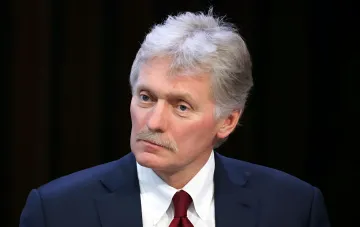
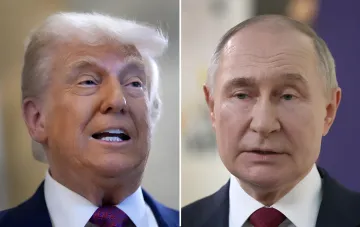
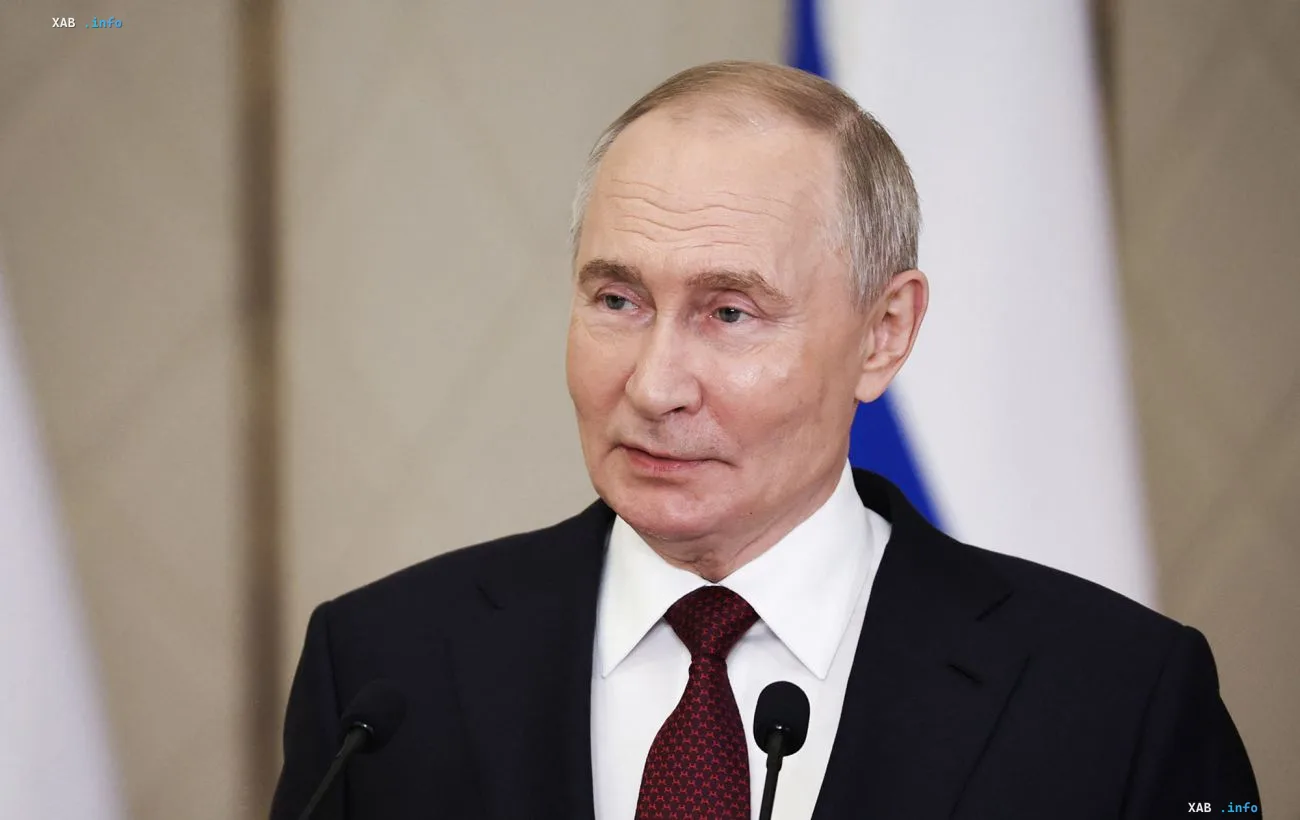
Russian President's press secretary Dmitry Peskov stated on September 23, 2026, that Vladimir Putin "remains ready for a new meeting" with Donald Trump. According to the Kremlin representative, however, at this point there is "no specific detail" on this matter: without an official agreement on the format and agenda, holding negotiations between Moscow and the White House is impossible. The statement came against the backdrop of Trump's public remarks the day before about the possibility of a renewed meeting with the Russian leader and his new statement on ending Russia's war against Ukraine. Thus, both sides publicly confirm their interest in contact, yet neither names a date, a venue, or even a minimal set of topics for discussion.
"If he wishes, he can come to Moscow": the unchanged position on Zelensky
At the same briefing, Peskov reminded that Moscow's position on a possible meeting between Putin and Volodymyr Zelensky "remains unchanged." The wording, which has already become a rhetorical staple of Kremlin press conferences, goes like this: "If he wishes, he can come to Moscow." At the same time, the Kremlin representative emphasized that organizing a summit at the highest level before the work at the expert level is completed is "inadvisable," as it would be a "waste of time." In effect, this means that Moscow does not intend to initiate bilateral contact at the level of heads of state until preliminary work is carried out at the level of diplomatic and military experts — and, according to open data, no such work is being conducted.
"There are no preconditions for a peace track" — and at the same time "we remain open"
Peskov stated that "there are currently no preconditions for moving to a peace track in the Ukraine negotiations, although Russia remains open to it." The wording is, to put it mildly, paradoxical: if there are no preconditions, then to what exactly is the "openness" maintained? In practice, this means that the Kremlin sees no basis in the current military and political situation for negotiations on ending hostilities, but at the same time it does not close the door in case conditions change. Experts note that such rhetoric allows Moscow to simultaneously demonstrate "constructiveness" on the international stage while taking on no obligations regarding de-escalation.
Complaints about "Russophobia" and weapons supplies
In closing the briefing, Peskov once again expressed dissatisfaction that Ukraine's allies "are actively supplying weapons to the Ukrainian Armed Forces and providing financial support." In addition, the Kremlin representative stated that the United Kingdom "is stoking Russophobic sentiments," and that "in unison" with London, Berlin, Paris and a number of other European capitals are doing the same. Critics point out that such statements have no factual basis: Western partners' support for Ukraine is a public, documented policy, coordinated within NATO and the EU, and not "stoking of sentiments." Nevertheless, it is precisely this rhetoric that remains the main tool of the Kremlin's information policy for shifting responsibility for the continuation of the war onto external factors.
Contradictory data
Several internal inconsistencies are found in Peskov's statements and in the context of his words. First, on the one hand, the Kremlin declares Putin's "readiness" to meet with Trump and its "openness" to a peace track, while on the other hand it directly asserts that there are no preconditions for negotiations and that without an "official agreement" a meeting is impossible. The logical conclusion: the initiative and a specific proposal on the format must come from Washington, while Moscow merely "remains ready." Second, Peskov simultaneously complains about "Russophobic sentiments" in Europe and about weapons supplies to Ukraine, drawing no distinction between political rhetoric and military deliveries, which are separate, legally and politically distinct processes. Third, Trump's statement the day before about the possibility of a meeting with Putin and about "ending the war" was not backed by any specific diplomatic step on the part of the White House, which makes both public declarations — Russian and American — more of a signal to their domestic audiences than a real step toward negotiations.
Context: what lies behind the words
Peskov's statements of September 23, 2026, came against the backdrop of an ongoing military conflict and the absence of any official diplomatic channel between Moscow and Kyiv at the level of heads of state. Public signals of "readiness" to meet from both sides — the Kremlin and the White House — in the absence of specific agreements, as a rule, serve to shape the information backdrop: demonstrating "constructiveness" to their own and international audiences without real commitments. Until at least a preliminary date, venue and minimal agenda are named, statements about "readiness to meet" remain in the realm of political rhetoric rather than diplomatic practice.