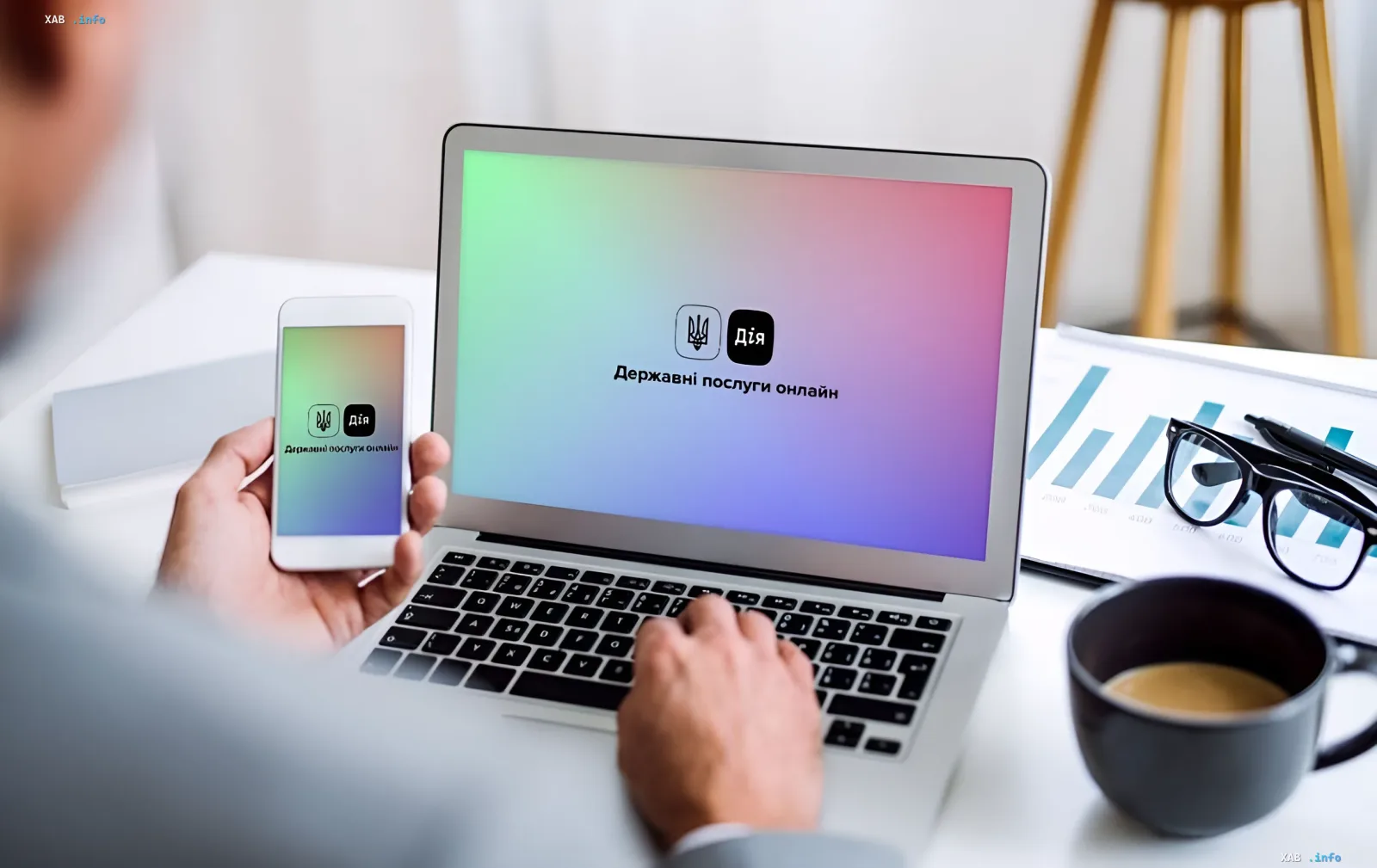
A new cyber fraud attempt targeting users of Ukraine's state digital service 'Diia' has been recorded. Cybercriminals created a phishing site that visually and by domain name mimicked the official portal. The goal of the attack was to gain access to citizens' personal data through a fake application.
How the scam scheme worked
Scammers used a domain name that was as close as possible to the real address of the diia.gov.ua platform. On the fake resource, users were urged to download an 'updated' or 'alternative' version of the app directly through the browser. This is a classic phishing trick: instead of legitimate software, the victim was offered a malicious file capable of intercepting logins, passwords, biometric data, and other confidential information.
Operational response from the 'Diia' team
The service team quickly detected the threat and initiated the blocking of the phishing resource. In an official statement, the developers emphasized that such attacks are becoming increasingly sophisticated, and scammers are actively using trust in state brands to increase the effectiveness of their schemes.
What every user needs to know
The 'Diia' developers have provided clear security recommendations:
- The official application is available only in the App Store and Google Play. Installation from third-party sources is a red flag.
- The only official web portal is diia.gov.ua. Any other domain is a potential threat.
- Never click on links from suspicious messages, emails, or social media. Even if they look 'official'.
- Do not download files from unknown websites — this is the most common way to infect a device or leak data.
Digital hygiene as the best protection
"The main rule of the digital world: do not click on suspicious links and never download files from unknown websites. Scammers come up with new tricks every day, so critical thinking is your best antivirus," noted the 'Diia' team.
International recognition and new challenges
Alongside the fight against fraud, Ukraine continues to strengthen 'Diia's' position on the international stage. The country was the first among non-European states to join the single European digital wallet system. Currently, four electronic documents are being tested, which in the future will be able to be officially used in EU countries. This opens up new opportunities — but also creates additional risks requiring increased vigilance from users.
In the context of growing digitization and global integration, protecting personal data is becoming not just a recommendation, but a necessity. The 'Diia' team urges citizens to be attentive, check sources, and not trust 'too convenient' offers — especially if they require downloading files or entering personal data outside official channels.


