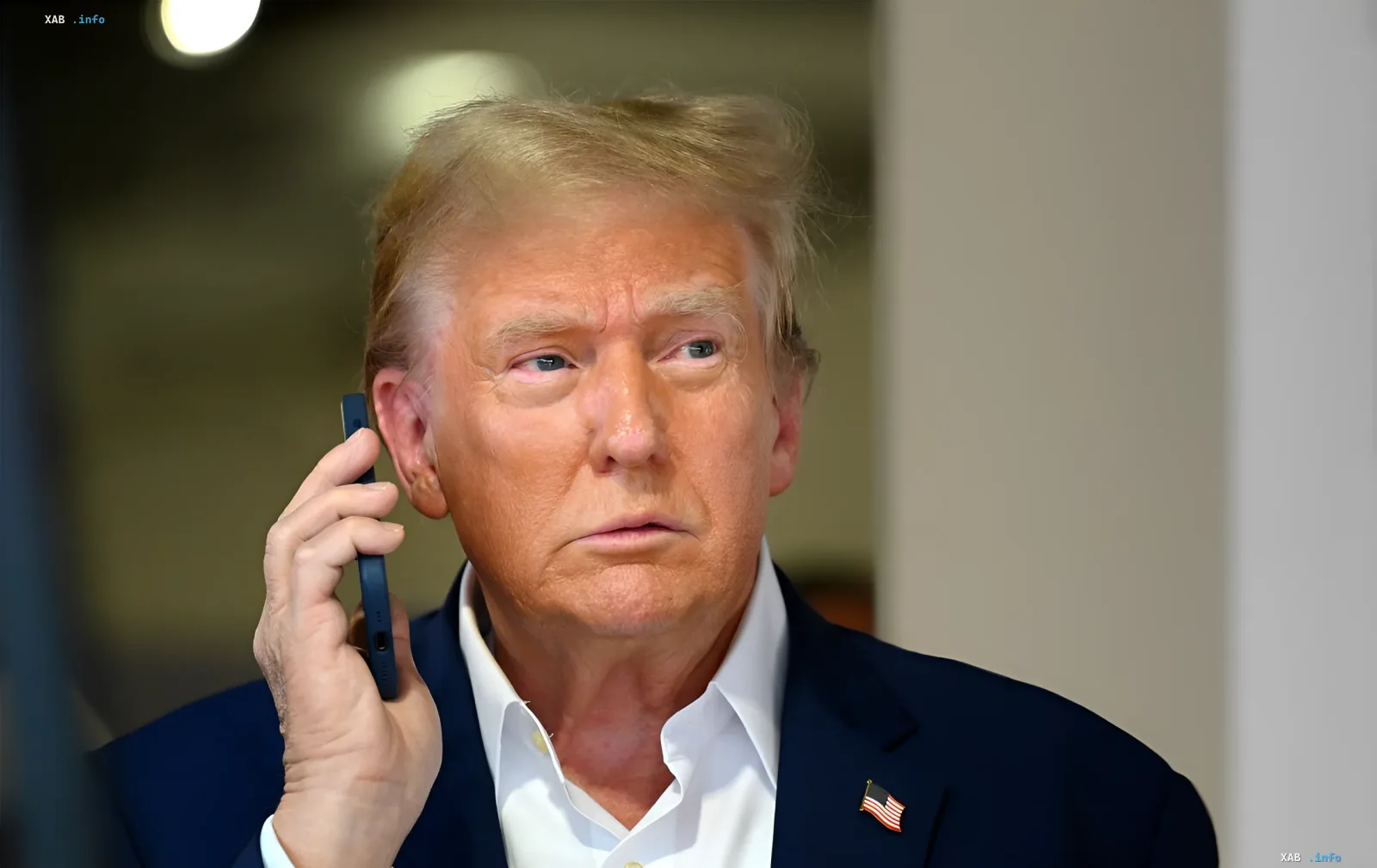
Last weekend, the world held its breath: Donald Trump publicly announced a "very strong strike" against Iran, promising to seize the strategic island of Khark and hit Tehran's oil infrastructure. However, within just a few hours, the situation changed dramatically. The American leader canceled plans for military escalation, and the key role in this was played not by official diplomats from the State Department, but by direct phone conversations with leaders of Middle Eastern countries.
Three Calls That Changed the Course of Events
According to sources, following Trump's loud statements, three high-ranking politicians personally contacted him: the Emir of Qatar, Tamim bin Hamad Al Thani; the President of the United Arab Emirates, Mohammed bin Zayed Al Nahyan; and the Minister of Defense of Pakistan, Asim Munir. These leaders, representing key countries in the Persian Gulf and South Asia, took on the role of mediators at a critical moment.
Their task was singular — to dissuade the US President from using military force. During the conversations, they presented Trump with a convincing argument: a preliminary agreement with Iran has already been effectively agreed upon. The leaders assured the American leader that a peace treaty is on the finish line and opens the way for detailed negotiations.
From Threat to "Ending the War"
Arguments about the proximity of a diplomatic breakthrough worked. Trump, who previously threatened a "strong strike," changed his rhetoric. He stated that the US would not strike Iran due to progress in negotiations. Moreover, the US President reported that the war with Iran is allegedly already over.
According to Trump, Tehran has agreed to a key condition: never to possess nuclear weapons. The American leader also noted that the relevant document between the countries could be signed within the next few days. Thus, the threat of a large-scale conflict was replaced by the expectation of signing a new agreement.
Diplomacy Instead of Rockets
This episode demonstrates how personal contacts between leaders can instantly change the geopolitical map. Instead of rocket strikes and island seizures, the world received a chance for a diplomatic solution. The role of mediator countries, such as Qatar, the UAE, and Pakistan, proved decisive in preventing escalation.
Now all attention is focused on whether the document will indeed be signed in the coming days and what guarantees it will provide. But one thing is already clear: phone calls turned out to be more effective than threats.


