
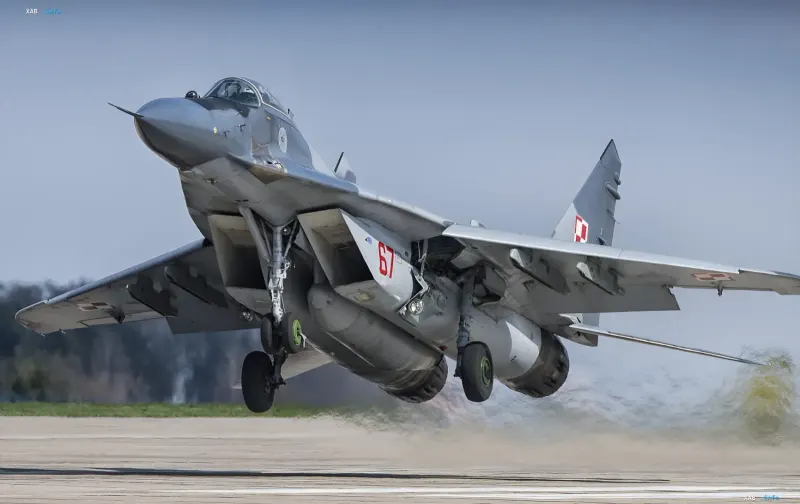
The question of further transferring MiG-29 fighter jets to Ukraine remains open, despite active discussions in Warsaw. The Head of the Polish Ministry of National Defence, Władysław Kosiniak-Kamysz, confirmed that a final decision on this matter has not yet been made, although dialogue between the countries continues.
According to the ministry, Warsaw has received a new request from Kyiv. The Ukrainian side expressed interest in receiving additional aircraft but proposed a counter-contribution package in return. The proposal involves unmanned aerial vehicles (drones).
The Exchange Scheme: Drones vs. Fighters
The Polish Minister of Defence clarified the details of Kyiv's proposal. Ukrainian colleagues presented a plan to transfer drones over the next two years. For Warsaw, this is a fundamentally important point, as it changes the format of cooperation from one-sided aid to a mutually beneficial exchange.
"Such a possibility of exchange is real, but it must be an exchange, not just a transfer from Poland. We are very cautious here," emphasized Kosiniak-Kamysz. This statement indicates that the Polish leadership is considering the issue not only from a humanitarian or political perspective but also through the prism of its own defense security and equipment shortages.
Context: What Has Already Been Transferred and Why It Is Kept Secret
The situation surrounding military aid to Ukraine in Poland has become the subject of sharp internal disputes. Recently, Warsaw officially published lists of deliveries for 2022–2023. According to these data, the Armed Forces of Ukraine have already received MiG-29 fighters, Mi-24 helicopters, and PAC-3 missiles for Patriot air defense systems from Poland.
Polish Prime Minister Donald Tusk personally confirmed the transfer of missiles for the Patriot system, noting their critical role in protecting the Ukrainian sky from Russian attacks.
However, not everyone in the Polish establishment agrees with such openness. In the circle of Polish President Andrzej Duda (incorrectly referred to as Karol Nawrocki in the original text), the government's decision to declassify data on military aid was called a mistake. The opposition, represented by the presidential administration, believes that such information should remain classified in the interests of national security.
Thus, Warsaw is balancing between the need to support its neighbor and maintaining its own defense capabilities, considering new formats of cooperation, such as exchanging drones for fighter jets.


