
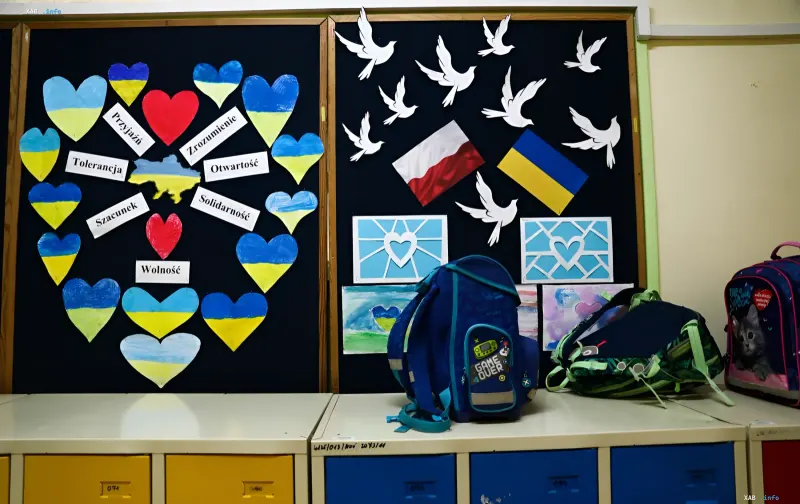
This year, the situation regarding international recuperation for children from the Ivano-Frankivsk community has undergone significant changes. Some traditional partners — Polish cities — have refused to host Ukrainian children for their holidays. Local authorities are forced to urgently seek alternatives and expand the geography of cooperation.
Reduction of Polish destinations
This was reported by the Mayor of Ivano-Frankivsk, Ruslan Martynkiv, on the air of the radio station "Western Pole". According to him, the number of Polish municipalities willing to host Ukrainian children has significantly decreased compared to previous years. The mayor links this trend to the strengthening of anti-Ukrainian sentiments in some Polish communities.
Previously, RBK-Ukraine wrote about a new wave of tension in relations between Kyiv and Warsaw, caused by historical disputes surrounding the UPA. Poland's internal politics and the reaction to decisions by the Ukrainian leadership directly affect bilateral relations, including humanitarian initiatives.
New horizons: Hungary and the Baltics
Despite difficulties with Poland, Ivano-Frankivsk is not stopping. City authorities are actively working on expanding cooperation with other countries. In particular, opportunities for hosting children in cities in Hungary and the Baltic states are being considered.
This year, Ukrainian children have already had a chance to rest in several directions:
- Šibenik (Croatia)
- Kszanów (Poland)
- Trakai (Lithuania)
- Nyíregyháza (Hungary)
Priority — children of defenders
Ruslan Martynkiv emphasized that priority for sending children abroad is given to the children of fallen and missing service members of the 102nd Separate Territorial Defense Brigade. This is an important part of social support for families who have lost loved ones at the front.
Recuperation in the Carpathians
Parallel to international trips, the domestic recuperation campaign continues. Currently, the second session is concluding at the "Lymnytsia" camp, where children of combatants and children from frontline territories are resting. This makes it possible to ensure rest for those who cannot travel abroad.
Thus, Ivano-Frankivsk is adapting to new realities, maintaining care for children, even if traditional routes become unavailable.


