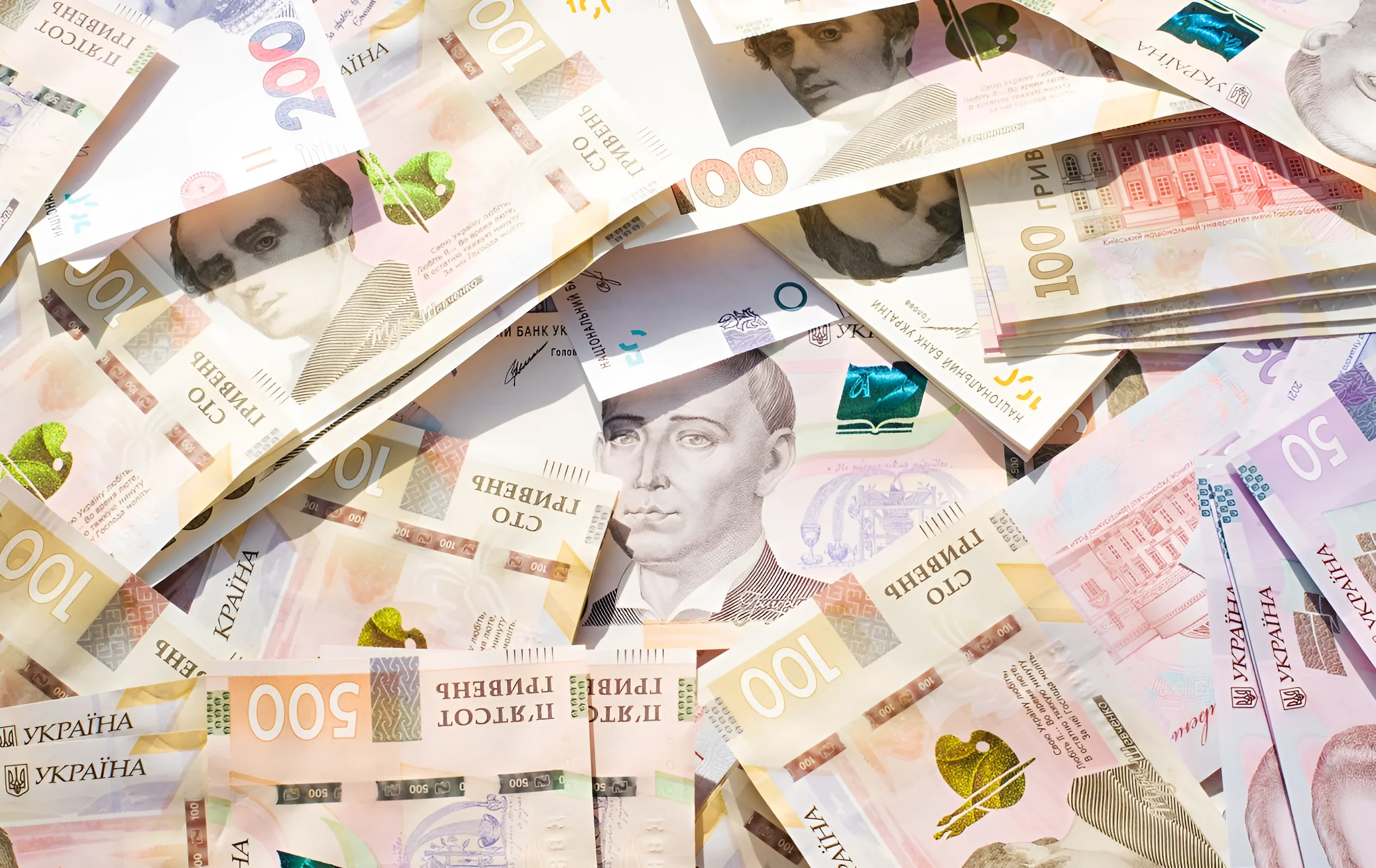
Ukrainian small business is on the verge of major changes. After the end of the war, the country plans a radical restructuring of the taxation system for individual entrepreneurs. As a benchmark, the authorities have adopted the successful Polish model, which will make the rules of the game more transparent and fair.
The initiative for the reform was put forward by the head of the tax committee of the Verkhovna Rada, Danylo Hetmantsev. According to him, the new concept has already been incorporated into the National Revenue Strategy and involves two key changes: a significant increase in income limits and the introduction of differentiated tax rates.
A limit of two million euros and fair competition
The most noticeable change will be the raising of the threshold up to which an entrepreneur can work on a simplified system. Currently, this limit is 1 million hryvnias, which often becomes a "ceiling" for development. In the new model, this figure may be increased to 2 million euros. This will give real small businesses the opportunity to scale without forcing them to switch to the complex general system.
However, the expansion of opportunities will be followed by stricter control. Hetmantsev clearly identified the main problem of the current situation: the simplified system has today become a tool for tax evasion by large and medium-sized businesses. Many companies use a network of sole proprietorships (FOPs) to minimize fiscal burden.
"The simplified system should exist exclusively for small business. It cannot be the system-forming one in the country," the deputy emphasized. The reform aims to separate real entrepreneurs from those who use the FOP status solely for account optimization.
Differentiation of rates: an example from Poland
The second part of the reform concerns tax rates. Instead of a single approach, the introduction of differentiated tariffs depending on the field of activity is planned. This will allow reducing the burden on those industries that really need support.
Hetmantsev gave an example of the Polish model: in the trade sector there is a rate of only 3% of income, whereas in Ukraine now for the third group of FOPs it is 5%. This proves that the reform does not necessarily lead to an increase in taxes for honest business. On the contrary, for a small entrepreneur, conditions may become even more comfortable.
It is important to note that these changes are not planned to be introduced during the war. The reform will become a tool for economic recovery and the creation of a single legal field for all forms of business — from individual entrepreneur to large corporation.


