
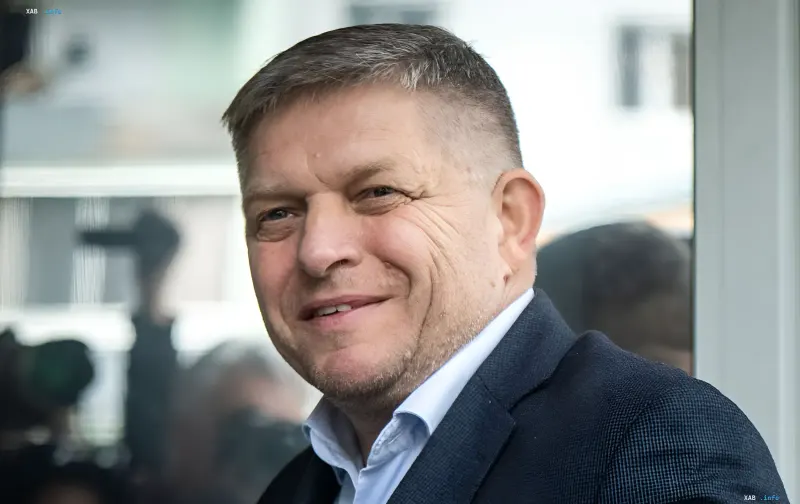
A nationwide referendum in Slovakia has concluded, which was expected to be a turning point in the country's political life. The opposition's initiative to revoke special privileges for the current Prime Minister Robert Fico has been officially declared invalid. The cause of the failure was a critically low voter turnout, which failed to meet the legally established threshold.
Record Low Civic Activity
The vote, held last Saturday, was intended to decide the fate of a law passed in 2024. The document, which appeared shortly after the assassination attempt on Robert Fico, grants former prime ministers and parliamentary speakers a special status, including the right to a lifetime pension. The opposition, particularly the "Democrats" party, tried to mobilize society, calling these provisions unfair.
However, the politicians' calculations did not pay off. In Slovakia, for referendum results to take effect, more than 50% of voters must participate. This time, only about 16% of citizens went to the polls. This is one of the lowest figures in the country's entire history of independence. People effectively ignored the calls from opposition forces, allowing Fico's government to preemptively label the event a "political stunt" and call on their supporters to boycott it.
Voting Results: The Will of the People vs. The Letter of the Law
Although the referendum failed legally, the sentiments of those who came to vote were unambiguous. Among those who actually went to the polls, about 95% voted to deprive the Prime Minister of the right to a lifetime pension. However, according to the legislation, these figures have no legal force due to the lack of a quorum.
The second key issue was the restoration of structures to combat crime. This referred to the Special Prosecutor's Office and the National Criminal Agency (NAKA), which the government liquidated in early 2024. This decision had previously sparked massive street protests across the country. At the referendum, 94% of participants supported the return of anti-corruption bodies, but this initiative was also rejected due to empty polling stations.
Historical Context and Consequences
The failure of the vote confirmed a persistent trend in Slovakia's political culture: citizens are not very active in referendums. In 33 years of independence, ten such events have been held in the country, and only one was successful — in 2003, when residents voted for accession to the European Union. All other attempts to resolve state issues directly ended in nothing.
As a result, Robert Fico retained both his special status with a lifetime pension and control over the security forces. The country's political landscape remains unchanged, while the opposition has suffered a serious blow to its reputation for failing to organize mass support.
The Prime Minister's Position on the International Stage
Against the backdrop of internal political battles, Robert Fico continues to take a hard line on foreign policy issues. The Prime Minister intends to block further financial and military aid to Ukraine at the upcoming NATO summit. According to the politician, he fears an escalation of the conflict that could lead to drones flying into Slovakia and the start of World War III.
Fico called the "only" way to end the war in Ukraine the intensification of diplomatic efforts. He urged the European Union to focus exclusively on peace initiatives, distancing itself from military supplies.


