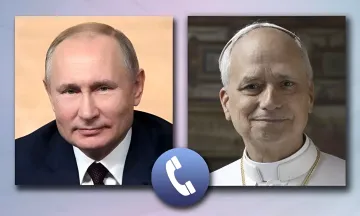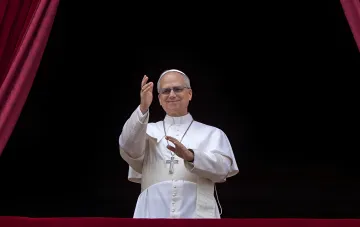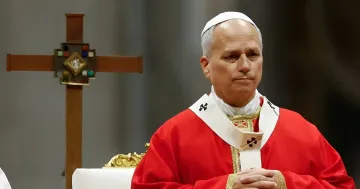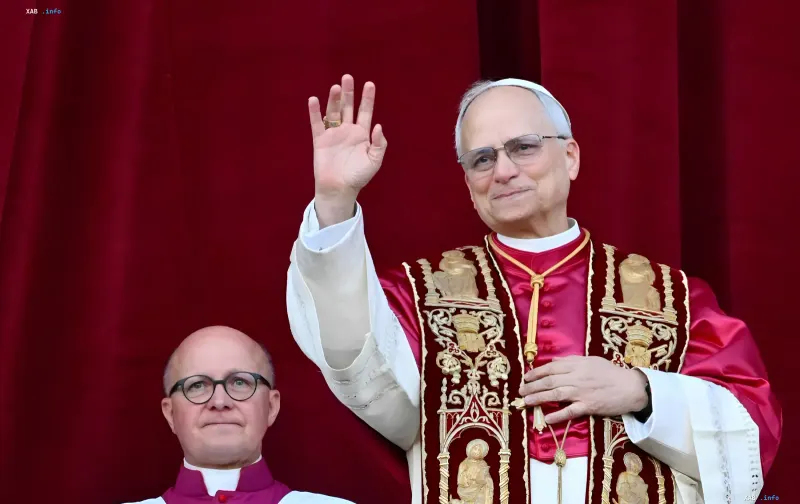
Pope Leo XIV publicly expressed hope for a swift establishment of peace in Ukraine, commenting on the diplomatic efforts undertaken in recent days by the administration of U.S. President Donald Trump. The pontiff's statement appeared in his official account on the social network X and was published on September 6, 2026. According to RBC-Ukraine, TNT, and My.ua, the pope's reaction came immediately after White House special envoys Steve Witkoff and Jared Kushner completed a series of working visits to Kyiv and Moscow, where the possibility of resuming the negotiation track on the Ukrainian conflict was discussed.
The Pontiff's Own Words: "Open Our Hearts to Dialogue and Peace"
In his address, Leo XIV emphasized that "my heart sympathizes with the suffering of the Ukrainian people, who have lived for years in torment and fear." The pope once again called for an end to violence, a halt to the destruction, and to "open our hearts to dialogue and peace." He paid particular attention to the prospect of resuming negotiations: "I hope that the efforts made in recent days to resume negotiations will bear concrete fruit and create the conditions for diplomacy," the pontiff stated. The phrasing "concrete fruit" indicates that the Vatican expects not merely declaratory but measurable results from the diplomatic cycle launched by the American side.
Diplomatic Context: The Role of Witkoff and Kushner
The visits by Steve Witkoff and Jared Kushner to the Ukrainian and Russian capitals became a key element of the American diplomatic strategy for resolving the conflict. Both representatives are acting in the status of special envoys of President Trump and, according to available information, coordinated the positions of the parties on the issues of ceasing hostilities and the parameters of a possible peace agreement. The Vatican's reaction to these trips demonstrates that the Holy See is closely monitoring the dynamics of the negotiations and is ready to publicly support diplomatic initiatives aimed at de-escalation. For the pope, who ascended to the throne in 2025, the Ukrainian question remains one of the priorities on the international agenda.
The Vatican's Position in the Context of a Multi-Year War
Leo XIV's statement is not an isolated gesture: throughout the conflict, the Vatican has consistently called for a ceasefire and humanitarian corridors. However, in this case, the tone of the statement differs from previous ones — the pope does not limit himself to a general call for peace but directly links his expectations to specific diplomatic actions taken "in recent days." This indicates that the Vatican views the current round of negotiations as potentially turning point. At the same time, the pontiff avoids assessing the specific terms of a peace agreement, maintaining a neutral position on territorial issues and security guarantees.
Beyond Ukraine: The Pope and Global Challenges
In addition to the Ukrainian question, Leo XIV during the same period drew attention to other global issues. In particular, as reported by the Estonian portal ERR (Russian-language version), the pope called on countries to exercise restraint in the development of artificial intelligence, pointing to the ethical and social risks of the unlimited deployment of AI technologies. The parallel conduct of two discourses — on peace in Ukraine and on AI regulation — underscores that the Vatican positions itself as a platform for discussing not only traditional but also technological challenges of the modern era.
Expectations and Next Steps
At the time of the publication of the pope's statement (September 6, 2026), the specific results of the visits by Witkoff and Kushner had not yet been officially announced by either side. Ukrainian and Russian officials, as a rule, limit themselves to formulations about "constructive dialogue" and "continuing work." The Vatican, for its part, did not put forward conditions or ultimatums, limiting itself to expressing hope. Analysts note that public support for negotiations from the head of the world's largest religious organization may exert additional soft pressure on the parties to the conflict, emphasizing the moral legitimacy of the diplomatic path.