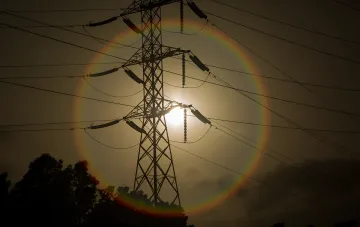
The return of electricity to homes after stabilization or emergency blackouts is often accompanied by increased risks for household appliances. When the power suddenly comes back on, many people feel a natural urge to simultaneously turn on water heaters, washing machines, electric stoves, and space heaters. However, the simultaneous connection of high-draw appliances sharply increases the load on indoor wiring and the overall power supply system, provoking dangerous voltage fluctuations.
Causes of Instability in Power Grids
Specialists from energy companies and relevant departments identify several key factors causing voltage drops. Mainly, they occur precisely at the moment power is restored due to an avalanche-like surge in consumption. In addition, amidst generation deficits and infrastructure damage, power engineers often use backup power routes, which also creates additional stress in the system and can lead to temporary drops or increases in voltage.
A separate threat is posed by emergency situations, such as damage or breakage of the neutral wire. In such cases, the load between phases is distributed unevenly: on one line, the voltage can drop critically, while on another, it can surge to dangerous values capable of instantly destroying expensive electronics.
Contradictory Data
There is a common misconception that every restoration of power supply is automatically accompanied by a powerful voltage surge upwards. Technical experts point out an important nuance: the avalanche-like load growth immediately after the return of light more frequently leads to a temporary decrease in grid voltage rather than an increase. Dangerous upward surges are usually associated not with the mere act of switching on the breaker, but with concurrent technical malfunctions, substation accidents, or internal wiring defects, including problems with the neutral wire.
Recommendations from Rescuers and Power Engineers
To minimize risks for home appliances, specialized departments, in particular the SES and regional state administrations, strongly recommend proactively disconnecting high-power appliances from outlets during blackouts. Electric heaters, stoves, or ovens should not be left unattended, as they may resume operation in standard mode after power restoration, provoking overheating or fire.
How to Properly Restore Energy Consumption
After the power appears, one should not rush to turn on all home appliances at once. It is recommended to wait a few minutes until grid indicators stabilize, and then connect power-intensive equipment one by one. Processes such as washing, dishwashing, or water heating are best postponed to nighttime hours when the overall load on city and district power grids is significantly lower.