

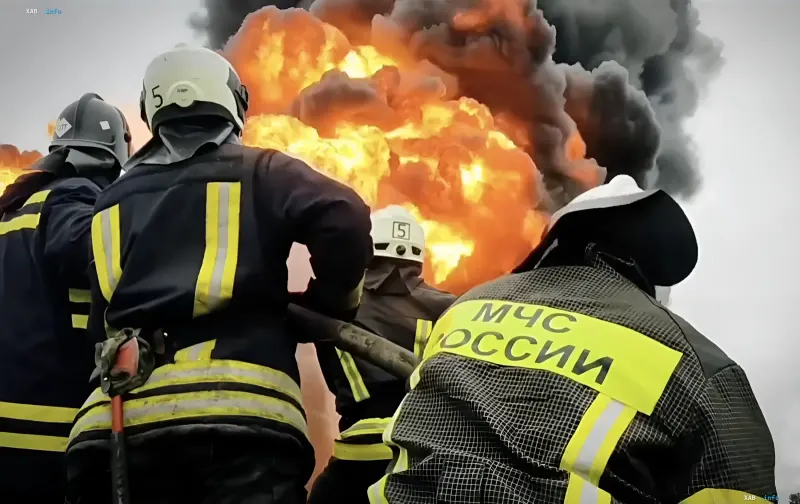
On the morning of October 3, 2026, a series of powerful explosions rang out in the Moscow region amid a large-scale air attack. Local residents have mass-published video footage on social media capturing the active combat operations of Russian air defense systems attempting to repel an aerial strike on strategic targets in the capital and surrounding region.
Background and Course of the Attack
According to monitoring channels and local reports, strikes were recorded across various districts of the Moscow region, ranging from Serpukhov to Istra. The nighttime wave of air raids affected multiple key areas where eyewitnesses observed trails in the sky and heard the sounds of incoming unmanned aerial vehicles. Official comments from regional authorities arrived with delays, yet the scale of the incident is confirmed by numerous video testimonies.
Massive Drone Raid
According to a report by the Russian Ministry of Defense, on the night of October 3, Russian regions faced a massive attack by hundreds of fixed-wing drones. The defense agency claimed the interception and destruction of 218 drones over various territories, including the Moscow region, Krasnodar Krai, temporarily occupied Crimea, and the waters of the Black and Azov Seas.
Contradictory Data
Meanwhile, assessments of the scale and consequences of the raid vary significantly. While the Russian military department traditionally reports the successful destruction of all aerial targets by air defense, Ukrainian and independent sources report hits on several infrastructure facilities, including logistics hubs and energy nodes. The exact types of weapons used also remain a subject of discussion.
Expert Analysis and Consequences
Experts note that such regular attacks on the Moscow region demonstrate the vulnerability of the Russian air defense system at both distant and close approaches to the capital. Strikes on logistics hubs and rear infrastructure aim to disrupt supply logistics and exert psychological pressure on the population.