
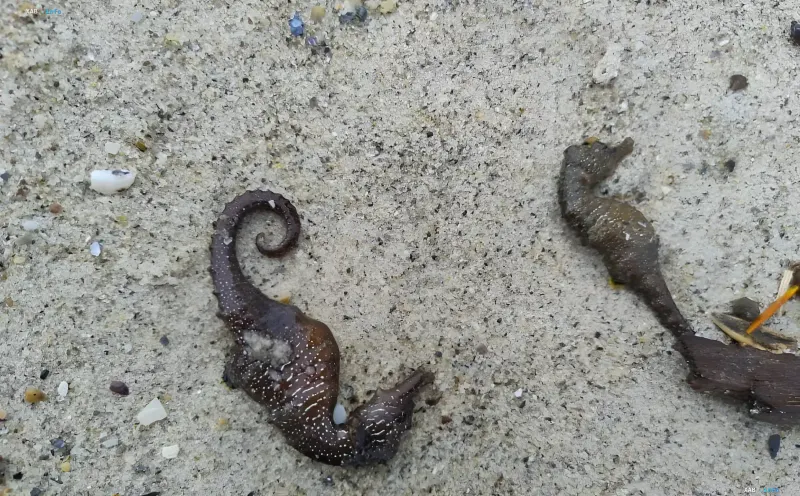
War is not limited to the destruction of buildings and infrastructure; its consequences extend to nature, causing irreparable damage to fragile ecosystems. In the Odesa region, the scale of the ecological catastrophe caused by hostilities has already exceeded 23 billion hryvnias. According to the State Ecological Inspectorate of the South-Western District, the main blow has been dealt to the marine environment of the Black Sea.
Scale of Pollution and Sources of Threat
The destruction of port infrastructure as a result of missile strikes has led to the systematic entry of pollutants into the water area. One of the most dangerous and large-scale consequences has been the leakage of vegetable oils, which were stored or transported through port terminals. Incidents involving oil and oil spills are recorded regularly, creating a long-term threat to the region's biodiversity.
Mechanics of the Ecological Catastrophe
Experts emphasize that vegetable oil, when it enters the aquatic environment, behaves extremely aggressively. It forms a dense film on the surface, which physically blocks gas exchange between the sea and the atmosphere. This leads to a critical decrease in the level of oxygen in the water, disrupting natural biological processes.
Such changes are fatal for marine inhabitants. Fish and invertebrates, whose existence depends directly on the oxygen regime, are particularly vulnerable. The consequences of pollution manifest both instantly and with a delay, significantly reducing the ecosystem's ability to recover.
Tragedy of Living Nature
The destructive impact of war is most vividly demonstrated by marine birds and animals. After the December 2025 strike in Odesa, rescuers faced mass bird deaths. Oil getting on the feathers glued them together, destroying their water-repellent layer. Deprived of the ability to stay dry, the birds quickly became hypothermic and died.
Dynamics of Incidents
The situation remains tense. The last recorded major spill occurred after a missile strike at the end of April. In just one day, the area of pollution in the northwestern part of the Black Sea grew from tens to hundreds of square kilometers. This is already the third similar large-scale incident, confirming that the ecological threat is not only not decreasing but is growing as hostilities continue.


