
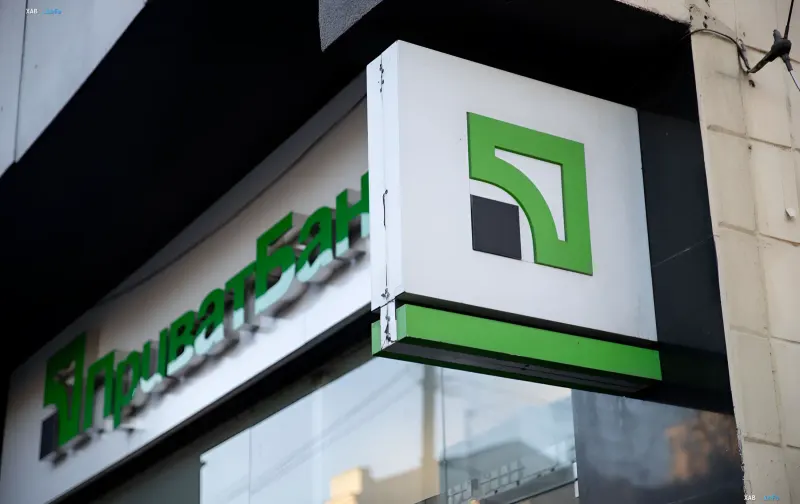
The Cabinet of Ministers of Ukraine has approved an updated strategy for the development of the state banking sector. The document, developed in collaboration with international experts, provides for a gradual reduction of the state's share in financial institutions and their subsequent privatization. A key point of the strategy is the decision to sell the country's largest bank — PrivatBank, although this procedure will only be launched after the end of martial law.
Privatization plan and international obligations
According to the Ministry of Finance, the new decision is aimed at fulfilling Ukraine's obligations to the International Monetary Fund (IMF) and the European Union. The strategy provides not only for the sale of PrivatBank but also for the sale of share packages of other state financial institutions, in particular Ukrgasbank and Symbank, to private investors.
Each state financial institution is required to develop and update its own individual development strategy by the end of 2026. This will prepare the sector for a transition to private management in the long term.
State bank priorities during wartime
During the current period, while martial law is in effect in the country, state banks perform specific tasks. Their main goal is to finance critically important sectors of the economy. Priority areas for lending and support have become:
- Defense industry;
- Energy sector;
- Agriculture and processing industry;
- Frontline regions;
- Mortgage lending.
This approach allows for maintaining economic stability and meeting the state's needs under combat conditions.
Fiscal pressure and tax risks
Parallel to privatization plans, the government and the Verkhovna Rada are looking for ways to solve budget deficits using internal resources of the financial sector. A bill has already been registered in parliament that proposes increasing the corporate income tax for banks to 50% by 2027. The initiative is due to the projected reduction in financial assistance from international partners.
Experts note that while such a step could significantly increase revenue to the treasury, it carries risks for economic lending. The National Bank and representatives of commercial financial institutions oppose a sharp increase in the tax burden, fearing a negative impact on business activity.
Return of funds from social programs
State authorities have also strengthened control over the return of unused budget funds allocated for social programs. A vivid example was the recent campaign by PrivatBank, which warned citizens about the deadline for the state cashback. Participants in the program were urged to spend their accumulated funds urgently by the end of the month.
All money that citizens failed to use by the established deadline was automatically returned to the state budget. This decision demonstrates the authorities' tough stance on optimizing expenditures and mobilizing financial resources under current conditions.


