
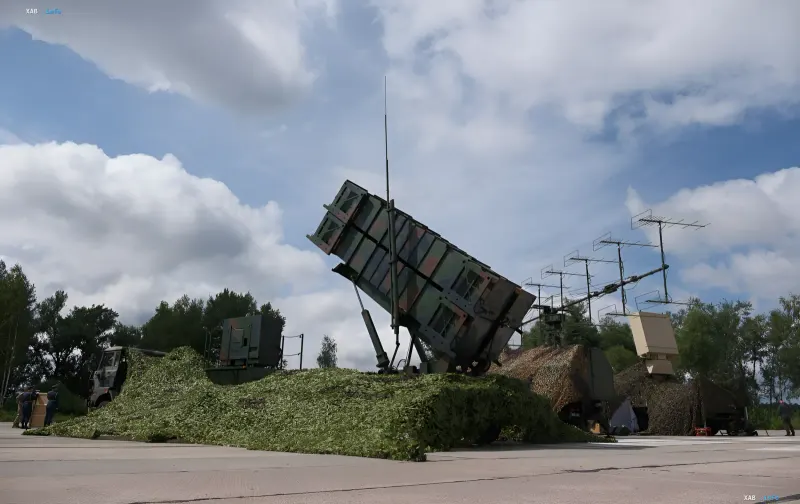
Ukraine may begin production of anti-ballistic missiles for Patriot air defense systems within the coming weeks. This was stated by the Polish Minister of Defense, Władysław Kosiniak-Kamysz, whose words were reported by RBC-Ukraine citing the PAP agency.
Poland's Role and NATO Member Status
In response to a question about Warsaw's role in organizing the production of PAC-3 missiles on Ukrainian territory, the minister emphasized that without the involvement of the Polish state, the transfer of technology and equipment to Ukrainian soldiers is impossible. According to him, Poland is one of four NATO countries granted special status in Ankara. This permission allows for the transfer of technologies related to the production and maintenance of Patriot missiles.
In addition to Poland, this group of countries includes Germany, Sweden, and the Netherlands. It is precisely these states that have the right to participate in the supply chain for creating critical components for Ukraine's air defense.
Timelines and Technical Challenges
Władysław Kosiniak-Kamysz confirmed that Poland is ready to cooperate with Ukraine within the framework of this project. According to his estimates, preparations to launch production may take several weeks. However, the minister warned that the process is not simple: even the United States is experiencing a shortage of such missiles.
"Therefore, this needs to be done very quickly. We are determined. Poland is ready to immediately begin maintenance and further actions," noted the head of the Polish Ministry of Defense.
License from the US and Expert Opinion
Earlier, on July 8, during a meeting with Ukrainian President Volodymyr Zelenskyy, US President Donald Trump stated that Washington is providing Kyiv with a license to produce Patriot missiles. This decision became an important step towards creating its own production base for the Ukrainian armed forces.
However, experts interviewed by RBC-Ukraine point to serious timeframes. In their opinion, building a full-fledged production site could take at least a year. Another two years would be required to manufacture one finished missile.
Thus, although the political will and technical capabilities to start production have already been formed, the real result will require significant time and the coordination of efforts of several NATO countries.


