
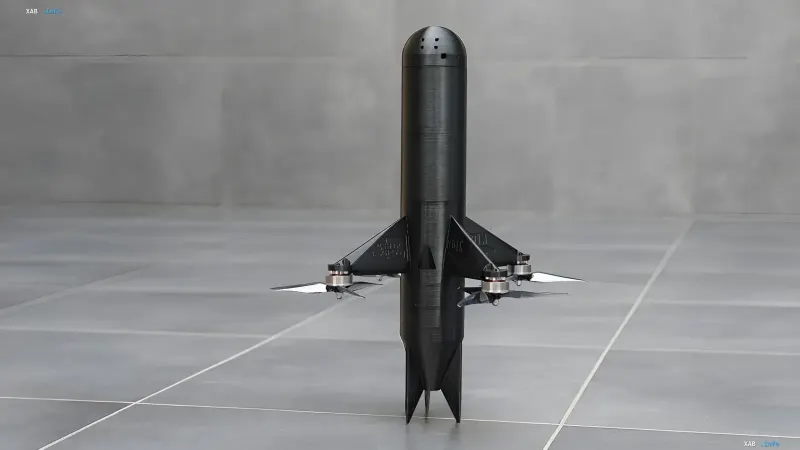
The Ministry of Defense of Ukraine and representatives of the European Union's defense-industrial complex have reached a fundamental agreement on the formation of a joint defense platform. The focus is on a long-term program to create an integrated air defense architecture designed to change the regional security landscape. A key element of the new structure is the prospective Freya air defense system, the development of which is being carried out by Ukrainian design bureaus in close coordination with Western technological partners.
Technological Symbiosis and Link 16 Standards
According to technical documentation available to specialized analytical agencies, the Freya system architecture is based on a hybrid model. The system combines Ukrainian radar detection equipment with European medium-range interceptor missiles. This approach aims to diversify sources of arms supplies and reduce dependence on direct defense transfers in the context of changing global logistics.
At the current stage, the project is in the phase of deep technical integration. The main task for specialists is the synchronization of digital fire control interfaces and the coordination of data transfer regulations. All processes are being built within the framework of the Link 16 tactical network standards, which will ensure the compatibility of the new system with existing NATO and EU structures.
Export Control as the Main Challenge
The implementation of the ambitious program faces complex legal barriers. The main obstacle is the strict export control rules of EU and US regulatory bodies regarding dual-use components and microelectronics.
To overcome these restrictions, Ukrainian defense enterprises, including developers from the private sector such as Fire Point, are conducting active regulatory consultations. The strategy involves localizing the production of certain critical units directly on the territory of NATO member states. This solution is intended to bypass strict quotas and restrictions on the transfer of intellectual property to third countries, ensuring the legitimacy of the project within the framework of international law.
Strategic Necessity and Missile Shortage
The need to create an alternative platform is dictated by the harsh reality of combat operations. The high intensity of consumption of existing types of surface-to-air missiles, such as MIM-104 Patriot and IRIS-T, has created a critical shortage. At the same time, the long-term deployment of new production lines by giants like Raytheon and Lockheed Martin does not allow for the prompt fulfillment of front-line needs.
According to experts, bringing missile component production to design capacity requires significant time. This is why defense ministries are forced to seek regional solutions capable of ensuring the continuity of supplies.
Project Status and Infrastructure Security
As of July 2026, the project is in the stage of coordinating datalinks and control protocols. The operational tasks of the Freya complex include replacing deficient short- and medium-range systems. In parallel, intergovernmental agreements on the import of components are being prepared to reduce export control risks.
An important aspect of the program is infrastructure security. The strategy involves the dispersal of production capacities and assembly units, which is intended to protect industrial workshops from external destructive impact.
Official comments from the General Staff of the Armed Forces of Ukraine regarding the exact schedule for putting the complex on combat duty and the areas of its deployment have not yet been received due to the secrecy regime. Nevertheless, representatives of the Ministry of Defense emphasize that any joint projects with European defense conglomerates are considered a priority vector for ensuring national security. International military-technical cooperation is carried out in strict accordance with the International Code of Conduct on Arms Transfers, which imposes obligations to ensure the end-use of supplied technologies.


