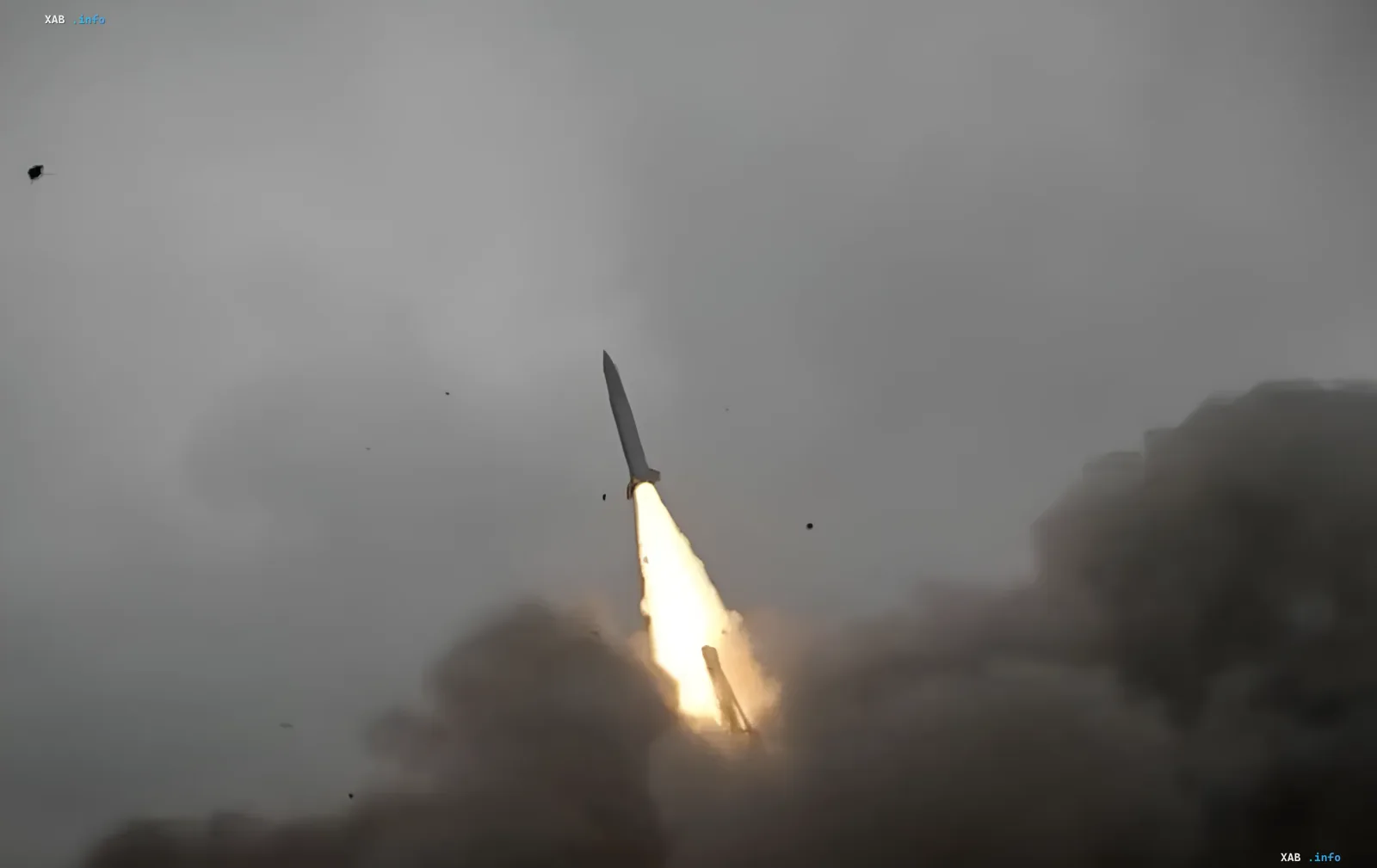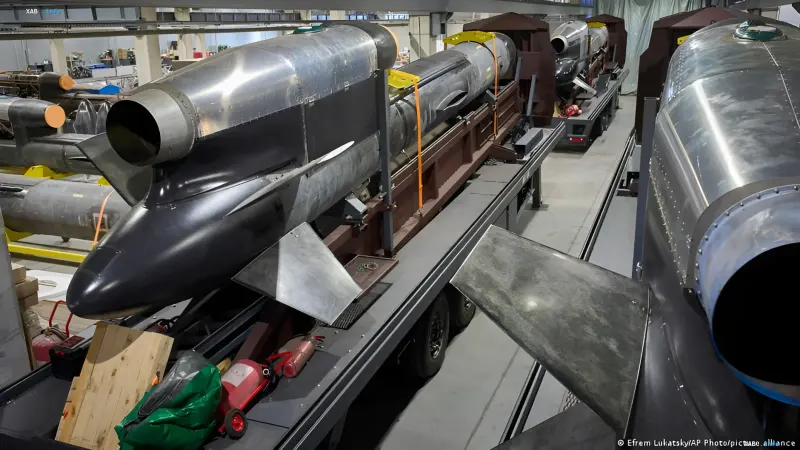
An international coalition is forming around the Ukrainian Project Freyja, which envisages the creation of its own interceptor missile for ballistic targets. The initiative, positioned as pan-European, aims to close a critical vulnerability window in the continent's defense. On July 13, the first meeting of the new anti-ballistic coalition took place in Paris, attended by Ukraine and nine NATO countries.
From calls for partnership to creating a "shield"
The path to creating this alliance took four and a half years. During this time, partners' rhetoric evolved from general calls to "close the sky over Ukraine" to specific statements by President Volodymyr Zelenskyy. The head of state defined Project Freyja as a way to supplement national defense and create a reliable shield over all of Europe.
Today, ballistic missiles remain the only air threat from Russia against which the sky over Ukraine is still not fully protected. Constant bombardments require several times more interceptor missiles than are currently available.
Technical essence and implementation timelines
Ukraine is acting as the project coordinator, and the key manufacturer of the interceptor missile is the Ukrainian company Fire Point. According to company representatives, the missile will be ready by 2027. Experts emphasize that the discussion is not about creating something fundamentally new from scratch, but about integrating existing solutions.
Oleg Katkov, Editor-in-Chief of Defense Express, notes that the task is to combine components into a single complex via existing information exchange protocols, Link 16. "By combining all this into a single system, one can try to intercept something," the expert explains.
Igor Fedirko, Executive Director of the Ukrainian Council of Arms Manufacturers, clarifies the development details. The project is based on the FP-7.x missile, which has already undergone testing. European partners can provide ready-made radars, seeker heads, secure data transmission channels, and command and control systems. The combination of existing competencies allows the path from engineering solution to testing to be completed significantly faster than traditionally occurs in the European defense industry.
Economic feasibility and challenges
The development of anti-ballistic defense is critically important not only for Ukraine but also for Europe. Oleg Katkov points to a simple economic calculation: Russia produces more ballistic and hypersonic missiles than there are currently possibilities for producing PAC-3 interceptors for Patriot systems. Therefore, any solution aimed at increasing the production of air defense means should receive the status of a national priority.
However, behind the declarations of "protecting all of Europe" lie serious challenges. At the moment, the coalition is a political and organizational framework, not a financed program with ready-made contracts. The most difficult task is to integrate the missile, radar, control point, and guidance means into a single complex, and then to confirm its ability to stably intercept targets.
Bureaucracy and intellectual property
Military expert Mikhail Samus warns that the main difficulties are organizational in nature. It is necessary to build cooperation between enterprises and clearly define rights to intellectual property. The issues concern who will own the design documentation and rights to individual elements of the missile or the missile as a whole.
The speed of implementation of the entire pan-European project will largely depend on how promptly these bureaucratic and legal issues are resolved, as well as on the distribution of rights within the European Union.