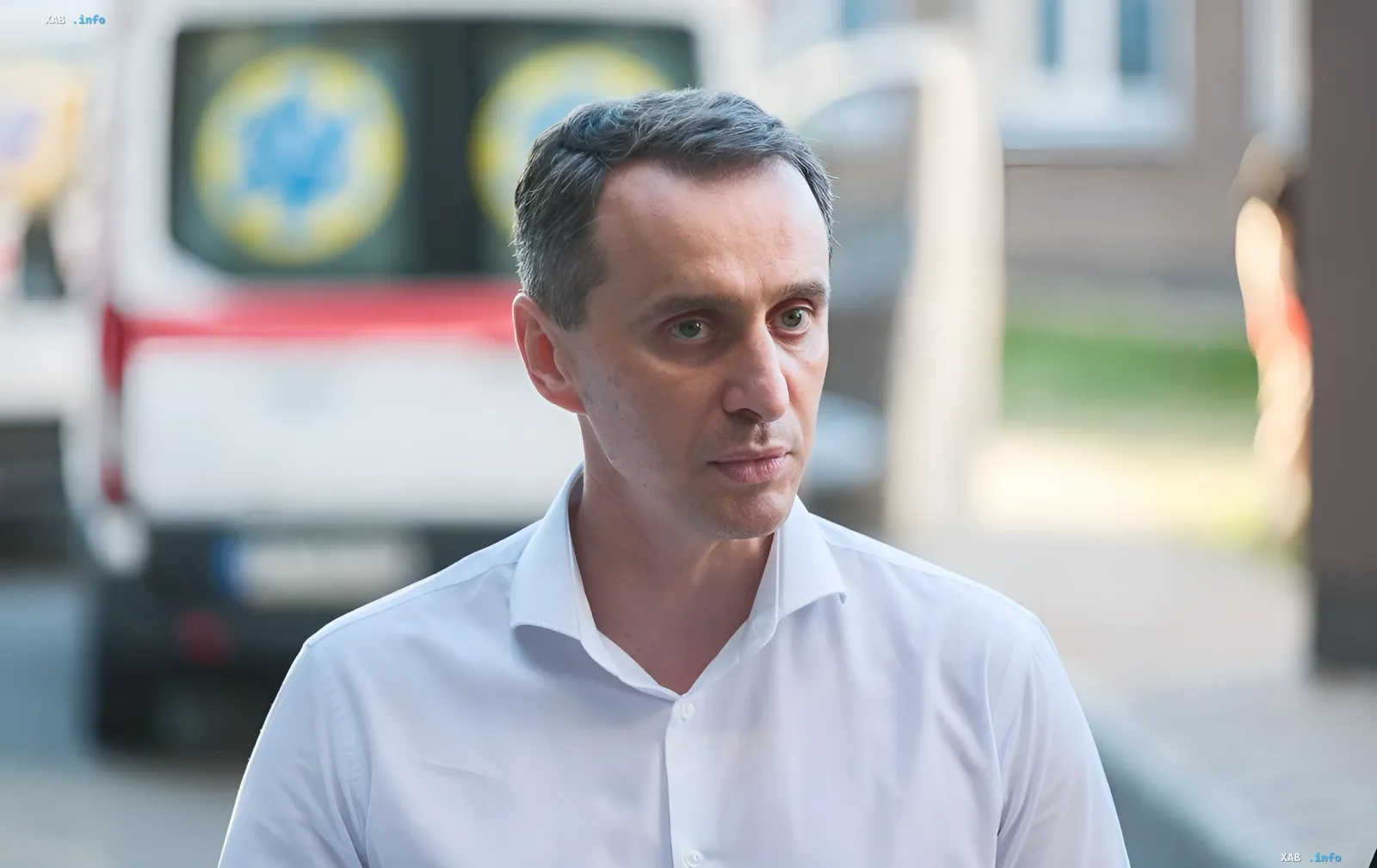
In the context of the ongoing war in Ukraine, the issue of mobilization and protection (bron) for medical workers remains one of the most acute. Despite the official statement regarding 100% protection for doctors working in state and communal institutions, the situation in practice proves to be more complex. The Minister of Health, Viktor Lyashko, confirmed that some medical workers may be de-protected for service in the ranks of the Armed Forces of Ukraine — and this is happening according to a pre-established algorithm.
The de-protection algorithm: how it works
As Lyashko reported during the question hour to the government in the Verkhovna Rada, the decision on 100% protection for medical workers was made by the National Security and Defense Council (NSDC). However, it is not absolute. In case of the need to strengthen the medical forces of the Armed Forces of Ukraine, the Commander of the Medical Forces, through the Ministry of Defense, contacts the Ministry of Health with a specific request regarding medical specialties and profiles required at the front.
Next, the quota mechanism is launched. The request is transferred to regional administrations, which interact with specific medical institutions. There, a selection of people who are willing to voluntarily join the ranks of the Armed Forces takes place — specifically, the medical forces of the Armed Forces of Ukraine.
One-year contract and the possibility to return
After a medical worker agrees to serve, their protection is lifted. They sign a contract for a term of one year. Upon expiration of this term, the medical worker has the right to return to their main place of work. Thus, the system provides for the temporary nature of mobilization and the possibility of restoring the personnel potential after service.
Lyashko noted that he has exact figures on the number of de-protected medical workers, but promised to provide them either during personal communication or upon additional request. This indicates that the process is already underway, and data on it exists, although it has not yet been published.
Problems with status confirmation and enterprise checks
Despite the existence of protection, some employees of critical enterprises, including medical ones, may have questions regarding the confirmation of their status. Who should initiate the check? What documents are needed? Who bears responsibility — the employee or the employer? These questions remain open and cause concern among specialists.
Parallel to this, the Cabinet of Ministers is changing its approach to protection. The government has ordered to update the list of companies belonging to critical ones and to conduct a check of their compliance with current criteria. This may lead to a review of the status of many institutions and, as a result, to a change in the position of their employees.
What does this mean for the healthcare system?
On the one hand, the system allows for a flexible response to the army's needs for medical personnel. On the other — it creates risks for the stability of the work of hospitals and polyclinics, especially in regions where there is already a shortage of specialists. Voluntariness is the key principle, but the pressure of circumstances and patriotic duty can make "voluntariness" conditional.
It is important to understand: even if a medical worker is formally protected by a shield, they can be called up — but only through a clearly written mechanism. And this mechanism is already working. The question is how transparent and fair it is, and how it will affect the accessibility of medical care for citizens in the long term.


