
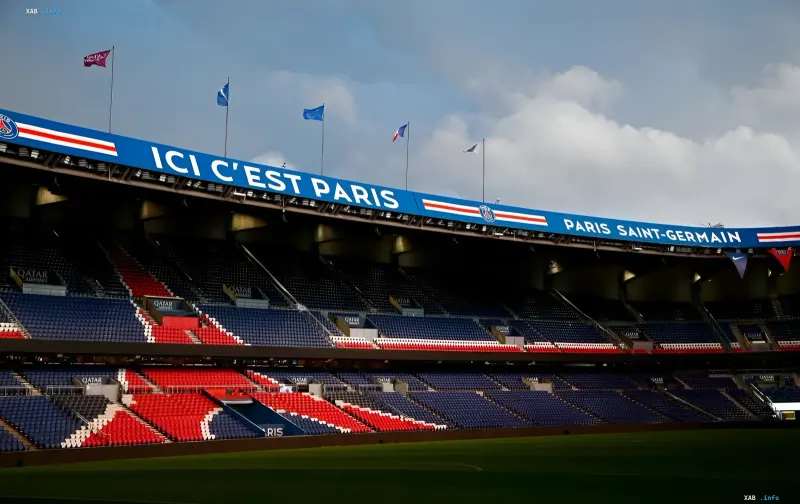
French champions Paris Saint-Germain have been forced to change the venue for their first match of the new Ligue 1 season. The Round 1 fixture against Rennes, which was scheduled to take place on Sunday at the Parisians' home ground, will now be held at the opponent's stadium in Brittany. The decision was made following an inspection of the Parc des Princes pitch by the French Professional Football League (LFP), which deemed the condition of the surface incompatible with player safety and physical integrity. Details regarding the postponement and the causes of the turf damage are provided by Sport RBC.UA, citing the LFP press service.
LFP Inspection and Decision to Relocate
According to the league, the grass covering of the main Parisian arena has sustained serious damage, rendering it unsuitable for an official match. LFP experts concluded that playing on such a pitch poses a risk of injury to players from both teams. Consequently, the Round 1 match between PSG and Rennes has been moved to the away team's stadium in Brittany, a forced but justified measure to protect player health.
Cause: Abnormal Summer Heat
The root of the problem was the abnormal heatwaves that swept across France this summer. At the end of June, temperatures in Paris reached nearly 41°C, leading to overheating and degradation of the turf. Such extreme conditions created an environment where natural recovery of the surface became impossible, leaving it in a critical state by the start of the season.
Pitch Replacement and Club Apologies
PSG has apologized to fans for the inconvenience and assured them that the grass covering will be completely replaced before the next home match. According to the schedule, the Parisians will host Monaco at Parc des Princes on September 4, and the club promises to have the arena in proper condition by that date. Thus, the relocation concerns only the opening round, not the entire home program for the season.
Not an Isolated Case: Heat Hits European Arenas
Summer abnormal heat has caused trouble not only for the Parisians. Record temperatures in June worsened conditions on many sports venues across France. A similar situation occurred in Spain: earlier this month, Celta Vigo was forced to postpone their opening La Liga match against Osasuna at the Balaídos stadium due to a fungal disease of the turf, which developed against the backdrop of three weeks of heat above 25°C. These precedents show that climate anomalies are becoming an increasingly tangible factor in organizing football seasons in Europe.