

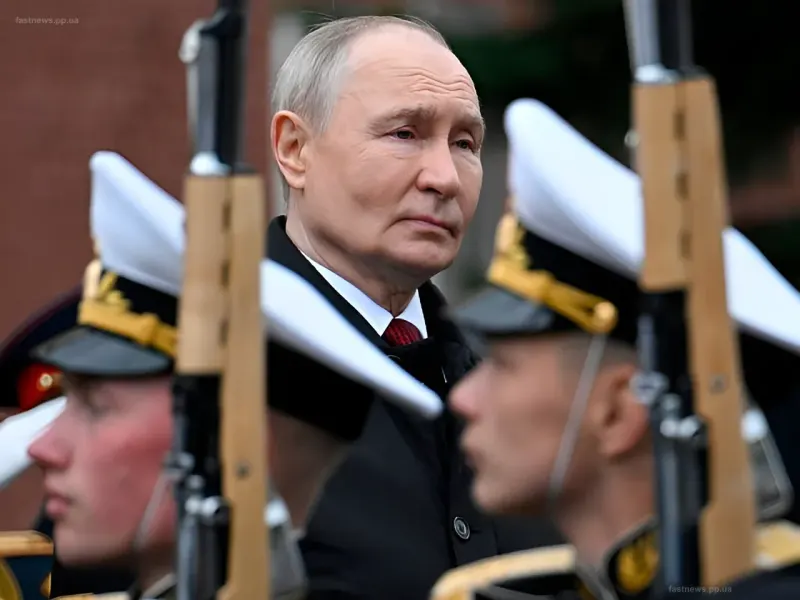
Vladimir Putin, whose name has become synonymous with hardline geopolitics, has launched an ambitious program aimed at solving, perhaps, humanity's oldest problem—aging. According to The Wall Street Journal, the fight against age has become a priority state project costing approximately $26 billion. The initiative, titled "New Health Preservation Technologies," was officially announced in 2024, but the roots of this obsession go much deeper.
From a Conversation in Beijing to Organ Bioprinting
A key moment shedding light on this project was the September parade in Beijing. Journalists recorded a dialogue between Putin and Chinese President Xi Jinping, where the Russian leader discussed the possibility of extending life through organ transplantation. What might have seemed like a casual conversation between two elderly leaders turned out to be a description of a real Kremlin plan.
The program includes advanced and partly futuristic methods:
- Development of gene therapy to correct age-related changes;
- 3D bioprinting of living tissues;
- Growing organs for transplantation using mini-pigs as donors;
- Other experimental life-extension techniques.
The official goals of the project sound impressive: by 2030, the program is expected to "save" 175,000 lives.
Who is Behind the Immortality Project
Key figures close to the president are involved in managing this multi-billion dollar flow. One of the main curators is named endocrinologist Maria Vorontsova, Putin's daughter, who oversees state genetic programs. Another ideologue of the project, according to the publication, is Mikhail Kovalchuk, head of the Kurchatov Institute—brother of Yuri Kovalchuk, one of Putin's closest allies in the financial sector.
Scientific Ambitions vs. Reality
Unlike similar initiatives in the US, where research is funded by tech billionaires and often accompanied by publications in leading global journals, the Russian project remains in the shadows. The lack of peer-reviewed articles in international publications raises questions about the real effectiveness of the developments.
Alexander Ostrovsky, one of the pioneers of bioprinting in Russia, who left the country after the start of the war, told WSJ that without scientific publications, it is difficult to distinguish real achievements from "dreams" and attempts to secure funding.
The Paradox of Longevity
The Kremlin's interest in the topic of immortality looks particularly contrasting against the current reality. Russia remains a country with an extremely low life expectancy for men—around 68 years, which is significantly lower than in the US and Western Europe. The desire to defeat aging amidst war, scientific isolation, and high mortality creates a unique and possibly tragic paradox of modern Russian politics.


