Futile Attempts at Dialogue
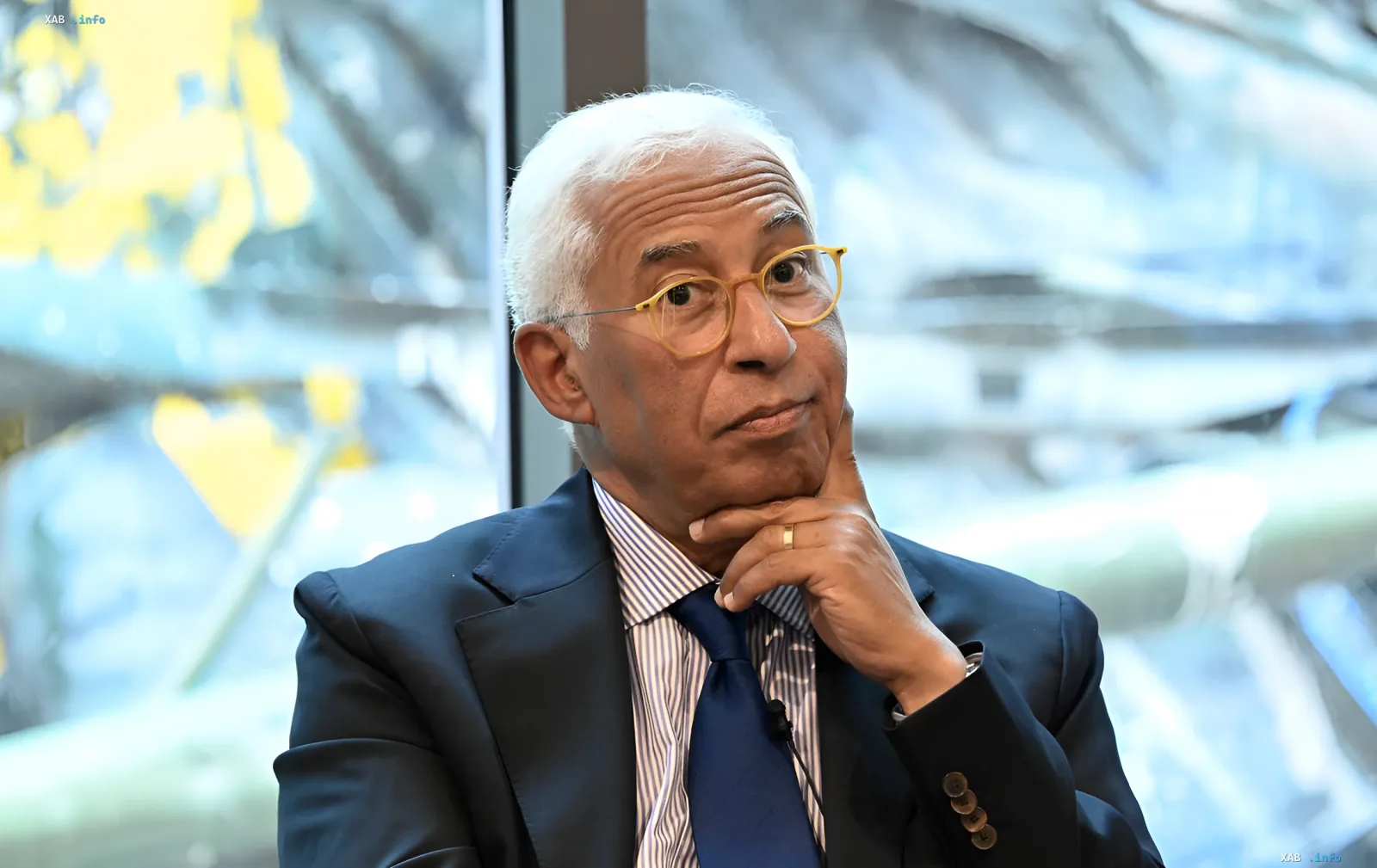
In recent months, discussions have intensified in European capitals regarding the need to resume contacts with Moscow. Some representatives of the European Union, including European Council President António Costa, have made attempts to establish direct dialogue with the Kremlin. The goal of these initiatives was to engage the Russian leadership in full-scale negotiations on ending the war against Ukraine.
However, according to information obtained by RBK-Ukraine from a source within the government, these efforts have proven futile. According to the publication's interlocutor, Vladimir Putin demonstrates a dismissive attitude towards Europe's proposals and has no intention of negotiating with it on equal terms.
Europe's Secondary Role
The source clarified that the Russian leader allows the participation of European representatives only as observers or participants in secondary consultations. At the same time, he categorically refuses to recognize Europe as a full-fledged party at the negotiation table.
"Putin despises Europe and does not want to negotiate with it," the source emphasized. This poses a difficult task for European diplomats: how to keep the continent a real participant in the peace settlement process if one of the key parties to the conflict ignores their role.
Negotiation Context
Earlier, the Bloomberg agency, citing its sources, reported that António Costa's chief advisor held several meetings with a high-ranking official from Vladimir Putin's entourage. These talks were part of Costa's attempt to draw the head of the Kremlin into a discussion on the terms for ending military hostilities.
At the same time, Ukrainian President Volodymyr Zelenskyy spoke about the possible format of Europe's participation in the negotiations. He proposed that countries of the E3 format — France, Germany, and the United Kingdom — speak on behalf of the European Union. In Kyiv's opinion, such an approach could strengthen Ukraine's position in the dialogue with Moscow.
Challenges for European Diplomacy
The situation with Putin's refusal to engage in full-scale negotiations poses serious challenges for Europe. If Moscow continues to ignore the role of European countries, it could undermine confidence in the EU's ability to influence the course of events in the region. Moreover, the lack of real European participation in the negotiations could lead to key decisions being made without taking the continent's interests into account.
Thus, the question of how to preserve Europe's place at the negotiation table is becoming one of the most acute in the current geopolitical agenda.


