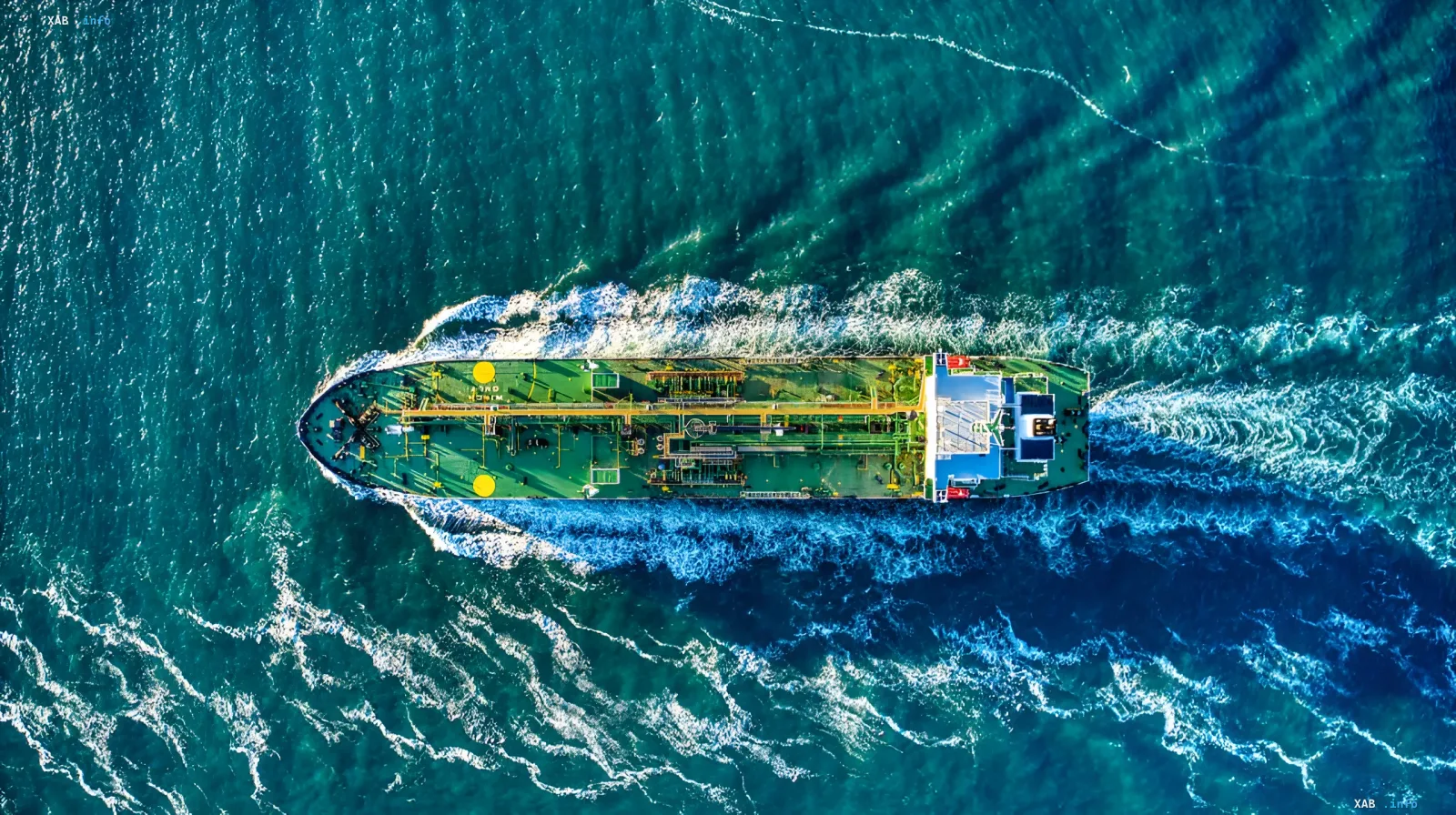
The global liquefied natural gas (LNG) market is facing an unprecedented situation: the region's largest players, Qatar and the UAE, have begun employing tactical maneuvers previously characteristic exclusively of Russia's "shadow fleet." With the Strait of Hormuz, through which a critical portion of global shipping traffic passes, blocked, state energy giants are forced to conceal their routes to ensure product exports.
Stealth Technologies: Turning Off Transponders and Changing Crews
Companies QatarEnergy and Abu Dhabi National Oil Co. (ADNOC), which account for about 20% of global liquefied gas supplies, have begun moving their vessels into the "shadows." The primary method used to bypass control involves turning off transponders — devices that transmit data about a ship's location. This makes tracking the movement of tankers practically impossible for external observers.
Furthermore, exporters are resorting to changing crews and captains to break the chain of vessel identification. Specifically, a case was recorded where a Qatani tanker hired a crew through an Indonesian recruitment agency that previously provided sailors for ships transporting sanctioned Russian oil. Such practices allow for concealing the origin of the cargo and evading sanctions or blockades.
Strait of Hormuz: Vulnerability and Night Operations
The Strait of Hormuz is a narrow waterway only a few dozen kilometers wide, through which a significant portion of global oil and gas supplies pass. Iran, which controls this region, has banned movement through the strait and can visually observe ships during the day. However, its capabilities for tracking night movements are limited, especially if ships turn off signals and lighting.
It is precisely at night, when control weakens, that LNG tankers pass through the strait, using tactics similar to those employed by the Russian shadow fleet to bypass Western sanctions. This allows them to deliver cargo to ports in Qatar and the UAE, despite official bans.
Return of Empty Gas Carriers: Preparing for a Large-Scale Operation
After several successful voyages that allowed LNG to be secretly transported through the strait, empty gas carriers began returning to the region to load new shipments. In recent days, four vessels linked to QatarEnergy and ADNOC entered the Gulf of Oman from the ocean, from where one can reach the internal ports of Qatar and the UAE via the Strait of Hormuz.
One of these vessels stopped transmitting location data two days ago, suggesting that it is already passing through the strait. This confirms that the stealth tactic works and could be used in the future for large-scale gas export operations.
Strategic Signal: Preparing for Long-Term Disruptions
Such actions by Qatar and the UAE may be a signal of preparation for long-term disruptions in shipping through the Strait of Hormuz. If the situation in the region escalates, LNG exporters will be forced to constantly use stealth methods to maintain supplies to the global market. This could lead to the formation of a full-fledged "shadow fleet" in the region, similar to Russia's.
Thus, global energy security is facing a new reality: even the largest and most open gas exporters are ready to resort to methods previously considered the domain of sanctioned players. This changes the rules of the game in the global LNG market and requires a revision of strategies for monitoring and controlling maritime transport.


