
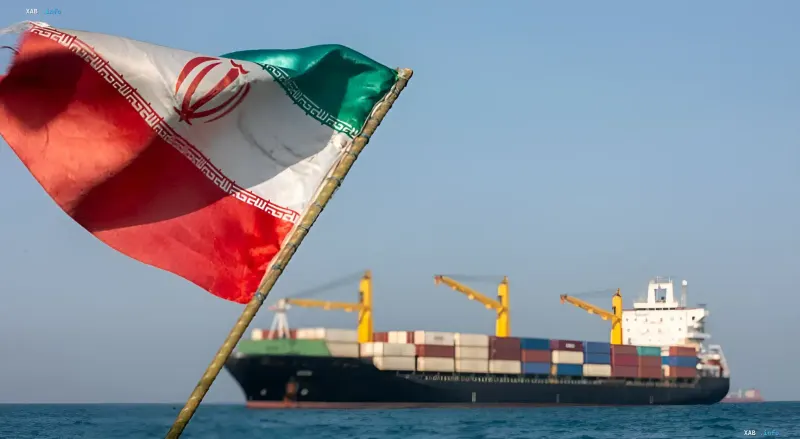
The Qatari state energy company QatarEnergy has begun official negotiations with key clients to clarify the schedule for resuming liquefied natural gas (LNG) supplies. The company intends to quickly restore export volumes following the reopening of the Strait of Hormuz, which is a critical artery for global energy trade.
Stages of Capacity Recovery
According to information conveyed to buyers, Qatar expects a phased ramp-up of production. Within the first month after the strait is officially reopened for shipping, capacity will be brought to 50%. Within two months, the company plans to reach 80% of design capacity.
The main production increase is expected at the world's largest LNG export complex, located in Ras Laffan. This hub was the primary facility whose capacities were forced into storage or redirected to internal storage during the months-long maritime blockade.
Dependence on the Strait of Hormuz
Regional stability remains the primary condition for fulfilling the announced plans. Nearly 100% of Qatar's maritime gas exports heading to Asian and European markets pass through the Strait of Hormuz. Future supply volumes will depend directly on the uninterrupted operation of this narrow maritime route.
Political Context and Consequences
The sharp change in the situation was made possible by a diplomatic breakthrough. Qatar, acting as one of the main mediators in secret negotiations between the US and Iran, gained the ability to instantly launch the process of recommissioning wells in the South Pars (North Dome) field in the Persian Gulf. The electronic signing of a memorandum by the leaders of the participating countries allowed Doha to resume operations.
The return of Qatari LNG to the global market carries significant economic consequences. It is expected that the resumption of supplies will lead to a further drop in gas prices and a significant relief for European energy infrastructure, which faced a deficit during the closure of the strait.


