
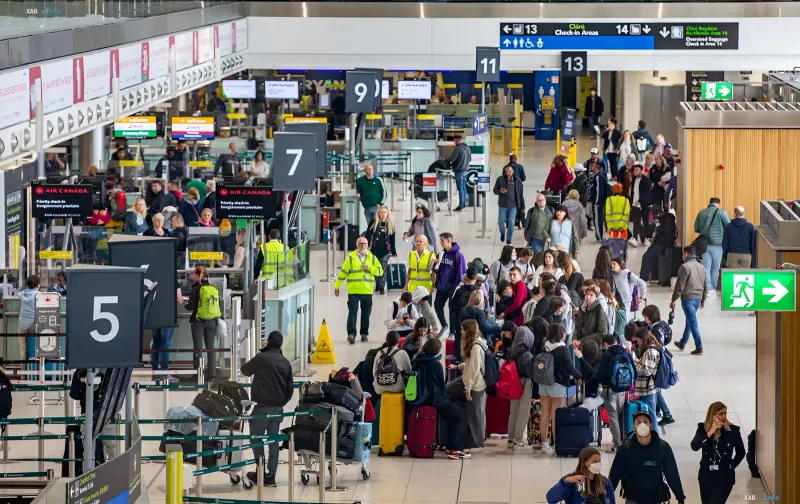
The European Commission has initiated a new round of negotiations with EU member states. The reason for these urgent consultations is the multi-hour delays at airports across the continent, which have arisen following the implementation of the new biometric entry and exit system — EES (Entry/Exit System).
EU Commissioner for Migration Magnus Brunner has sent an official letter to airport and airline executives. The document emphasizes that the goal of the system is to ensure citizen safety, but its implementation should not create undue discomfort for travelers from countries outside the Schengen Area.
Causes of Border Congestion
According to Brunner, the system is functioning correctly in most countries and airports. Nevertheless, he acknowledged that in certain destinations, passengers are forced to face long waits. The Commissioner cited insufficient staffing and a lack of adequate technical infrastructure as the main causes of the problems.
"The Commission will now make additional efforts to help those member states that are still facing issues," Brunner noted.
The situation with queues has caused serious concern within the industry. Brussels' reaction was a response to letters from the International Air Transport Association (IATA) and the "Airlines for Europe" association. Industry representatives reported critical delays for travelers.
European Commission President Ursula von der Leyen publicly acknowledged for the first time that significant work will be required to resolve "technical issues." As a temporary measure, member states have been granted the right to suspend the requirement to collect biometric data to speed up the passage of passengers through borders.
How the EES System Works
The rules for the new system were developed over eight years before coming into force. EES replaced traditional manual passport stamping with digital data recording. Instead of a stamp, citizens of non-EU countries now have their fingerprints taken and are photographed.
The official launch of the system began on October 12, 2025. Following a period of gradual implementation, from April 10, 2026, EES became mandatory for all travelers from third countries entering the Schengen Area for short-term stays. Citizens of Ukraine, in particular, fall under the scope of the system.
Statistics on Entry Refusals
The system has already begun performing its control functions. According to Politico, since October 2025, the EES system has recorded 43,728 cases of entry refusal into the European Union due to rule violations.


