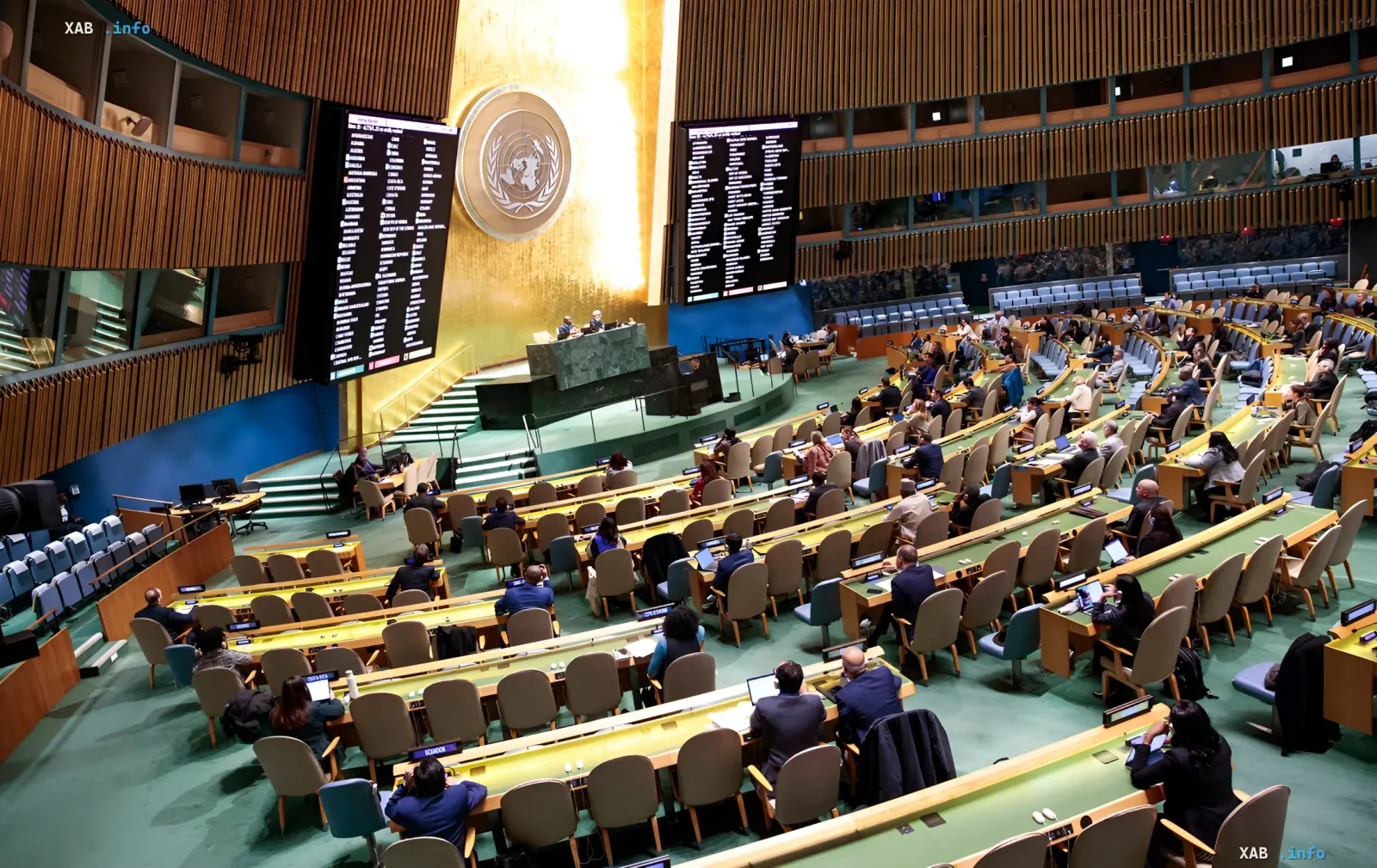
The United Nations is on the verge of a critical financial crisis. According to The Wall Street Journal, the organization risks a complete halt of operations as early as August of this year. The cause is the systematic delay of contributions from the world's two largest powers, which have effectively paralyzed the organization's financial system.
Financial Deadlock and Bankruptcy Threat
The US and China are the main donors to the UN, accounting for approximately 42% of the core budget. However, both superpowers are consciously freezing payments, jeopardizing humanitarian and peacekeeping missions worldwide. UN Secretary-General António Guterres has characterized the current situation as a "race to bankruptcy," warning that the organization's treasury could run out of funds by mid-August.
Washington's Position: Reforms in Exchange for Money
The Trump administration has already accumulated a debt to the UN exceeding $4 billion. The White House is strictly linking further funding to the implementation of radical internal reforms. The American side demands a significant reduction in staff, the elimination of inefficient spending, and a complete overhaul of budgetary policy, calling the organization's current expenditures excessive. As an example of pressure, Washington has already restricted funding for the World Health Organization (WHO) and reduced participation in several programs.
Chinese Delays and Diplomatic Risks
Beijing is also withholding significant sums, although it claims an intention to fulfill its obligations. Currently, China's debt stands at $455 million. Despite a recent payment of $850 million, funds are arriving with substantial delays. Such behavior by the world's two largest economies has left the international institution in a deadlock.
Diplomatic Storm and Personnel Changes
The financial crisis is compounding sharp political disagreements. After the UN placed Israeli Defense Forces (IDF) soldiers, Russian occupiers, and Hamas militants in a single list of those accused of sexual violence, Israel threatened to sever ties with the Secretary-General's office. "Putting us and Hamas terrorists in the same list is unacceptable," an Israeli representative stated.
Amidst these events, there are discussions within the UN corridors about the possible appointment of former Hungarian Prime Minister Viktor Orbán to a new position. Experts believe they are looking for a "warm seat" for him within the organization's structure, which would grant diplomatic immunity to protect him from legal prosecution by the new Hungarian government.


