During the revision of the 2027 State Budget draft, the Verkhovna Rada of Ukraine supported the decision to retain UAH 19.4 billion of reverse subsidy funds in local budgets. Amendment No. 872, submitted by Member of Parliament Pavlo Bakunets, became pivotal in this process. RBC-Ukraine reports this citing the parliament's decision.
What Was Originally Envisioned in the Budget
The initial draft of the 2027 State Budget proposed applying a reverse subsidy withdrawal for 218 hromadas (communities), of which 152 are settlement and village councils. The total volume of funds planned to be taken from local budgets amounted to UAH 19.4 billion. It was this provision that became the subject of parliamentary revision.
Bakunets' Amendment and Floor Voting
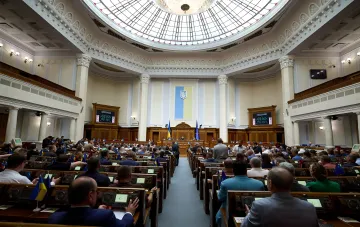
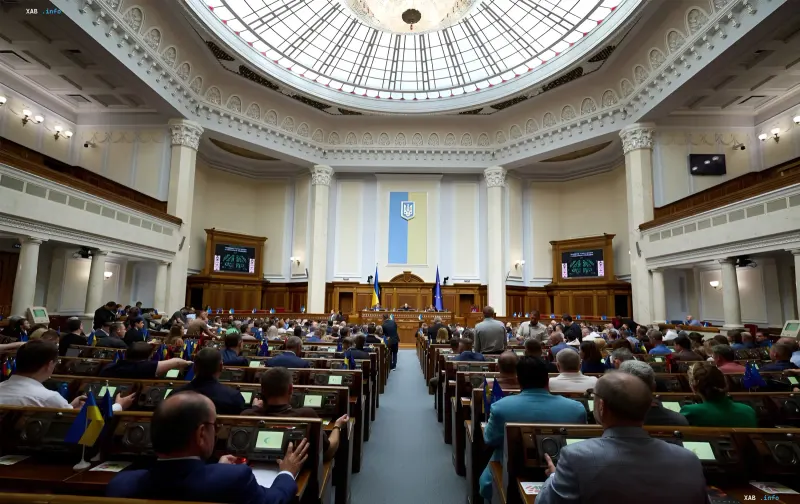
About 70 MPs signed the amendment to stop such a withdrawal. The Verkhovna Rada Committee partially accommodated Pavlo Bakunets' (Trust faction) Amendment No. 872, instructing the Cabinet of Ministers to balance its provisions and ensure the retention of the reverse subsidy locally. When considering Bill No. 16000 on the 2027 State Budget, an attempt to reject this decision failed: 284 MPs voted to keep the funds in the communities.
Why the Decision Is Critical for Communities
As noted in the justification for the amendment, the withdrawal of the reverse subsidy threatened individual communities with bankruptcy, while for others it would mean the forced curtailment of entrepreneurship support and job creation programs. The decision became critically important for communities from all regions of Ukraine amid a full-scale war and daily enemy shelling that led to the destruction of a large number of production facilities.
What Next: The Government's Duties
Now the government is obliged to take into account the position of the parliamentary majority when preparing the bill for the second reading, ensuring the preservation of these funds in local budgets, in particular by suspending the effect of Articles 99 and 100 of the Budget Code of Ukraine in the relevant part. It was previously reported that communities could have been left without funds for critical needs due to the government's decision.