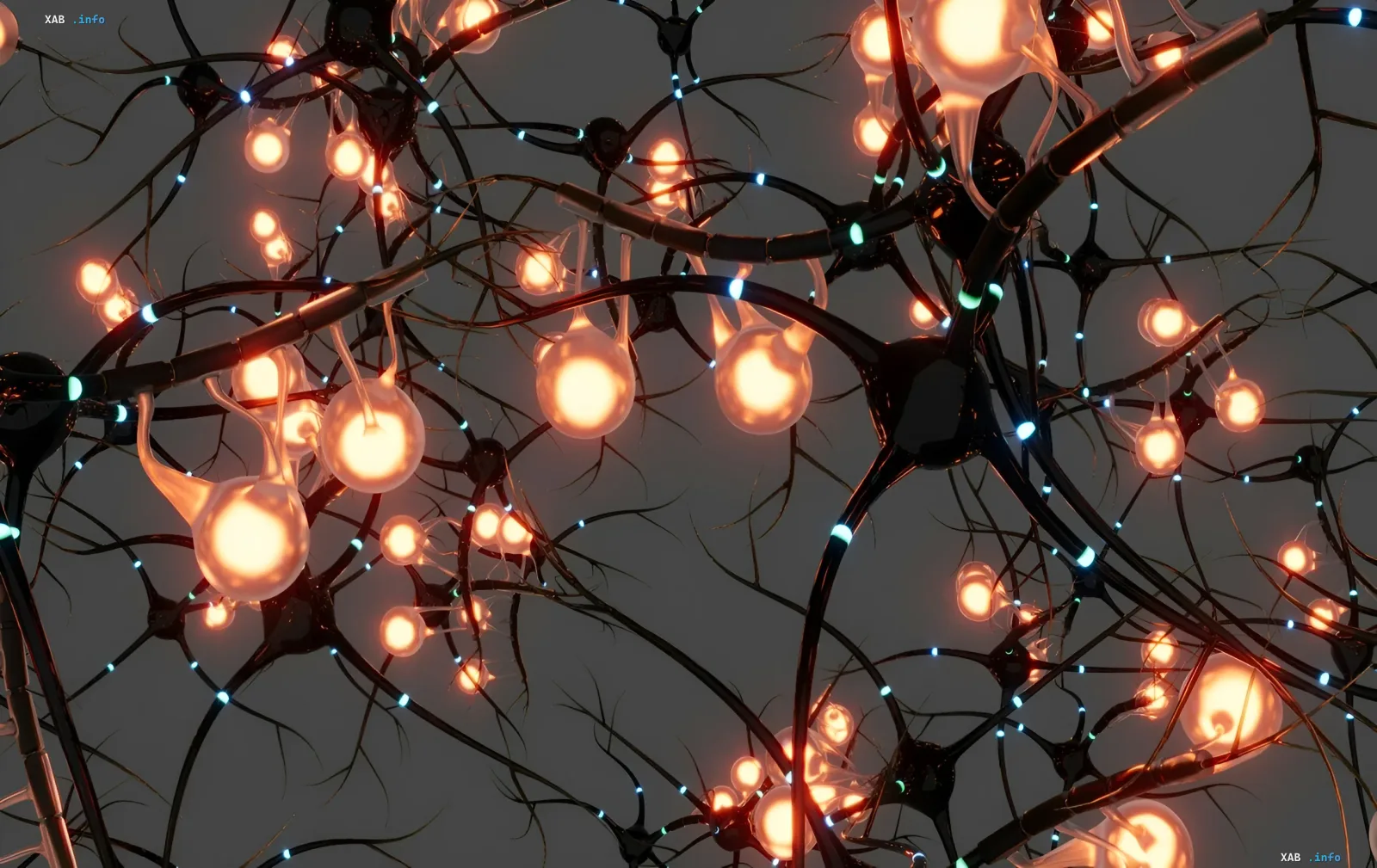
A group of researchers from University College London (UCL) has achieved a breakthrough in neuroscience: they managed to reproduce 10-second video clips based solely on the activity of the visual cortex of mice. The results of the study, published in the prestigious scientific journal eLife, open new horizons in understanding how living beings process visual information.
From general zones to individual cells
Attempts to decode visual images using functional magnetic resonance imaging (fMRI) have been made before, but primarily in humans. Existing methods allowed for recording only averaged changes in large brain areas, which did not make it possible to restore a detailed picture.
The new British technique works on a fundamentally different level — the single-cell level. This allowed scientists to obtain high-precision data that is unavailable during traditional scanning.
Video generation technology
The study is based on a complex multi-stage algorithm combining biological measurements and artificial intelligence. The process is divided into three key stages:
- Registration of calcium flashes. To record neuron activity, scientists used high-precision optical microscopy. The method reacts to local spikes in calcium levels that occur when a specific cell sends an electrical impulse.
- Accounting for physiological parameters. A special neural network model analyzed cell activity while simultaneously taking into account the mouse's movements and the current diameter of its pupils while watching the video.
- Generation from a 'blank slate'. The algorithm started with an absolutely empty black screen. Step by step, it adjusted pixels until the brain's predicted reaction to the image matched the animal's actual impulse measurements.
In the end, the AI generated an exact copy of the 10-second clip that the mouse was watching during the experiment. It is important to note that completely new videos, not used during the preliminary training of the computer model, were used for verification.
Quality depends on the number of neurons
Researchers found a clear pattern: the more individual neurons were connected to data reading, the higher the clarity and detail of the final image became.
The brain as a processor, not a mirror
The main goal of the development is not just to broadcast images from the head, but to study the fundamental differences between a real physical picture and how it is reflected by a living nervous system. Scientists emphasize: there is no perfect mirror reflection of the world in the heads of living beings.
The visual system acts as a complex processor that intentionally distorts, shifts, and emphasizes certain elements of information. Such deviations from objective reality are not a technical error of evolution, but an important adaptive function. It helps the organism instantly interpret threats, focus on movement, and supplement sensory data for survival.
Future plans
In the future, researchers plan to expand the scanning area of the cerebral cortex. This will allow for the creation of wider and clearer panoramas of reproduced memories, deepening the understanding of how neural networks work.


