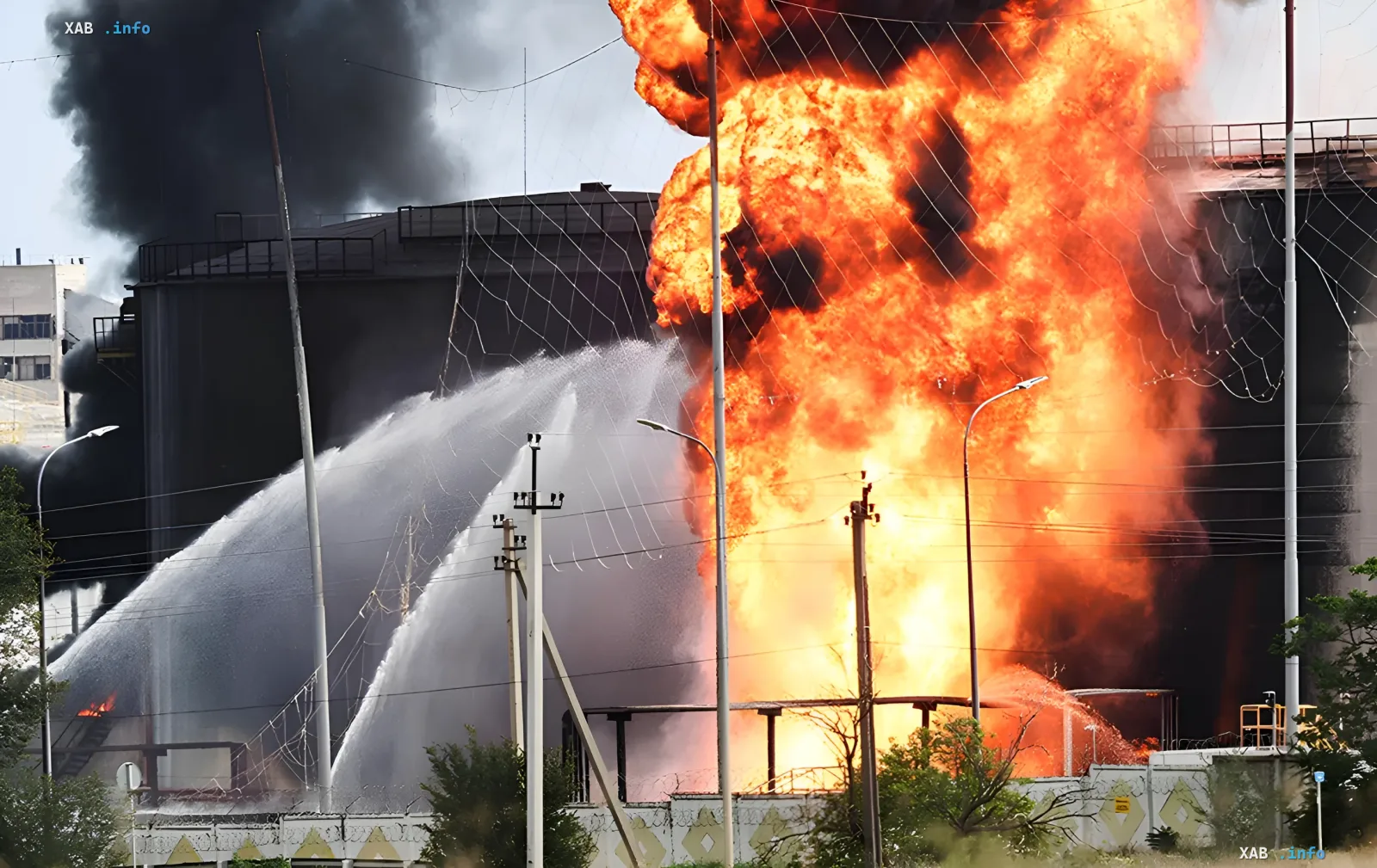
May 2024 became a turning point in the strategy of Ukrainian strikes on Russia's energy infrastructure. In just one month, the Ukrainian Defense Forces launched at least 30 strikes on oil facilities — a record figure since the start of the full-scale invasion. While earlier attacks were targeted, the current situation involves systematic pressure on the entire sector: within a month, eight out of the ten largest oil refineries in the country were hit.
Tactical shift: from primary to secondary refining
Kyiv has changed its priorities in target selection. While strikes were previously directed mainly at primary refining units, which are relatively quick to restore, the focus has now shifted to secondary refining units. It is these units that are responsible for the industrial-scale production of gasoline and diesel fuel.
Industry veteran and Carnegie Foundation expert Sergey Vakulenko explains that the damage from such attacks is significantly deeper. Repairing secondary units is a much more complex and expensive task. Western sanctions, which restrict the supply of high-tech equipment from abroad, make the restoration process prolonged. As a result, plants are forced to operate at half capacity or shut down for extended periods.
Targets of attacks: repeated strikes on key nodes
Kyiv's strategy is based on the principle of repeated strikes on the same objects to prevent the industry from recovering. In one month, drones attacked:
- Yanos plant (a joint venture of Rosneft and Gazprom Neft) — 3 strikes.
- Lukoil facilities in Nizhny Novgorod and Perm — 2 strikes each.
- Volgograd Refinery — halted after another strike.
- Saratov Refinery — sustained repeated damage.
In addition to plants, export terminals, pumping stations, and fuel storage facilities were hit. At least 16 strikes were directed directly at refineries.
Record drop in capacity
The effectiveness of the attacks is confirmed by hard numbers. According to the analytical company OilX, in May, the average volume of oil refining in Russia was 4.58 million barrels per day. This is 700,000 barrels less than a year ago and the lowest figure since October 2009. Analysts predict a further decline in volumes due to accumulated damage.
Market and government reaction
Recognizing the risks of domestic shortages, Russian authorities have introduced strict export restrictions. Since April 1, a ban on the export of most gasoline grades has been reinstated, and the export of aviation fuel is limited until the end of November. These measures are intended to support domestic supplies, although the situation in the market remains tense.
Official statistics look relatively calm: the average price of gasoline has risen by only 2 rubles since the beginning of the year, to 67.53 rubles per liter. However, exchange data paints a different picture. The volume of premium 95-octane gasoline offered for sale in the European part of Russia has fallen to 5,000 tons per day — only a third of last year's supply. On a year-on-year basis, exchange prices for this type of fuel have risen by more than 20%.
This situation is already creating problems for independent gas station networks not affiliated with major oil holdings, which are experiencing difficulties with wholesale fuel purchases.
Geopolitical context and official comments
Kremlin spokesperson Dmitry Peskov stated on May 21 that Russia does not see a risk of fuel shortage, attributing the production decline to seasonal maintenance. He emphasized that demand and supply are balanced. Nevertheless, restrictions on fuel purchases have already been introduced in Crimea, and last year the shortage affected the Far East and occupied territories of Ukraine.
The situation is exacerbated by global factors. Attacks on Russian refineries coincided with a crisis in the Strait of Hormuz, where oil flows have practically stopped due to the conflict in the Middle East. The loss of barrels from Persian Gulf countries has forced Russia to increase crude oil exports, creating additional strain on domestic refining.


