In Kyiv, a discussion is gaining momentum regarding the radical tightening of control over mobilization. On the agenda is the creation of a unified registry of citizens evading conscription and the introduction of coercion mechanisms similar to those applied to bank debtors. The initiative, voiced at a high level, signals the state's transition from administrative pressure to the systematic blocking of rights for 'unscrupulous' citizens.
The 'Bank Collection' Mechanism for Conscripts
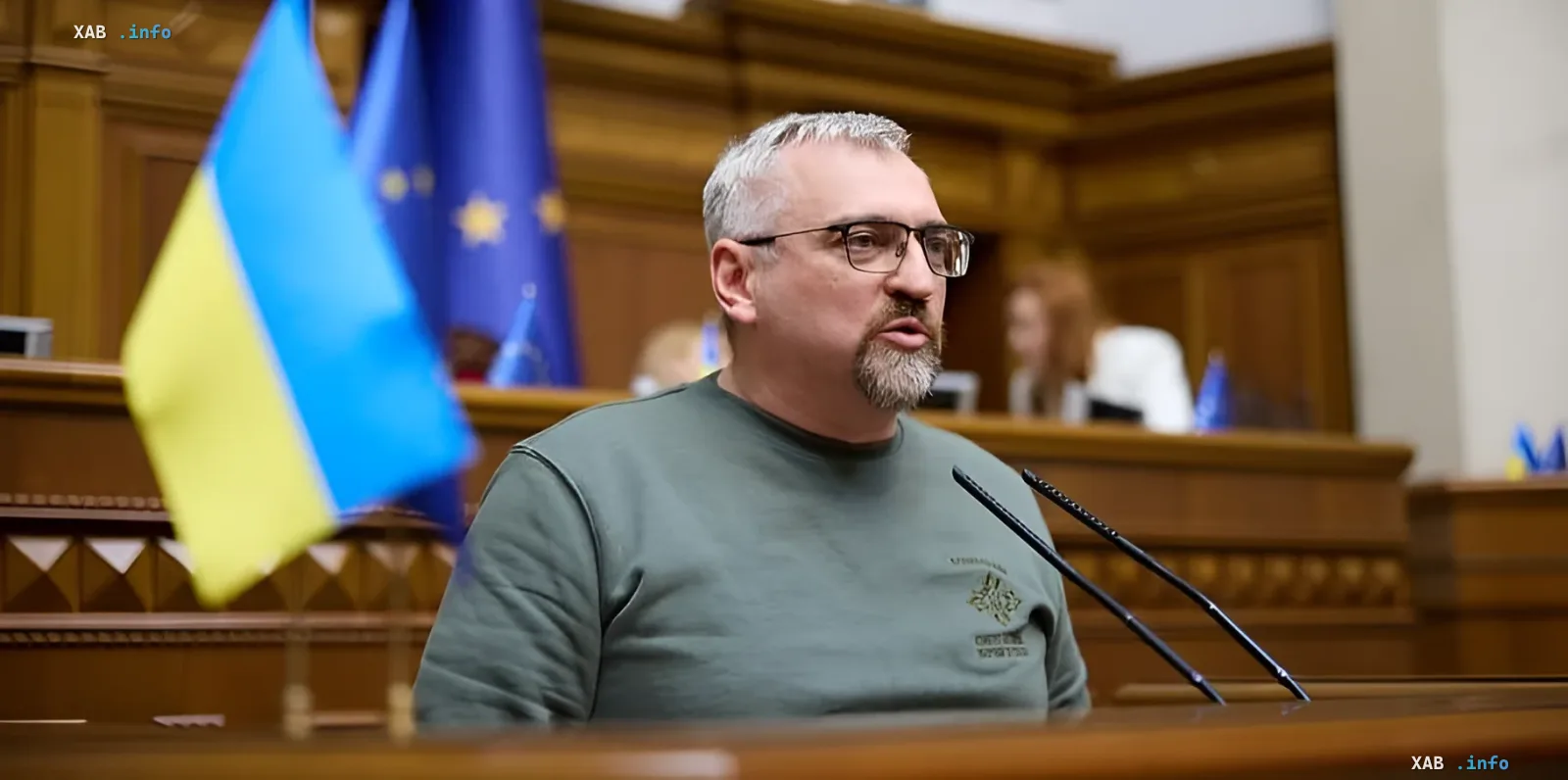
Alexander Fedyenko, a People's Deputy of Ukraine and member of the relevant committee of the Verkhovna Rada, revealed details of the scheme being developed by the Ministry of Defense (MoD) in an interview on the 'Espresso' TV channel. According to him, the logic of accountability will be structured on the principle of handling overdue loans.
The scenario looks as follows: receiving a summons, ignoring the requirement to appear at the military commissariat, and, as a consequence, failing to fulfill the constitutional duty. Once the violation is recorded, a chain of coercive measures is triggered. Fedyenko drew a direct analogy with the banking sector: if a borrower does not repay a debt, the bank initiates enforcement proceedings, freezes assets, and involves the court system. In the case of mobilization, according to the parliamentarian, a special registry could be created, which would serve as a tool for subsequent pressure on citizens.
Legal Basis and Legislative Changes
The deputy emphasized that administrative orders are insufficient to implement such a system. Significant changes to the current legislation of Ukraine are necessary. Creating a registry of draft dodgers will require clear legal formalization so that the mechanism cannot be challenged in court and can function on a permanent basis. For now, the MoD is at the stage of developing specific algorithms for operating this database.
Social Context: Tension at the Breaking Point
The discussion of such measures is taking place against the backdrop of an extremely tense public atmosphere. The idea of turning every citizen into a potential 'debtor' to the state, whose assets could be frozen for non-appearance, is causing alarm. For many Ukrainians, whose lives have already changed drastically due to the war, the prospect of total control and automated coercion looks like an additional burden.
The state machinery, striving to ensure troop numbers, is developing tools that blur the line between civic duty and forced labor. When the system begins to perceive a person solely as a resource subject to seizure, and their property as collateral, social tension inevitably rises. Official comments from the MoD leadership and human rights organizations have not yet been received, but the mere fact that such a harsh system is being developed indicates that the authorities are ready to go to extreme measures to force society to comply.


