Russian authorities are considering the possibility of introducing rental certificates for video games, similar to the procedure currently in place for films. This was reported by Kommersant, citing sources familiar with the initiative's discussion. According to the publication, the proposal is being discussed as part of the revisions to the bill "On the Development and Distribution of Video Games in the Russian Federation," which was introduced at the end of 2024. The State Duma, as the publication writes, expects to pass the document in the first reading by the end of 2026.
How the Initiative Works
The original version of the bill provided for mandatory player authentication via phone number, the "Gosuslugi" portal, or the Unified Biometric System. However, according to Kommersant, these requirements may be removed during the revision of the document. Instead, the discussion focuses on a mechanism for rental certificates—permits for the distribution of a specific game, comparable to those received by films before release. Thus, regulation is shifting from controlling individual user access to controlling the product itself and its distributor.
ORI, SORM, and Data Storage
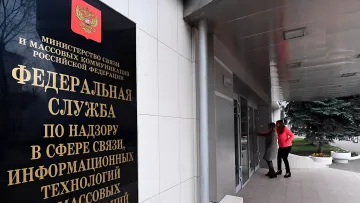
If the proposals are adopted, video game developers and distributors may be required to register in the Roskomnadzor registry of information dissemination organizers (ORI). This entails a number of obligations: storing user data on Russian territory and implementing operational-search measures (SORM) systems. Effectively, game studios and distribution platforms would fall under the same regulatory framework as other digital services overseen by Roskomnadzor.
Burden on the Gaming Industry
Interlocutors of Kommersant from the industry point out that mandatory registration of all video games as ORI will create an excessive administrative burden. According to them, not every gaming project involves user messaging functions, which are usually the basis for including a service in the ORI registry. Additional costs, according to industry representatives, will be incurred by both game studios and the platforms through which games are distributed.
Context: The Initiative Returns
The idea of rental certificates for video games is not new: Russian authorities discussed it back in 2024. At that time, industry representatives warned that such a measure could limit the presence of foreign developers in the Russian market. The return of the topic during the revision of the already submitted bill indicates that the issue of video game market regulation remains on the legislative agenda and, according to State Duma plans, could be brought to a first reading by the end of 2026.