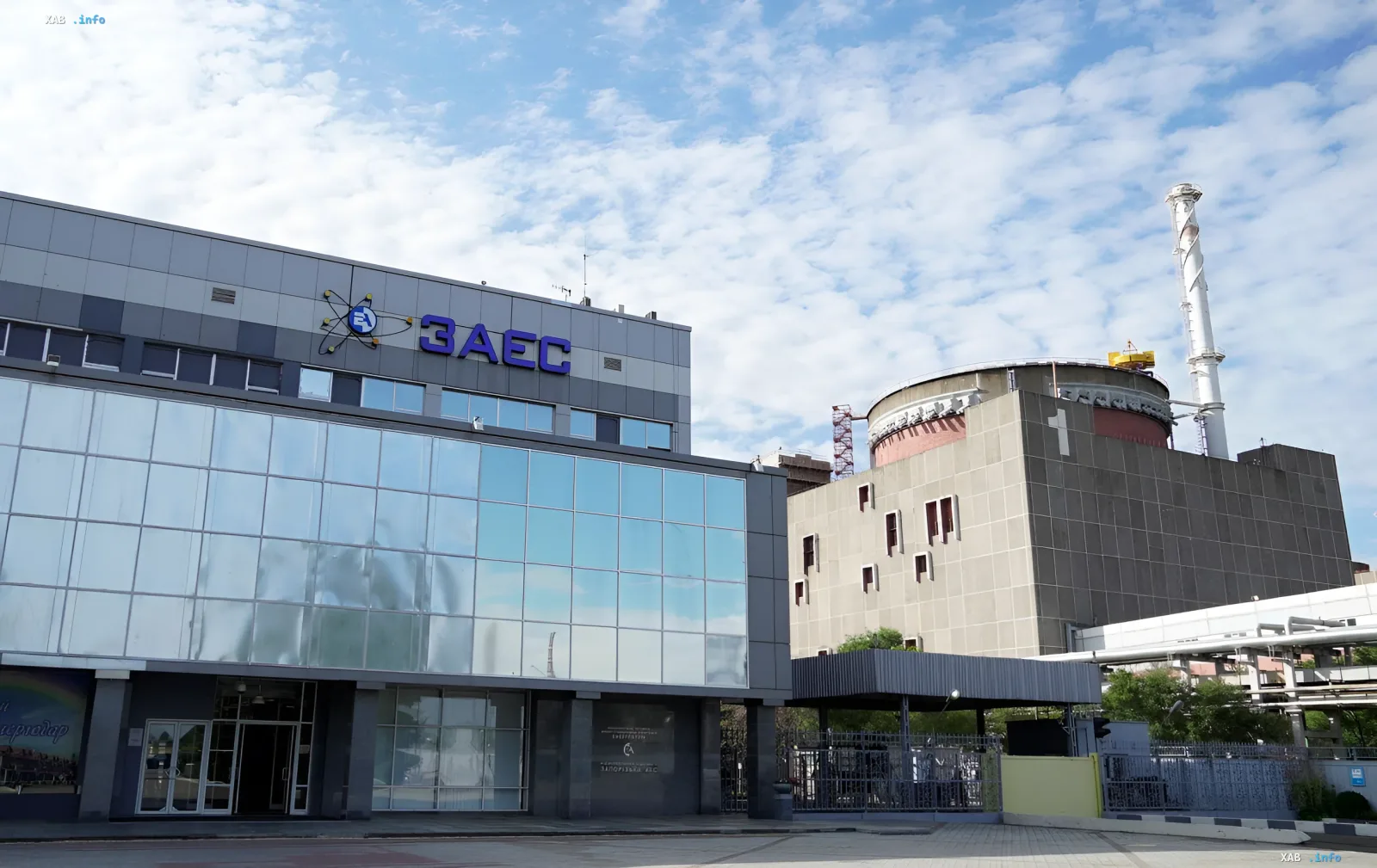
Repairs on one of the key power transmission lines and adjacent infrastructure facilities at the Zaporizhzhia Nuclear Power Plant (ZNPP) have been completed. However, despite the work done, the full resumption of the line's operation is currently impossible. The delay is due to damage to the substation that connects the line to the power grid.
Repair details and IAEA position
The International Atomic Energy Agency (IAEA) has clarified the details of the work carried out. Repair crews, operating under a temporary local ceasefire, worked on restoring two facilities: the 750 kV "Dneprovskaya" power transmission line and the distribution substation of the Zaporizhzhia Thermal Power Plant (ZTPP). The latter plays a critical role, supplying the nuclear power plant with 330 kV electricity.
IAEA Director General Rafael Grossi confirmed that the physical repair of the "Dneprovskaya" line is complete, but it has not yet been put into operation. "The line is repaired, but it still needs to be commissioned," he explained. The main problem lies in the significant damage to the connecting substation. Restoration work is ongoing, but experts do not expect it to be completed in the near future.
Blackout cycle and safety threats
The situation with ZNPP's power supply remains extremely tense. On June 3, the plant was left without external power supply for the 17th time after a drone strike on a substation on the opposite bank of the Dnipro River. At that moment, emergency diesel generators took over the load, once again putting nuclear safety at risk.
In the morning of June 4, the Zaporizhzhia Thermal Power Plant came under heavy shelling, creating a serious threat to the power supply of the nuclear plant. IAEA inspectors, who had visited the facility earlier, confirmed normal radiation levels, but their work was fraught with risks: missions had to interrupt inspections and take cover due to the sounds of drones and gunfire in the immediate vicinity of the plant.
Local ceasefire and new challenges
An attempt to stabilize the situation was made on the morning of June 5, when a local ceasefire came into effect near the ZNPP. The goal of the ceasefire was to repair power lines to prevent the threat of a nuclear accident. Unfortunately, the temporary lull did not lead to a long-term solution to the problem.
On June 10, the 19th blackout occurred at the ZNPP. The plant switched back to generator operation, which indicates the fragility of the current energy scheme and the continued vulnerability of the facility to external influences.


