A major political turning point has occurred in Kyiv: the Verkhovna Rada of Ukraine voted to dismiss the government of Yulia Sviridenko. 258 deputies voted in favor of the relevant bill. The decision was made against the backdrop of a complex internal situation, where praise for communication, accusations of inaction, and the shadows of high-profile corruption scandals were intertwined.
"Madness" or Logic? The Hall's Reaction
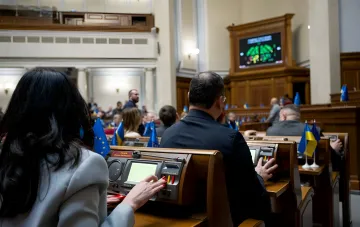
The atmosphere in parliament during the vote was contradictory. Deputies from the presidential faction "Servant of the People" saw off the outgoing Prime Minister with applause, expressing their support. However, the opposition did not remain on the sidelines of ironic comments. Leader of the "Batkivshchyna" party Yulia Tymoshenko directly asked the hall: "Why are you firing such a wonderful government that the whole hall is applauding?". According to her, the applause is caused only by the fact that members of the cabinet are "wonderful, communicative, sympathetic people", but in reality they "solve nothing in this country".
Similar sentiments were expressed by Petro Poroshenko, leader of the "European Solidarity" party. He called what was happening "madness", asking his colleagues: "If you are applauding, why are you sending them to resign? If they are so good, why didn't you let them work for a year?".
Farewell Speech and Session Format
The discussion of the resignation issue itself took place under a strict agenda. Speaker of the Verkhovna Rada Ruslan Stefanchuk immediately after the start of the consideration of the issue announced that the discussion would take place without questions from deputies. This decision caused indignation among some parliamentarians. Deputy Dmytro Kostiuk tried to initiate a discussion of the speaker's decision by the entire chamber, but his proposal was rejected.
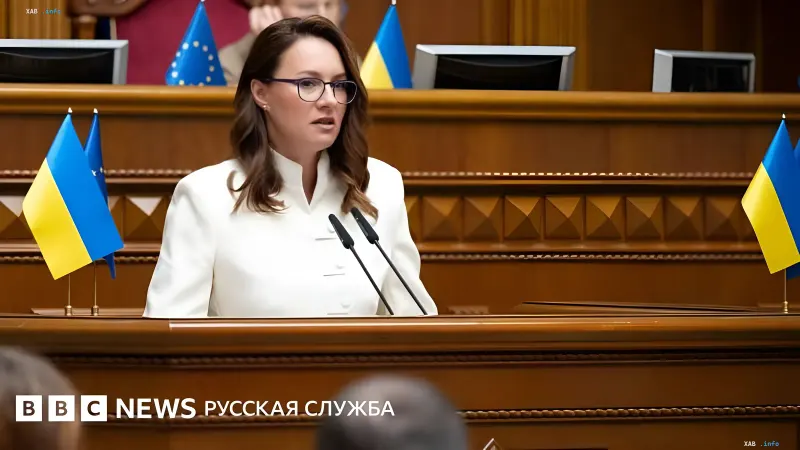
The floor was given only to Yulia Sviridenko. The Prime Minister asked to perceive her speech not as a report, but as a thank you. She emphasized that for a year of work the government did "everything possible, and sometimes impossible" in areas ranging from energy to medicine. In her farewell, she thanked Ukrainians for their resilience, the president for his trust, and fellow deputies for their cooperation. Stefanchuk, for his part, noted an example of "very good communication" between parliament and the cabinet of ministers.
The Shadow of "Mindichgate" and Political Background
Despite the warm words, criticism of the cabinet did not bypass the issue of corruption. Deputy from the "Holos" party Yaroslav Zheleznyak stated that the government should have resigned back in November when details of the case, dubbed "Mindichgate", became known. Poroshenko also called the outgoing composition the "Mindichgate government".
The scandal erupted at the end of last year after the publication of recordings of negotiations where kickbacks were discussed. The key figure was businessman Timur Mindich, whom the media called a friend of President Zelensky. One of the suspects in the case was Minister of Justice Herman Galushchenko.
Yulia Sviridenko, a 40-year-old woman, became the second post-Soviet Prime Minister of Ukraine. She held the post for a year, having been appointed in July last year. Previously, she worked as Deputy Head of the President's Office of Andriy Yermak. Political scientists note that Yermak's shadow always hung over her, although when he resigned, she did not stand up for her former patron.
Who Will Be Next?
The question of the successor is already on the agenda. According to the BBC Ukrainian Service, the candidacy of the new Prime Minister may be submitted to the Rada as early as Wednesday, and the vote will take place the next day. One of the main favorites is the head of "Naftogaz" Serhiy Korytskyi. Political life in Ukraine continues to change rapidly, and new appointments will be crucial for the country's future course.