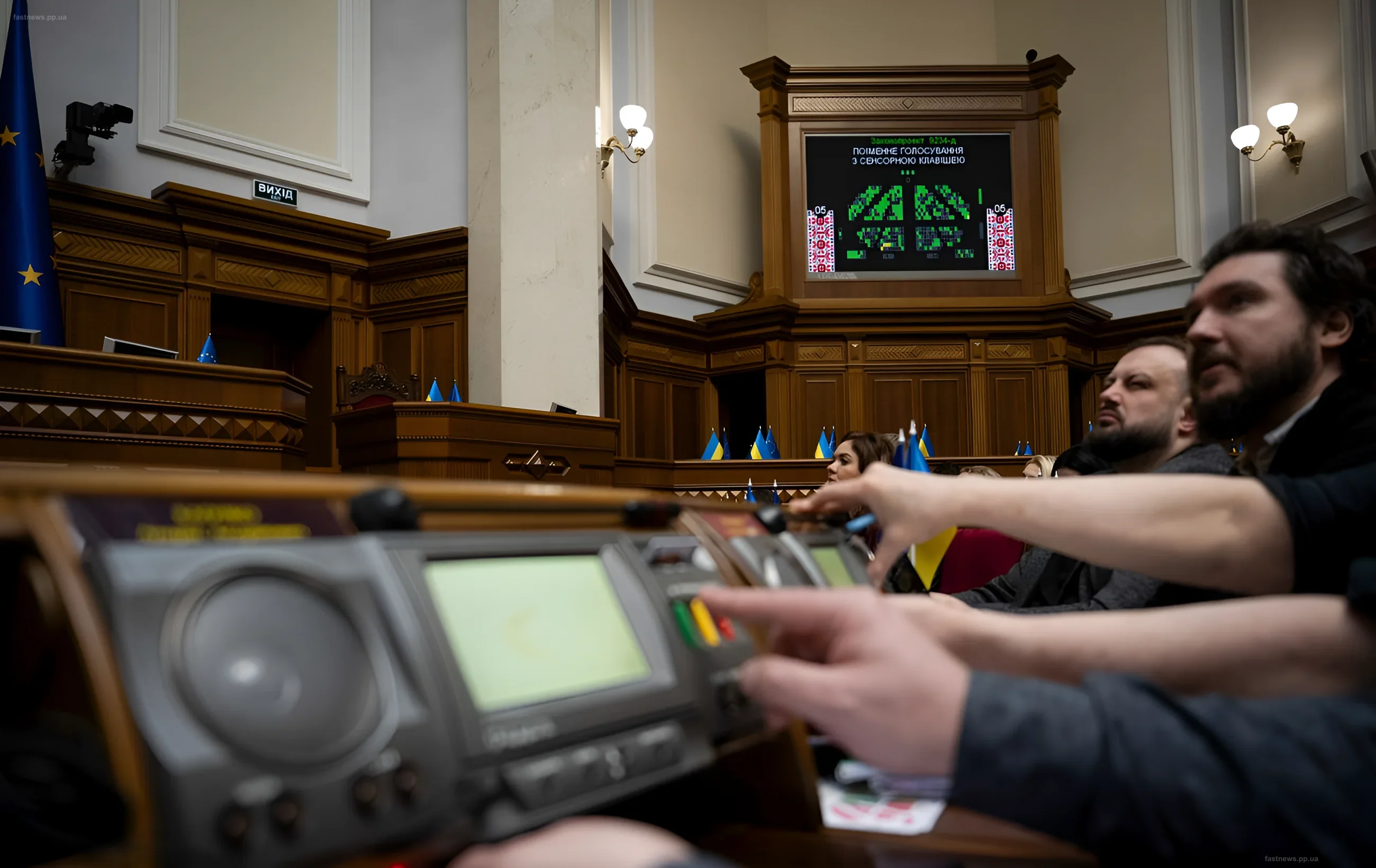
A real breakthrough in social policy has occurred in the Verkhovna Rada of Ukraine. On May 28, the parliament adopted in principle Draft Law No. 15094, which introduces a fundamentally new support mechanism — basic social assistance. This is not just another payment, but an attempt to rethink the very philosophy of the interaction between the state and citizens in difficult life situations.
From fragmented payments to a unified system
For a long time, the Ukrainian social protection system resembled a complex puzzle made of many small payments. Single mothers, large families, or parents not receiving alimony were often forced to collect various benefits "bit by bit." The new law proposes to combine these flows into a single, unified form of assistance.
The essence of the reform is simple and transparent: a low-income family submits one application and receives support that replaces a number of existing payments. This simplifies the bureaucratic procedure and makes the system more understandable for citizens.
Who falls into the new category of recipients?
The draft law expands the circle of aid recipients. Now support will be available not only to those who already receive benefits but also to those who previously fell out of the system. In particular, the right to basic assistance will be granted to citizens of pension age who lack the necessary insurance record for pension assignment. This decision closes one of the most painful social gaps.
How much will be paid?
The amount of the payment will be tied to the base amount, fixed annually in the state budget law. However, legislators have specified an important "floor" — the amount cannot be lower than the subsistence minimum for able-bodied persons. From January 1, 2026, this threshold is 3,328 hryvnias. Thus, the state guarantees that assistance will be real and sufficient to cover basic needs.
European approach: assistance, not just money
The main innovation of the draft law is the rejection of passive consumption of benefits. The new system is based on the principle of individual needs assessment. Specialists will analyze the situation of a specific family and draw up a personalized plan for providing social services.
The key goal is not just to hand out money but to stimulate able-bodied recipients to return to the labor market. The state takes on the role of a mentor, helping citizens achieve financial independence. This is a direct transfer of advanced European experience to the Ukrainian reality.
Financial provision of the reform
The question of "where to get the money" has been resolved at the macro level. The Verkhovna Rada has already ratified a large-scale credit agreement with the European Union for up to 90 billion euros for 2026–2027. A significant part of these funds is allocated to budgetary support and social spending, creating a financial basis for the implementation of ambitious social protection reform plans.


