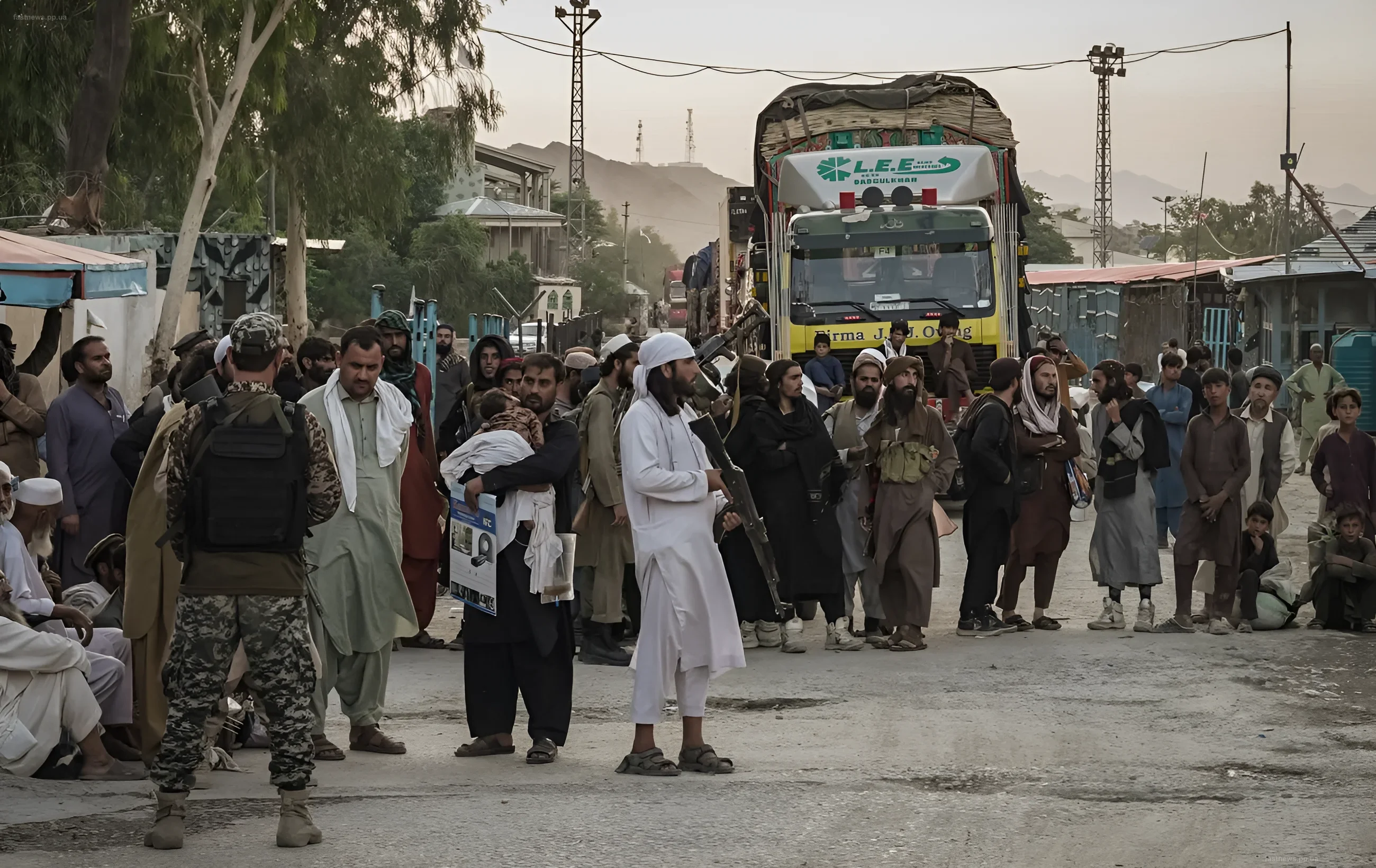
The geopolitical map of Central Asia is undergoing radical changes. As part of the International Security Forum held on May 27 in the Moscow region, Russia and the Taliban movement (banned in Russia) moved from diplomatic maneuvers to concrete actions: an agreement on military-technical cooperation was signed. This step marks a final paradigm shift in Moscow's relations with the de facto government of Afghanistan.
Change of Vector: From Isolation to Strategic Alliance
The document, details of which remain classified, became the logical conclusion of a series of steps taken by Moscow in recent months. Back in April 2025, the Supreme Court of Russia suspended the ban on the activities of the Taliban within the country, effectively legalizing the organization. This legal maneuver became a necessary condition for moving to a new level of interaction.
Afghan Defense Minister Mohammad Yakub, meeting with Russian Security Council Secretary Sergei Shoigu, confirmed that bilateral cooperation had been significantly expanded. Official Kabul is no longer perceived by Moscow as an isolated enclave but is viewed as a key player in regional security.
Open Dialogue and Hidden Goals
The rapprochement between the two sides was not sudden. On May 14, speaking in Bishkek, Sergei Shoigu openly stated that dialogue had been established and a full-fledged partnership was being built. He called on other states in the region to follow Russia's example and expand contacts with Kabul, signaling Moscow's readiness to take on the role of guarantor of stability in Afghanistan.
The content of the signed agreement remains closed, however, experts suggest that it may involve arms supplies, intelligence exchange, or joint exercises. For Russia, this is a way to secure its borders and gain leverage in a region that has remained a zone of instability for decades.
Military Doctrine in Acceleration Mode
The rapprochement with the Taliban is taking place against the backdrop of a general tightening of Russian military rhetoric and an expansion of the powers of law enforcement agencies. The State Duma gave President Vladimir Putin the right to send the army abroad in the event of the detention of any Russian citizen. This innovation significantly expands the possibilities for the use of military force in the interests of protecting compatriots.
Furthermore, the Institute for the Study of War is recording an unprecedented buildup of Russia's nuclear potential — growth rates not seen since the Cold War. It seems Moscow is preparing the ground for a new era of global confrontation, where Afghanistan becomes one of the key elements of the strategic triangle.


