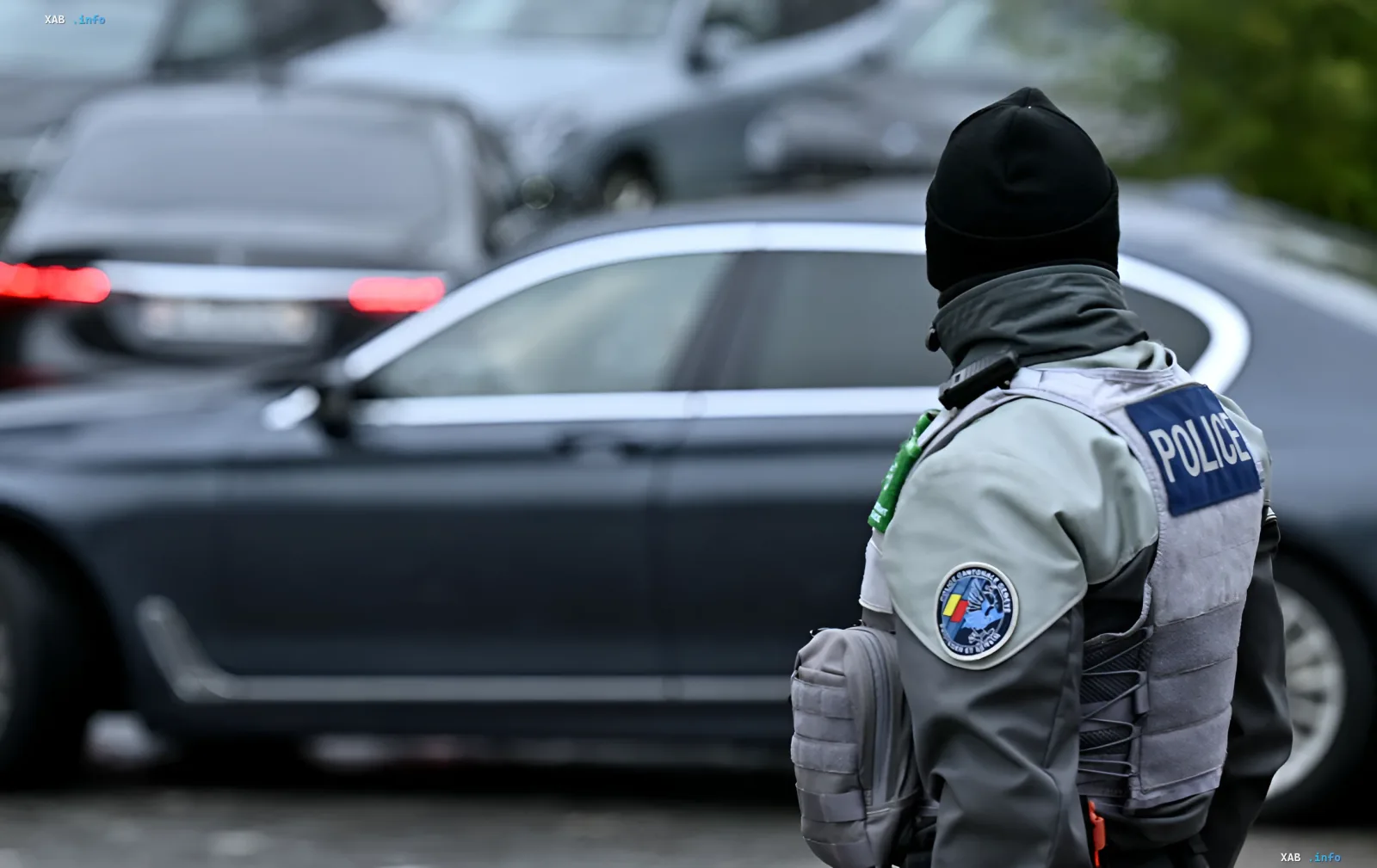
In Geneva, Switzerland, just one day before the start of the "Group of Seven" (G7) summit, large-scale events unfolded. Thousands of people took to the streets of the city to express their disagreement with the policies of world leaders. The protest action, which began the day before, escalated into clashes with law enforcement agencies, and authorities were forced to introduce unprecedented security measures.
Mass March and Diversity of Demands
The action, in which police estimate about 20,000 people participated, gathered a wide range of social groups on the shores of Lake Geneva. Environmental and feminist organizations, opponents of imperialism, activists supporting independent media, and supporters of Palestinian rights joined the demonstration.
Participants gathered in a park before beginning a march through the city center. A boat sailing on the lake with "No G7" written on its sail became the visual symbol of the protest. Among the crowd, a group of young people in black clothing and masks was spotted, as well as placards with the inscription "Antisemitism — never; antisemitism — always".
Escalation of Violence and Police Response
The peaceful nature of the march quickly gave way to tension. Wooden fences were damaged and building windows were smashed along the demonstration route. In response to attacks by individual participants, the police used tear gas.
Alexandre Briaire, a representative of the Geneva police, confirmed that following a series of incidents, law enforcement officers ordered the protesters to disperse. The situation required a firm response to prevent further damage to the city's infrastructure.
State of Emergency and Border Closures
In the run-up to the three-day meeting of G7 leaders, which will take place in the French resort town of Évian-les-Bains, the authorities of France and Switzerland mobilized thousands of police officers. Security became an absolute priority: on the border between the two countries, only seven out of 35 vehicle checkpoints remained open.
Authorities blocked several roads and introduced a ban on unauthorized gatherings. Entrepreneurs, fearing riots, boarded up shop windows and business premises with wooden shields. Similar security measures were applied during the G7 summit in Évian in 2003. Authorities promised compensatory support to businesses that might suffer losses due to restrictions and possible conflicts.
Political Context: Ukraine and Trump
Against the backdrop of street riots in Geneva and Évian, a serious diplomatic game is unfolding. As expected, European leaders during meetings with US President Donald Trump on the sidelines of the G7 summit will try to secure his support for advancing new peace negotiations between Ukraine and Russia.
Ukraine and European leaders intend to convince Donald Trump of three key points, which will become the center of discussions at this summit. The success of these negotiations may depend not only on diplomatic efforts but also on how effectively authorities can control the situation on the streets, where protesters are demanding change.


