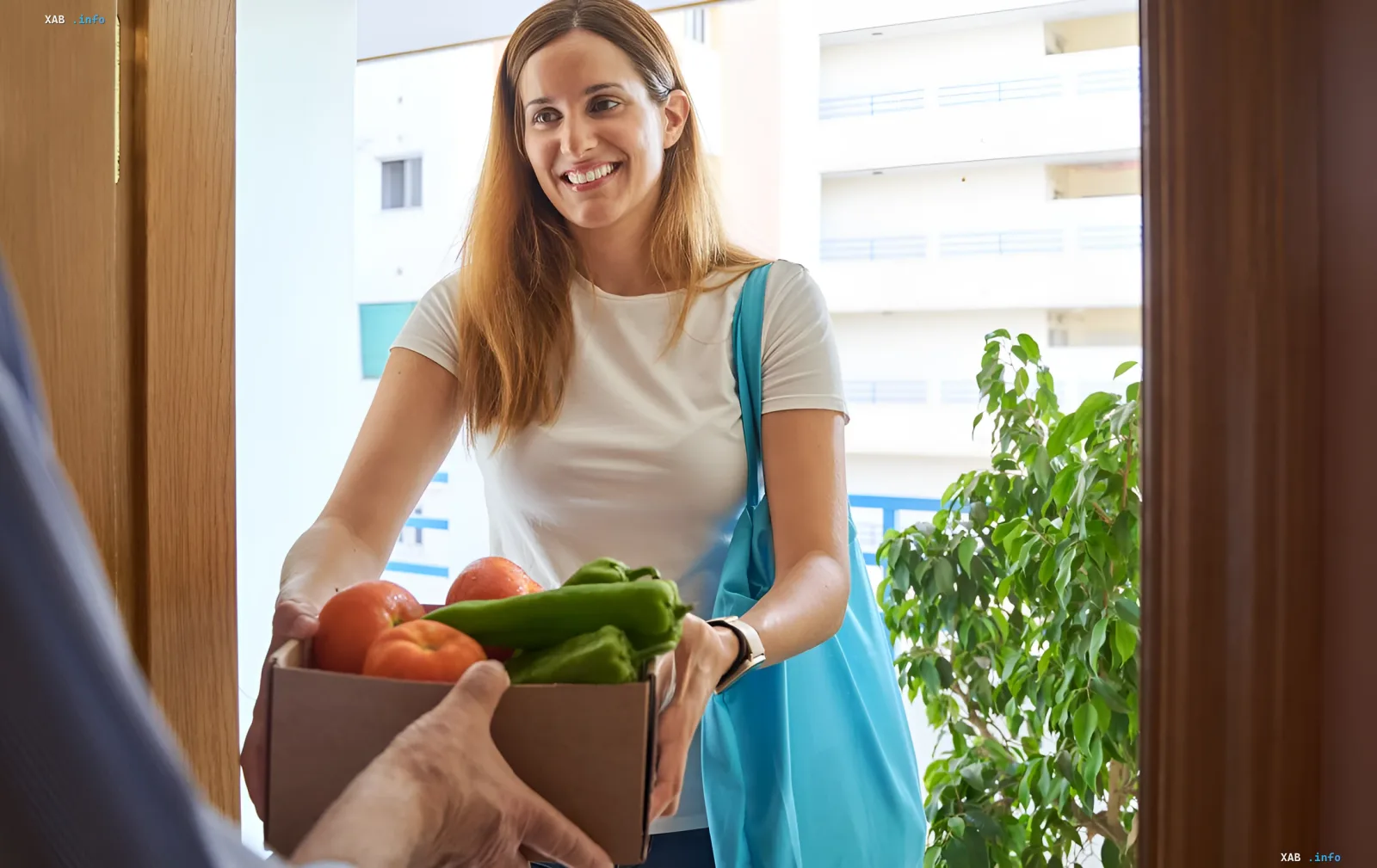
Ukrainians are increasingly moving daily tasks into the digital space: groceries are ordered not only through the websites of major chains but also via messengers, social media, and classifieds boards. It is convenient, fast, and often cheaper. However, behind the facade of "direct delivery" may lie the absence of official seller registration — and this puts the buyer's rights at risk.
Who sells food online and why it matters
The State Food and Consumer Safety Service of Ukraine has recorded an increase in the sale of food products through informal channels. More often, customers turn to private individuals who are not registered as economic entities. At first glance — nothing terrible: the seller lives nearby, the goods are fresh, the price is attractive. But if the product turns out to be of poor quality, expired, or even dangerous to health, it will be extremely difficult to protect oneself.
State supervision, according to current legislation, applies only to officially registered economic entities. That is, if the seller is an individual without the status of an entrepreneur or legal entity, then neither inspection, nor complaint, nor refund is guaranteed.
What should be on the product page
Specialists from the State Food and Consumer Safety Service remind: before placing an order, you should check not only photos and reviews, but also basic information about the seller and the product. The product page must necessarily indicate:
- Product name;
- Ingredients;
- Storage conditions;
- Information about the market operator responsible for the accuracy of the data.
If this information is missing — it is a red flag. A seller who hides their data or does not provide mandatory information may be selling products of unknown origin or poor quality.
Why it is worth spending a few minutes to check
According to experts, a minute or two spent studying the seller's profile can save you from serious problems. Legal sellers openly provide information about themselves and the products they sell. They are not afraid of questions — because they work according to the rules.
Choosing such sellers is not just a matter of safety. It is a way to support honest business and create an environment where every buyer is protected by law.
Previously, the department reminded about the rules for choosing fish and oil
Recently, the State Food and Consumer Safety Service published recommendations for the safe selection and storage of fish: how to determine freshness, why the temperature regime is important, where it is safer to buy, and what requirements to follow when consuming dishes made from raw fish.
The department also explained the rules for buying butter: what to pay attention to when choosing, why it is important to check the packaging and labeling, and called to avoid spontaneous trade.
Today's focus on online sales is a logical continuation of this work. Digitalization should not become a reason to lower safety standards. The buyer has the right to know who is selling them food, where it came from, and how it was stored.


