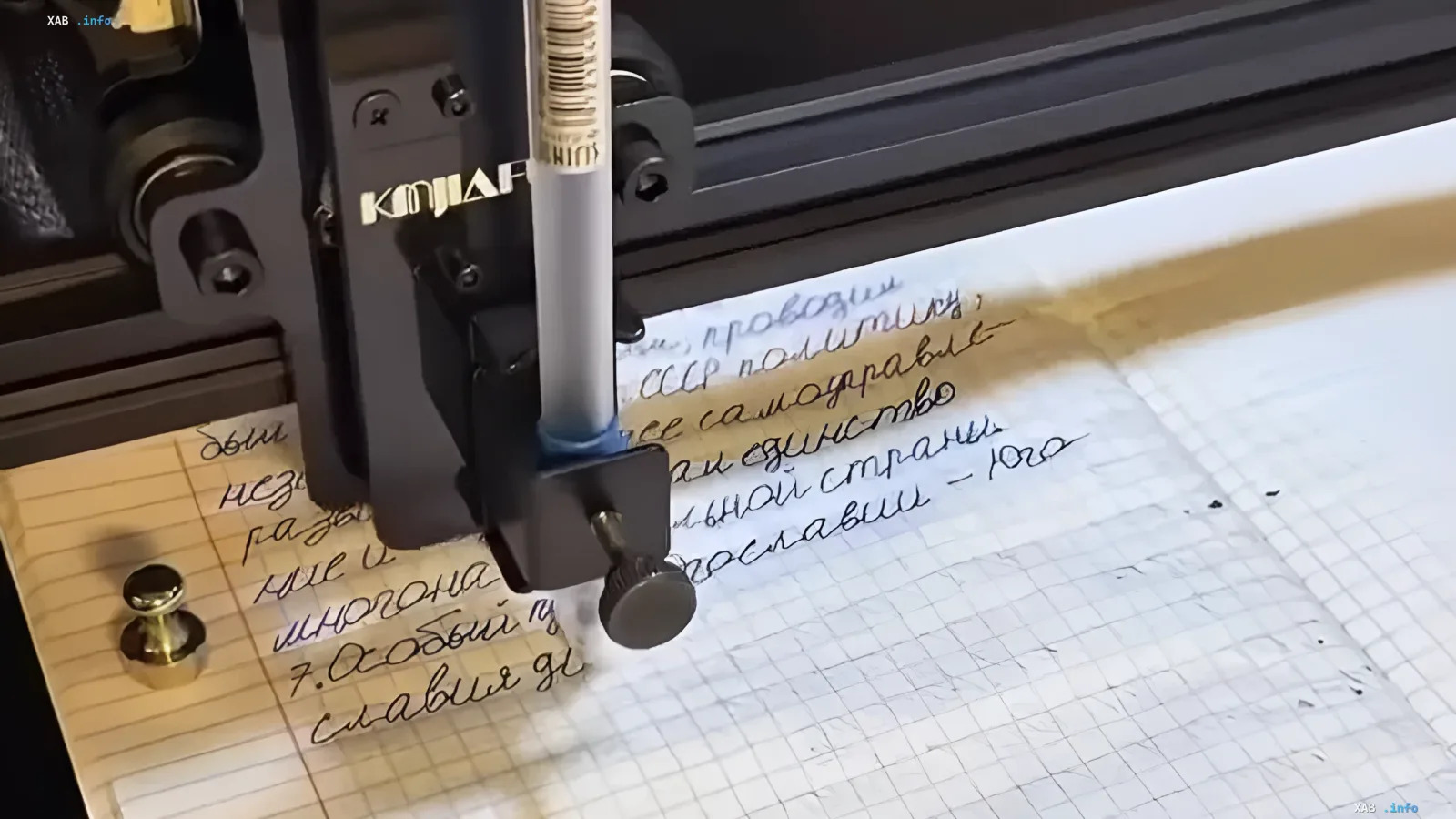
A viral video is rapidly gaining traction across social media platforms, featuring an innovative robot that mechanically copies digital text directly into a paper notebook. This unique device is equipped with a high-precision robotic arm that securely holds a ballpoint pen and replicates human handwriting on paper. The emergence of this development has ignited fierce online discussions, dividing internet users into two opposing camps.
Robot with a pen in hand: a new notebook-writing device sparks intense debate online
Key Points
- A pen-wielding robot can copy computer text directly into physical notebooks.
- The technology saves student time but triggers ethical and educational concerns.
- Handwriting remains critical for memory retention and cognitive development.
Verified Sources
-
What was verified: Опубликовано видео с роботом, переписывающим текст в тетрадь, что вызвало активные обсуждения в сети о пользе и вреде технологии.
Frequently Asked Questions (FAQ)
What does the robot do in the viral video?
The robot uses a specialized mechanism and a pen to copy digital text from a computer screen into a paper notebook.
What advantages do supporters see?
It saves students time by eliminating the tedious task of manually rewriting massive amounts of lecture notes.
What are the experts' main concerns?
Psychologists fear that abandoning handwriting could impair students' memory, cognitive skills, and independent thinking.