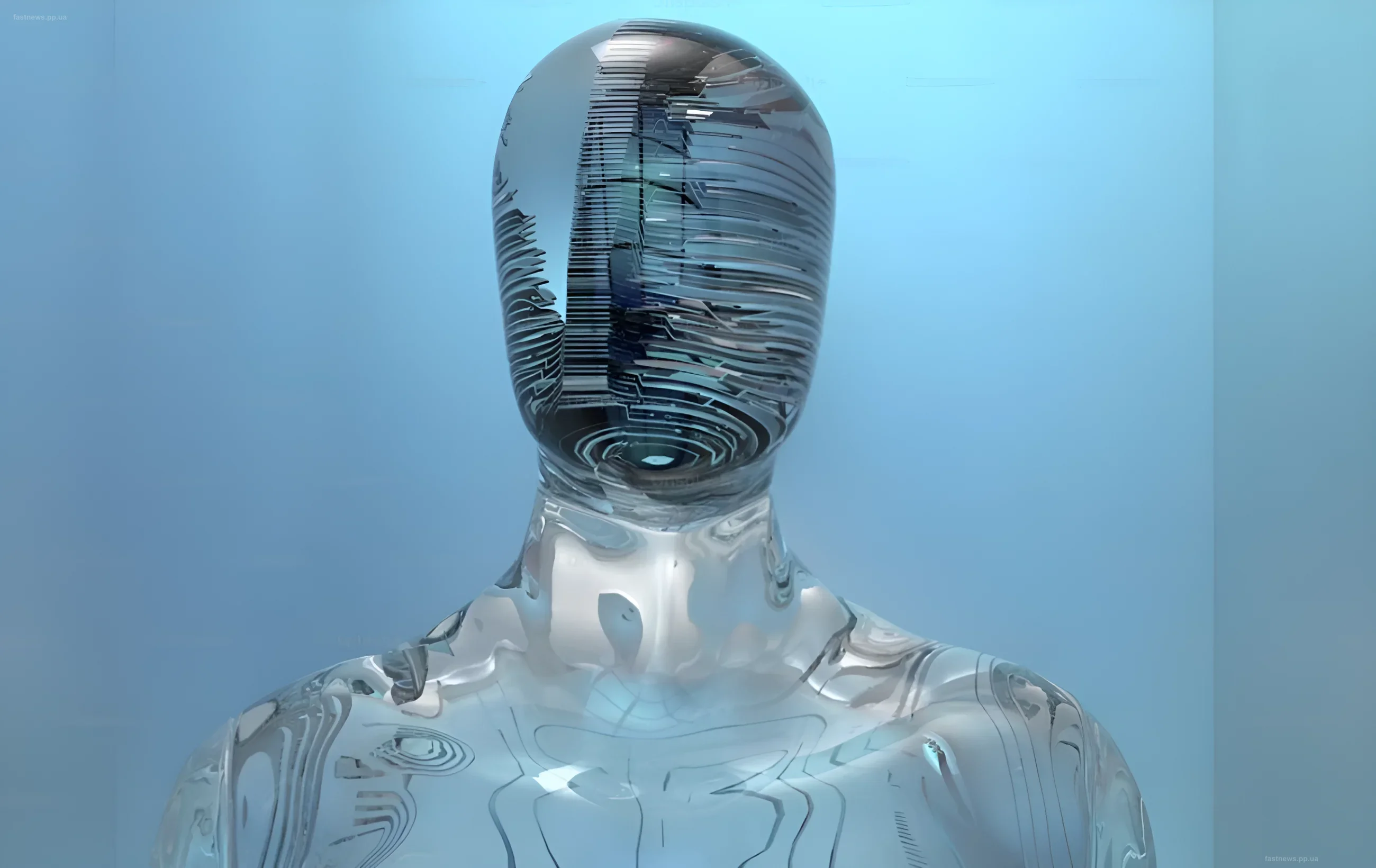
Humanoids Summit Tokyo 2026 concluded in Tokyo — an event that was supposed to showcase Japan's technological superiority. Instead, the world witnessed a scenario familiar from the history of electronics and the automotive industry: Japan once again found itself in the role of "Galapagos," where unique developments lose competitiveness in the face of mass Chinese expansion.
The Galapagos Effect Returns
Analysts observing the summit note a worrying trend. Japanese giants like Honda, Toyota, and Boston Dynamics continue to create expensive, idealized prototypes, closing themselves off in their laboratories. While engineers from the Land of the Rising Sun perfect single units, Chinese startups — Booster Robotics, LimX Dynamics, and others — take ready-made concepts, optimize them for mass production, and flood the market with cheap solutions.
Democratization of Robots
A striking example of this strategy is the bipedal robot Mini Pi Plus from High Torque. It not only performs functions but also knows how to dance, attracting attention at exhibitions. At the same time, its price starts from $5,500, making it accessible to small businesses and the entertainment industry. While Japanese analogues cost many times more, Chinese models are already moving beyond laboratories.
Chinese Heart of a Japanese Robot
Paradoxically, even projects developed in Japan are increasingly dependent on Chinese technologies. For example, the Japanese company GMO is creating a humanoid for JAL airports, which is supposed to replace people in cargo sorting. However, the "heart" of this robot — biomechanics, platform, and even cameras — is the product of the Chinese firm Unitree, known for its robot dogs for space research.
Philosophy of Coexistence
Despite technological pressure, Japan maintains a unique approach to robotics. Professor Hiroshi Ishiguro from Osaka University presented his precise robot-clone Geminoid at the summit. Dressed in black, like the scientist himself, the android answered philosophical questions with a monotonous but natural voice: "Robots are a mirror of human existence".
Ishiguro does not see a threat in Chinese dominance. According to Pew surveys, only 28% of Japanese people fear the development of AI and robots — compared to 50% in the US. For Japanese people, robots are not a threat, but friends and assistants. This is a cultural foundation that allows the country to be an ideal testing ground for integrating androids into everyday life.
The Future is Already Here
The summit in Tokyo showed: the era of fantastic humanoids is over. Now this is reality, available in terms of price and scale. Japan retains leadership in the field of design and interaction philosophy, but China has already captured the production market. Who will win this race — time will tell. But one thing is clear: robots are no longer just toys for engineers. They are becoming part of society.


