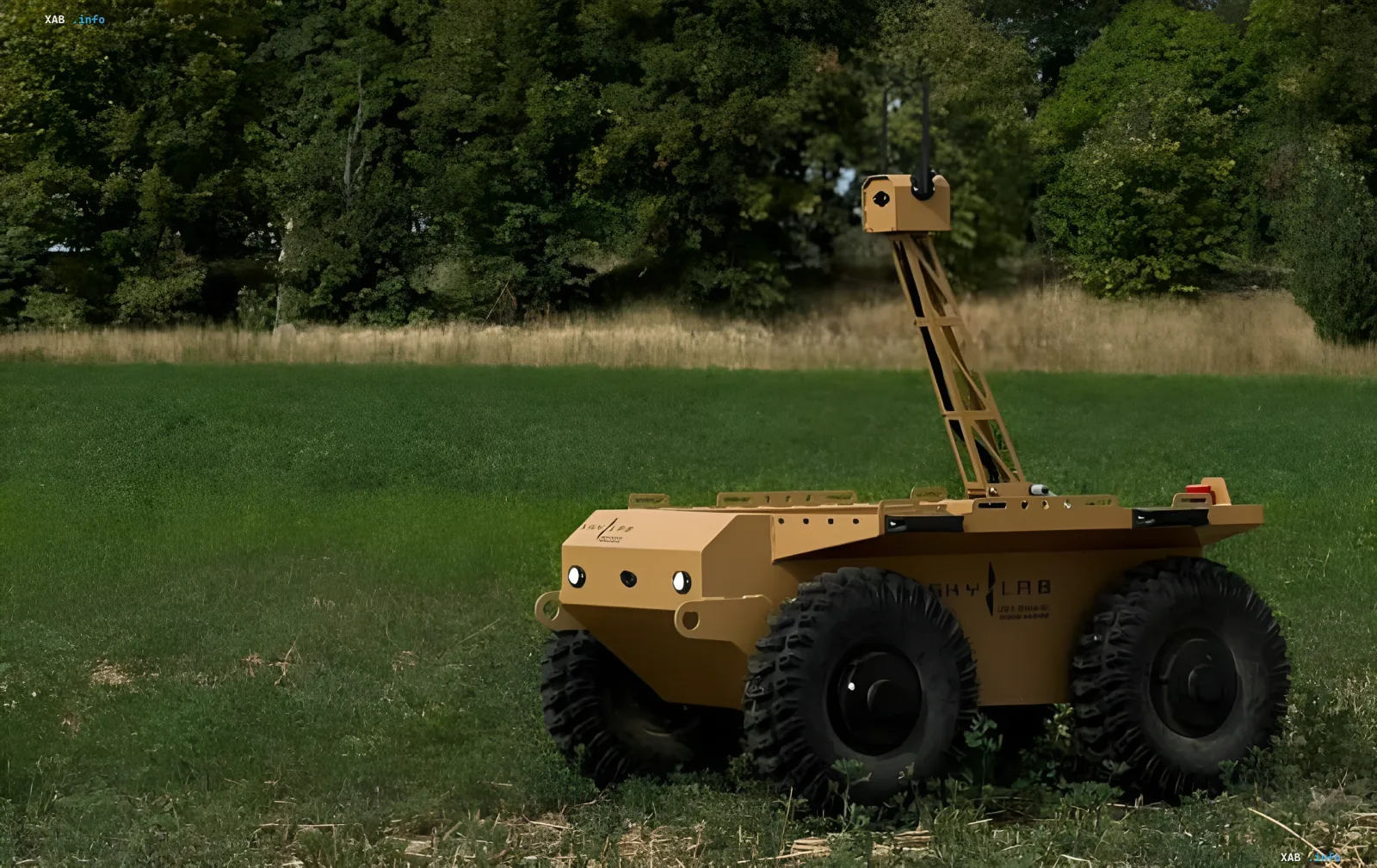
On the modern front, the war is entering a new phase where autonomous machines are replacing traditional logistics. Ukraine is rapidly increasing the number of ground combat robots, entrusting them with the most dangerous tasks: from delivering ammunition under fire to evacuating the wounded. This transition is dictated by a harsh reality: dense minefields, artillery shelling, and the mass use of drones have turned supply lines to the front into one of the most risky missions.
The Cost of Error and the Necessity of Replacement
Andrei Kushnerov, a platoon commander of the 59th Separate Assault Brigade of the Ukrainian Armed Forces, highlights the main problem: "If you send a human driver to deliver such things, there is a huge probability that he will be killed". This is why the Ukrainian army is increasingly replacing humans with ground unmanned platforms. They take on the roles of couriers, medics, and even scouts, reducing human casualties.
Industrial Leap and Production Scale
One of the key players in this market is the Ukrainian company Ratel Robotics. General Director Taras Ostapchuk noted that the evolution of their products has been rapid: the first robot, created at the end of 2023, was a simple self-propelled platform with anti-tank mines. Today, the enterprise produces hundreds of unmanned vehicles monthly.
The scale of production is staggering. In the first half of 2026, Ukraine ordered 25,000 ground robots — twice as many as in the entire previous year. By the end of the year, another 50,000 such machines are planned to be manufactured. According to President Volodymyr Zelenskyy, since the beginning of the year, robots of Ukrainian production have already completed more than 50,000 missions.
Accessible Technologies and Variety of Models
Today, about 280 manufacturers operate in Ukraine, creating more than 550 models of ground robots. The cost of such systems ranges from $2,000 to $40,000 depending on size and functionality. Modern platforms are capable of transporting hundreds of kilograms of cargo, laying mines, launching FPV drones, and performing strike tasks.
Andriy Grytsenyuk, General Director of the state platform Brave1, summarizes the strategy: "We must not risk our soldiers. Everything that can be replaced by drones, we replace with drones".
Vulnerability and the "Consumable" Nature of Equipment
Despite technological progress, ground robots remain vulnerable. According to Kushnerov, near the front line, a machine usually withstands only five to ten missions. However, these are losses that Ukraine is willing to incur if it allows saving a soldier's life. To increase survivability, manufacturers have begun installing anti-fragmentation armor and developing protection systems against FPV drones.
The New Nature of War
Ukrainian military personnel note that the mass use of cheap unmanned systems is changing the very essence of combat operations. The commander of the unmanned systems company of the "Kraken" regiment, callsign "Greek", asserts that robots increase the army's "operational endurance" as they do not get tired and can work where the risk to humans is too high.
Experts believe that Ukraine's experience will be an important lesson for the whole world. The outcome of future conflicts may be determined not only by expensive high-tech systems but also by the ability to quickly produce large batches of relatively inexpensive platforms that can be easily replaced if lost. A CBRN officer from the 32nd Steel Brigade, callsign "Witcher", has already created a unique company with robots, demonstrating how quickly the army adapts to new realities.


