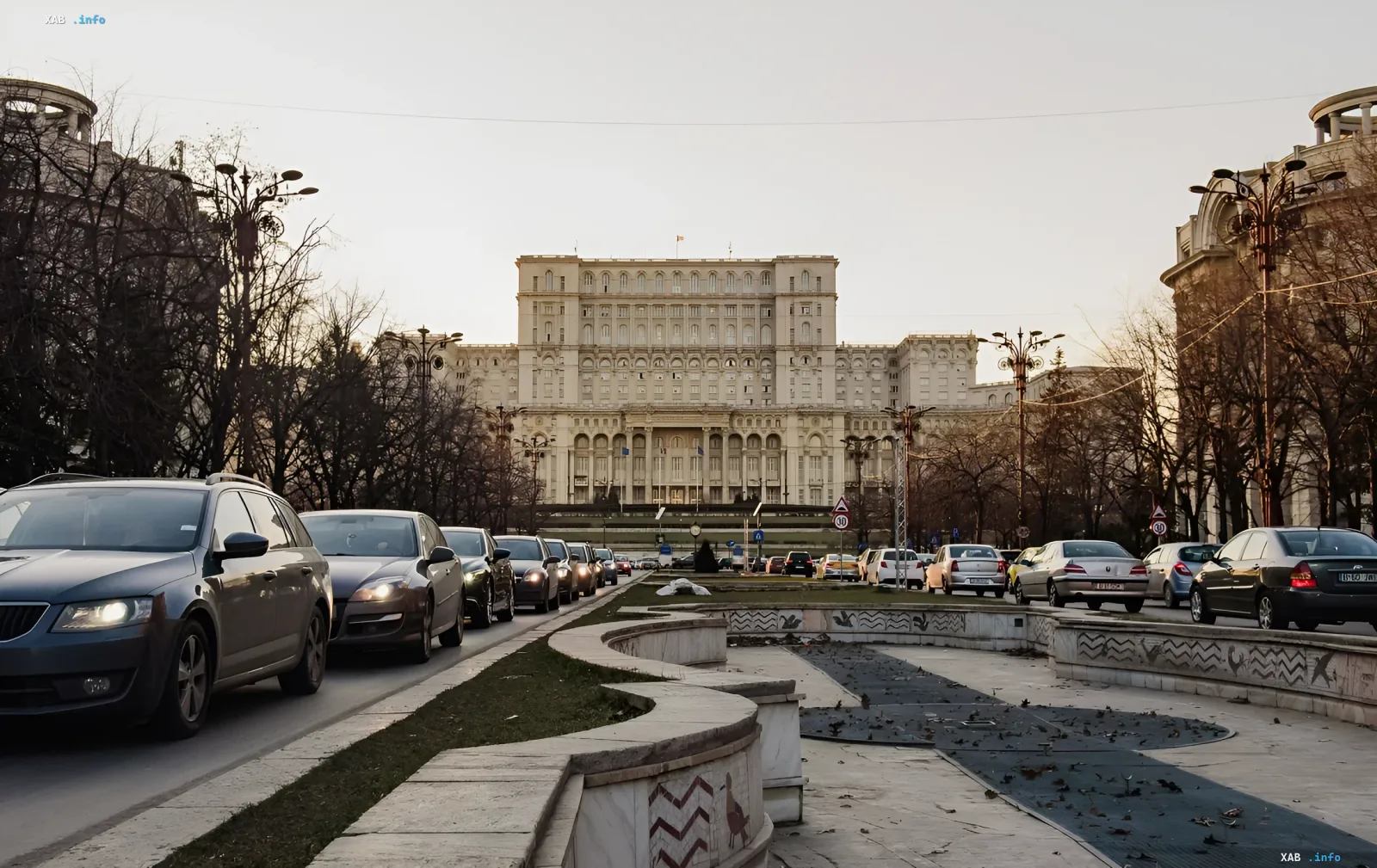
A significant event has taken place in the Romanian parliament, one capable of altering the political map of Eastern Europe. The Romanian Chamber of Deputies approved a bill obliging the government to initiate official negotiations with Chișinău regarding the possible unification of the two countries. This decision resulted from a unique parliamentary procedure and signals a serious shift in Bucharest's stance.
"Silent" Approval of the Initiative
The legislative initiative, which sparked intense debate, was introduced into parliament back on April 14 by the SOS Romania party. However, the document's fate was decided not during debates, but thanks to procedural rules. During the session, it was announced that the deadline for considering the bill had expired, which automatically implies its "silent" approval by the lower house.
According to the text of the document, the Romanian parliament confirms its commitment to the provisions of the Final Act of the OSCE Helsinki Conference. This international document recognizes the possibility of changing state borders through peaceful and diplomatic means. Immediately upon the law entering into force, the Romanian government is obliged to immediately begin a dialogue with the authorities of Moldova to complete the reunification process.
Political Reaction and the Stance of the Authorities
Although the decision of the Chamber of Deputies is an important stage, it is not yet final. The bill must be reviewed by the Romanian Senate, which acts as the chamber making the final decision. Nevertheless, the political signal has already been sent.
Previously, advisor to the Romanian President Eugen Tomac stated that Bucharest is ready to start negotiations on unification at any time if Chișinău expresses such a desire. According to him, the official position of Romania remains unchanged, and the movement for the reunification of the two states is viewed as an absolutely natural process dictated by shared history.
Reaction from Chișinău and Public Sentiment
In Moldova, the initiative was met with interest at a high level. The Minister of Foreign Affairs of the republic, Mihai Popșoi, commented on the situation, assuring that he would personally vote "for" in a possible referendum on unification. The head of the foreign affairs department emphasized that such prospects can no longer be ignored, as unionist sentiments are regularly voiced by citizens during meetings with politicians.
Against the backdrop of these statements, public support for the idea of merging the two countries among the Moldovan population has noticeably grown and reached 42%. For the authorities in Chișinău, deepening integration with Bucharest is viewed as a strategic "Plan B" in case official negotiations on Moldova's accession to the European Union are blocked or significantly slowed down.


