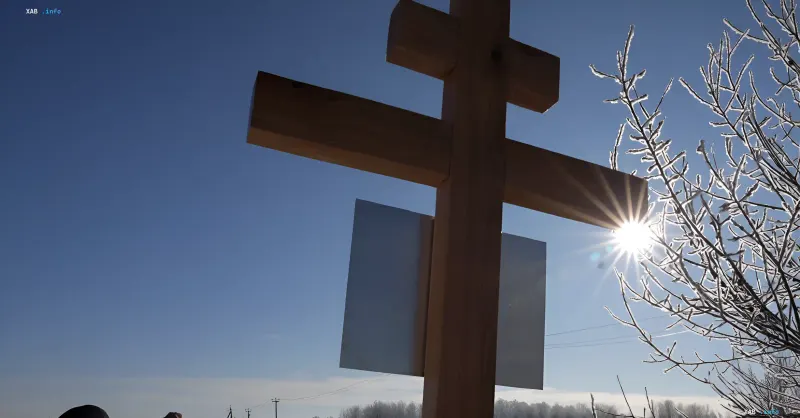
A data leak from Russia's state statistical service, Rosstat, revealed on November 1, 2026, has demonstrated the unprecedented scale of human losses suffered by the Russian army over nearly five years of full-scale invasion in Ukraine. According to data obtained by the Belarusian opposition hacker group Cyber Partisans and the Ukrainian hacker collective Silent Crow, the Rosstat database contained over 11 million death certificates, of which 412,576 were directly linked to military actions—via official cause-of-death codes or text mentions of combat operations. Rosstat confirmed the breach, but stated that confidential information was not compromised. The data was handed over to The Guardian and several other outlets, with publication taking place over the weekend.
Figures Moscow Has Concealed Since 2015
Russian authorities have not published official casualty data since the early months of the 2022 invasion. Back in 2015, President Vladimir Putin signed a decree classifying information on military losses incurred "in peacetime during special operations" or during war as a state secret. The Rosstat leak has become the first such detailed documentary confirmation of the scale of losses. Independent Russian media outlet Mediazona has currently identified by name about 286,000 fallen servicemen, relying on official records, social media obituaries, and gravestone photographs, estimating true losses closer to half a million people. British intelligence in September 2026 also estimated the number of dead Russian soldiers at around 500,000.
"This is the Largest Leak of Russian Casualty Data"
Janis Kluge, head of the Russia and Eurasia research division at the German Institute for International and Security Affairs (SWP), who analyzed the dataset, called it authentic and "very rich." According to him, it is the largest leak of Russian casualty data in history. At the same time, Kluge emphasized that the figures likely underestimate the real scale: some soldiers are listed as missing in action, others have never been identified, and about six months typically pass between actual death and entry into official registries. "Most likely, right now we are closer to 500,000 dead Russian soldiers than 400,000," the expert stated.
Unequal Burden of War: Donor Regions and Megacities
For the first time in such detail, the dataset showed how unevenly the burden of war is distributed across Russia. In Buryatia, Tuva, and the Zabaykalsky Krai—three regions in eastern Siberia—military deaths accounted for about a third of all deaths of men aged 18 to 49 between the start of the invasion and mid-2024. In Moscow and St. Petersburg, the comparable figure was around 10%. Thus, the poorest and most remote regions bear disproportionately high losses, while major megacities remain relatively "sheltered" from the demographic blow of the war.
Accelerating Pace: 500 Deaths a Day
Of particular note is the sharp acceleration in the pace of combat casualties as the conflict drags on. According to Kluge, in certain months of late 2024 and 2025, the number of dead exceeded 15,000—equivalent to about 500 people a day. "In late 2024 and 2025, you see that the numbers in many months are higher than 15,000, and that is more than, I think, most estimates assumed. That is 500 a day, above 500 a day. Definitely shocking," the expert noted. Combined, Russian military losses in Ukraine in less than five years have exceeded by more than eight times the total number of dead in all Soviet and Russian wars from the end of World War II to the start of the full-scale invasion. The figure also exceeds the number of American service members killed during World War II.
Context: Abu Dhabi Talks and No Signs of War Ending
The leak coincided with a new round of peace talks scheduled for this week in Abu Dhabi, where, according to US Secretary of State Marco Rubio, "security guarantees" for a post-war settlement will be a key issue. However, analysts note that the scale of losses recorded in Rosstat data is unlikely to become a factor pushing Moscow toward compromise. On the contrary, experts point out that the growing cost of war for Russian society may, paradoxically, strengthen the Kremlin's hardline stance and reduce the likelihood of a swift end to hostilities.