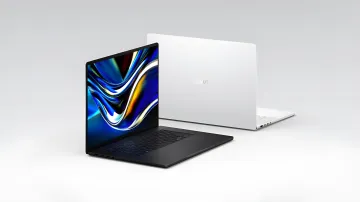
In August 2026, the mobile computing industry stands on the brink of significant changes. NVIDIA's laptop manufacturing partners, particularly the Taiwanese company ASUS, are preparing to launch a whole series of devices based on the new RTX Spark platform. A mass release of these devices is expected towards the end of the current year, serving as a response to the growing demand for mobile workstations capable of running local neural networks.
ASUS Optimism and Record Demand
During a Q&A session following the latest financial report, ASUS representatives stated that they view the prospects of the new platform with extreme optimism. As analyst Brian Ma noted, the market reaction has already exceeded the company's expectations. The initial batch of laptops that ASUS planned to order was fully booked by partners even before the official start of sales. Consequently, the manufacturer is forced to place additional orders, anticipating high sales volumes next year. While the company did not disclose exact figures for pre-orders, the fact that the first batch was fully booked indicates high interest from the B2B sector and enthusiasts.
Technological Breakthrough: 128 GB of Memory and Blackwell Graphics
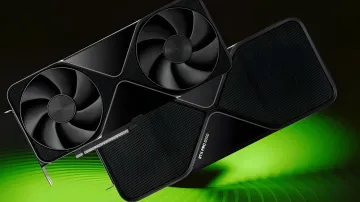
The popularity of the RTX Spark platform is driven by its ability to solve critical problems for modern users regarding memory capacity. The flagship consumer graphics card, the NVIDIA RTX 5090, equipped with 32 GB of video memory, while handling maximum settings in games, often proves limited when running local AI models. In contrast, RTX Spark offers up to 128 GB of unified LPDDR5X memory. NVIDIA claims this volume is sufficient for working with models of 120 billion parameters and a context of up to one million tokens. For professionals, this means the ability to render complex scenes without limitations, while for gamers, it promises Blackwell architecture graphics delivering up to 100 frames per second at 1440p resolution.
CPU Performance and Competition
Despite powerful graphics and memory, the central processor could be a weak point for RTX Spark. The chip, developed jointly with MediaTek and featuring 20 cores, shows a lag behind the competitor M4 Max in Geekbench 7 tests. This lag is observed in both the 18-core and 20-core versions of the processor. Nevertheless, final conclusions about the overall system performance should only be drawn after the first commercial laptops hit the market. The introduction of official platform support in NVIDIA drivers should also ensure further performance gains in demanding projects like Alan Wake 2 and PRAGMATA.
Contradictory Data
Currently, there are differences in interpreting the market position of RTX Spark. On one hand, ASUS's statements regarding record demand and full booking of batches suggest that the platform is finding its consumer, especially in the professional workstation segment. On the other hand, technical tests of the MediaTek processor show a clear lag behind Apple solutions, which could limit the mass popularity of devices among ordinary users focused on general performance rather than just AI tasks. It is too early to say whether RTX Spark will displace competitors like Qualcomm and AMD or occupy a niche of specialized workstations.