
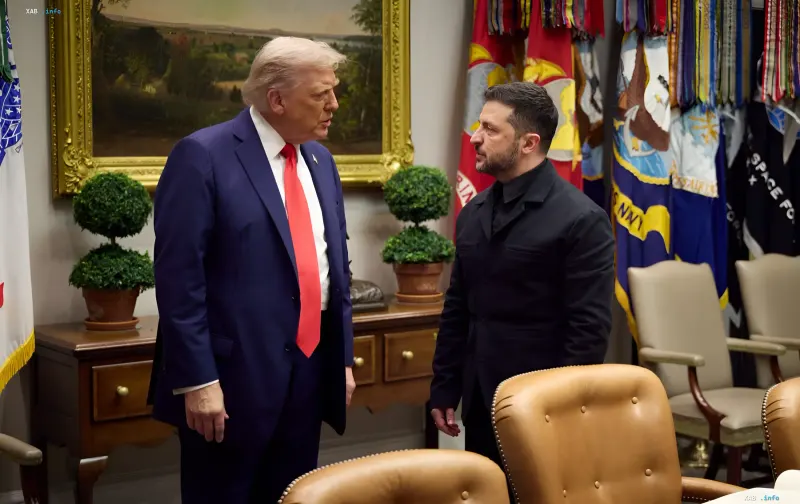
Events in the Ukrainian crisis have entered a new phase, and key players are changing their rhetoric. US Secretary of State Marco Rubio stated directly in Congress that Washington does not consider itself merely a "neutral mediator" in the war between Russia and Ukraine. However, despite the loud words, the real geopolitical picture looks more complicated. Experts and diplomats warn: do not confuse public statements with actual support.
The illusion of alliance and reality
Alexander Khara, Director of the Center for Defense Strategies and an experienced diplomat, commented on the situation for RBC-Ukraine. In his opinion, despite the statements of individual officials, Washington has not yet taken an unequivocal Ukrainian position in the conflict with the Russian Federation.
"Are they on our side? I think it is absolutely obvious that they are not," Khara emphasized. He explained that Marco Rubio, being the most experienced politician in the current administration, is forced to maneuver. He has to balance between loyalty to President Donald Trump and the need to conduct a reasonable foreign policy, while voicing certain positive theses in favor of Kyiv.
White House priorities
The diplomat pointed to historical precedents: Trump stopped arms supplies to Ukraine three times during two terms. At the beginning of the new term, supplies were in fact halted, as was the transfer of intelligence data, as well as weapons purchased by European partners. In addition, a reduction in sanctions pressure on Russia and Belarus is being recorded.
In Khara's opinion, the US is currently not ready for serious support of Ukraine. Washington's priorities have shifted:
- Strengthening its own positions;
- Support for allies in the Middle East;
- Ukraine remains in the "remainder" of the list of interests.
"Unfortunately, in my opinion, the USA are not our allies," the expert concluded.
NATO Summit and "quick victory" for Trump
In July, a NATO summit will take place in Turkey, where Donald Trump and Volodymyr Zelenskyy will go. Alexander Khara does not expect loud statements or open confrontation from this meeting, but neither does he foresee a turning point in US policy.
Trump perceives the Ukrainian issue as a problem that hinders him from restoring relations with Russia for personal or strategic gains. The diplomat believes that the American leader is not capable of strategic thinking and will repeat theses that there would be no wars during his presidency.
Sources in the Ukrainian authorities warn of a possible new campaign of pressure on Kyiv with the aim of concluding a deal with the Russian Federation. The Trump administration is interested in a "quick victory" to boost the ratings of the Republican party ahead of the midterm Congressional elections. However, Khara notes that American voters focus more on their country's economy than on foreign policy.
The Chinese factor: hopes or illusions?
Trump's visit to China deserves special attention, where he personally asked Xi Jinping to help end the war. Trump hopes that Beijing can bring Vladimir Putin back to the negotiating table.
Alexander Khara is skeptical about these hopes. In his opinion, the current situation is beneficial to China: it distracts Western resources from the Indo-Pacific region and makes Russia completely dependent on the PRC.
"China will talk about supporting territorial integrity, but in fact will support the Russian Federation. China cannot allow Russia to lose. Therefore, I do not believe in such a thing," the diplomat concluded.
The expert urges to prepare for pressure and rhetoric, but to try not to worsen relations with the US more than necessary. Even in the event of concessions from Ukraine, Russia is unlikely to agree to peace without achieving a significant result and changing the balance of power in Europe.


