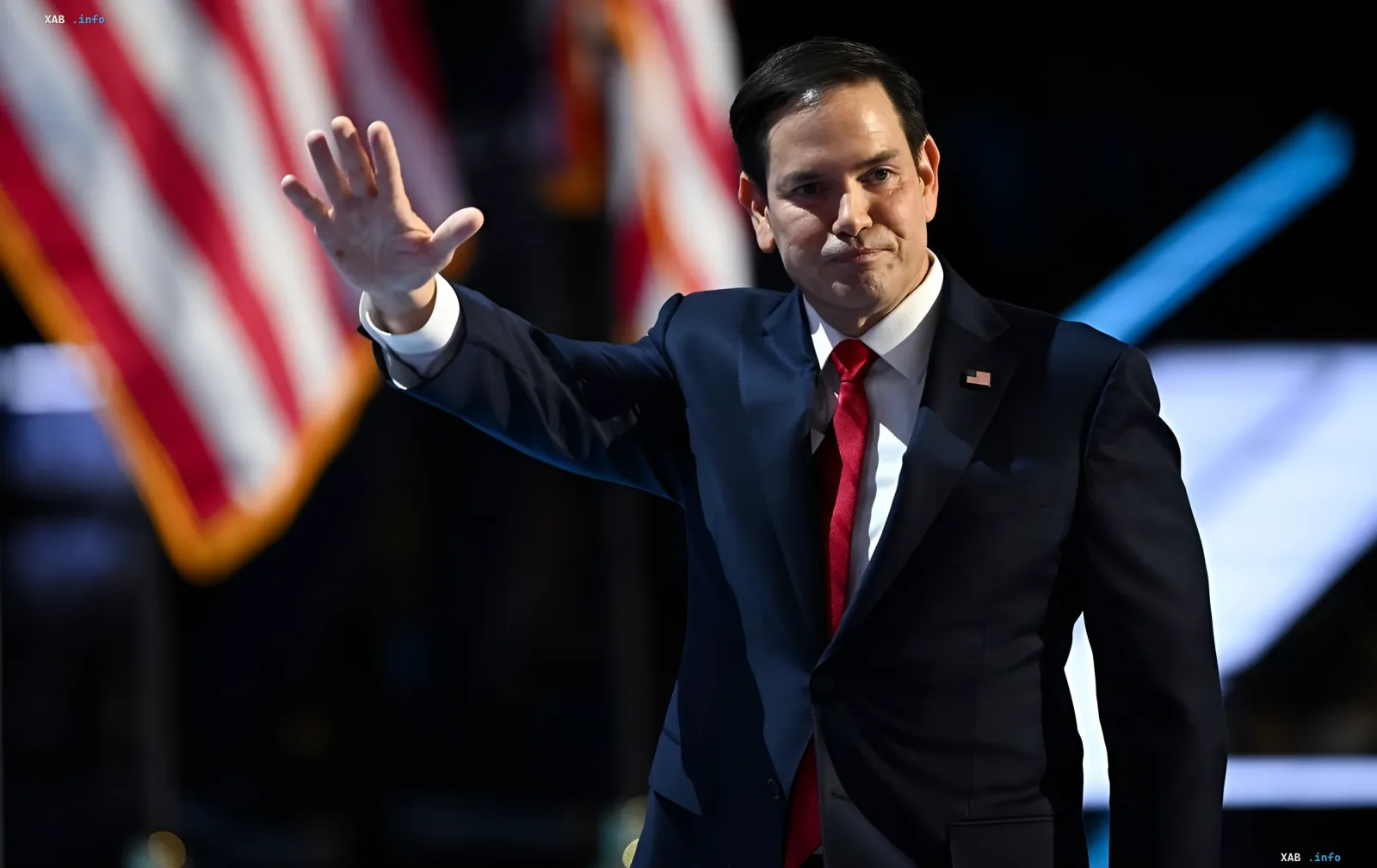
Washington has officially reacted to the results of the parliamentary elections in Armenia. US Secretary of State Marco Rubio congratulated the incumbent Prime Minister Nikol Pashinyan on his decisive victory in a post on the social network X. In his statement, the senior American diplomat emphasized that the United States is ready to continue close cooperation with the Armenian government to achieve peace in the region.
New Vector: The TRIPP Project Under US Aegis
A key element of the future partnership announced by Rubio is the advancement of the goals of the historic Washington Peace Summit. At the center of attention for President Donald Trump's administration is a large-scale infrastructure project — the "Trump Route for International Peace and Prosperity" (TRIPP).
Essentially, this project is a new iteration of the previously discussed "Zangezur Corridor," but now it is being implemented under the direct management and aegis of the United States. The strategic goal of the corridor is to create a continuous transport artery connecting mainland Azerbaijan with its exclave of Nakhchivan and further to Turkey through Armenian territory.
Implementation Conditions: Sovereignty and US Rights
It is important to note the legal and administrative conditions under which this corridor will function. According to the announced plans, the territory through which the route will pass remains sovereign Armenian land. Customs and border control will be carried out exclusively by Armenian authorities in strict accordance with local legislation.
However, the management of the infrastructure and its further development will be taken over by a special company controlled by the US. To implement ambitious plans, Washington has obtained special rights to develop this zone for a period of 99 years. Marco Rubio expressed confidence that joint work will ensure stability and prosperity not only in the South Caucasus but beyond it as well.
Political Context and External Pressure
The US congratulations came against the backdrop of the conclusion of a tense election campaign in Armenia. Nikol Pashinyan's party won with a significant margin over its rivals, although the opposition has officially not recognized the voting results.
The elections took place under conditions of serious external pressure. As previously analyzed by RBK-Ukraine, on the eve of the voting, the Kremlin launched a hybrid campaign against Yerevan. Measures included a ban on the import of Armenian cognac and vegetables, as well as threats to triple gas prices. Despite these challenges, Pashinyan's government retained power and is now receiving support from the new US administration.


