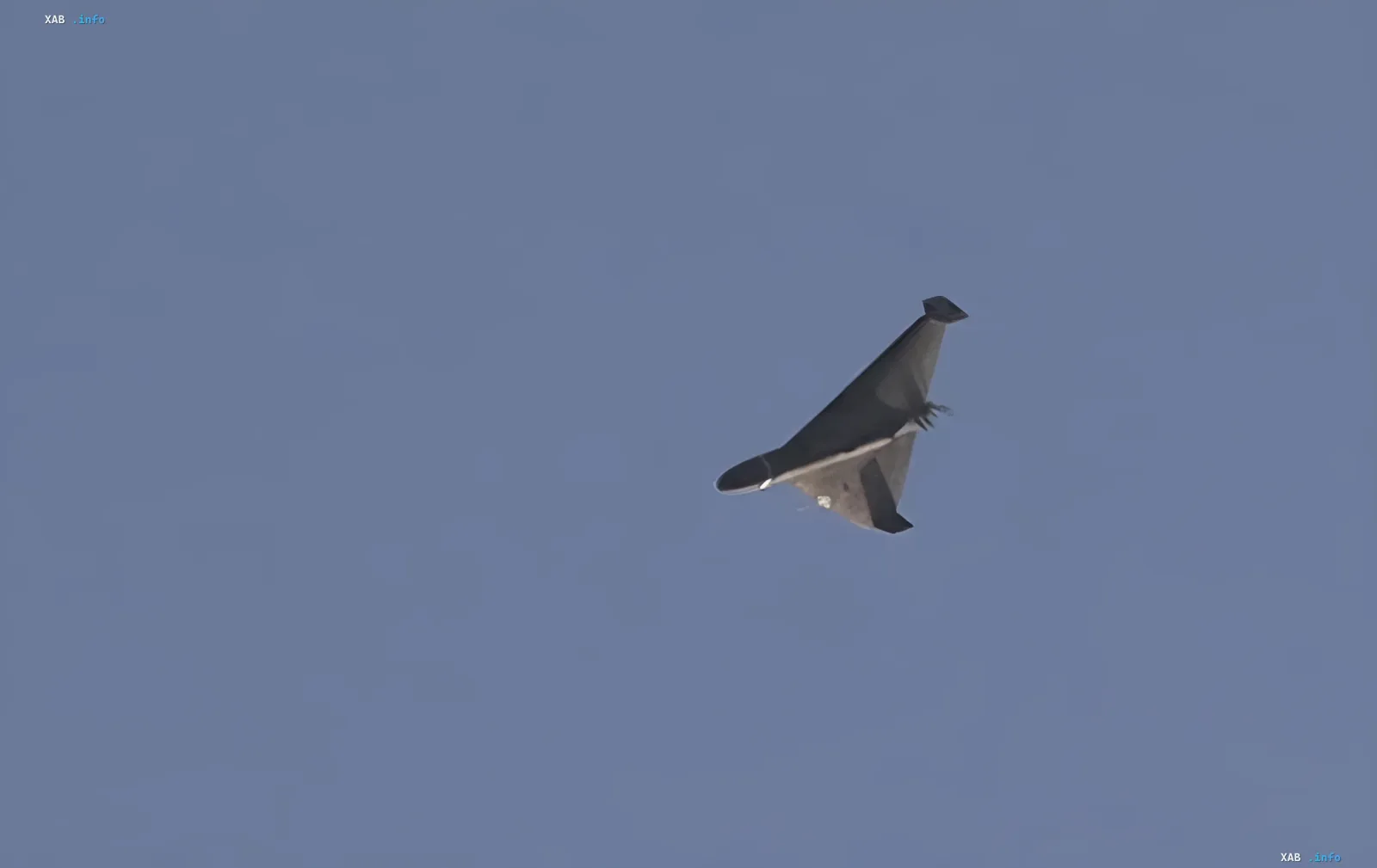
On the morning of 29 August 2026, Kyiv and the Kyiv region came under a second strike from Russian attack drones. According to operational reports citing the Kyiv City Military Administration (KCMA) and the Air Force of the Ukrainian Armed Forces, following a nighttime raid, the enemy made a second attempt within 24 hours to attack the capital and the surrounding area. An air raid alert was in effect in the city and on its approaches, while air defense units and mobile fire groups engaged the incoming enemy UAVs.
Repeated Air Raid Alert
According to the Air Force of the Ukrainian Armed Forces, the movement of jet-powered drones was detected over the capital and its surroundings during the morning and daytime hours. UAV activity was noted in the areas of Boryspil, Boyarka, Dymer and Holosiiv, that is, on the northern and eastern approaches to Kyiv. As a result, an air raid alert was declared in the city again, and civilians were urged to remain in shelters until the official all-clear was issued.
Air Defense Operations
The KCMA and a statement by Kyiv Mayor Vitali Klitschko confirmed the effective work of air defense forces against enemy drones. Explosions were heard within the city and in the suburbs, which, according to operational data, were the result of air defense and mobile fire group engagements. In some districts of the capital, including near the Valeriy Lobanovskyi Stadium, observers reported smoke. Officials asked residents to remain calm and not leave their shelters until the alert was lifted.
Consequences of the Second Wave
According to verified information from the KCMA and the city administration, during the second, daytime wave of strikes, no direct hits on critical or residential infrastructure in Kyiv itself were recorded, and there was no information on casualties in the city — the situation remained under control. At the same time, the nighttime attack affected the Kyiv region: warehouse facilities were again hit, and damage to civilian infrastructure was noted in the region. Civilians were asked to maintain an information blackout and not to spread unverified data until official reports were issued.
Contradictory Data
Early operational feeds and aggregated reports contained inconsistencies that required clarification. On the one hand, some messages mixed the current incident with archival data from 20 August (including a burning business center and casualties), which is unrelated to the events of 29 August and has been excluded from this publication. On the other hand, the Air Force's 24-hour statistics cover the entire territory of Ukraine and cannot be equated with a local daytime alert in the capital. Clarified information from the KCMA and the Mayor of Kyiv confirms that it was the second, daytime wave that was repelled by air defense with no recorded destruction or casualties within the city.