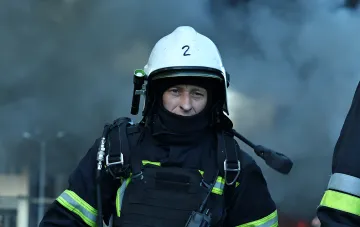
On the afternoon of October 14, 2026, Russian forces launched a large-scale air attack across Ukraine, using a record number of unmanned aerial vehicles for daytime hours. According to the Air Force Command of the Armed Forces of Ukraine, about 145 drones were recorded within just a few hours. The intensity of the raid required maximum mobilization of air defense forces nationwide.
Features of Jet-Powered UAVs Deployment
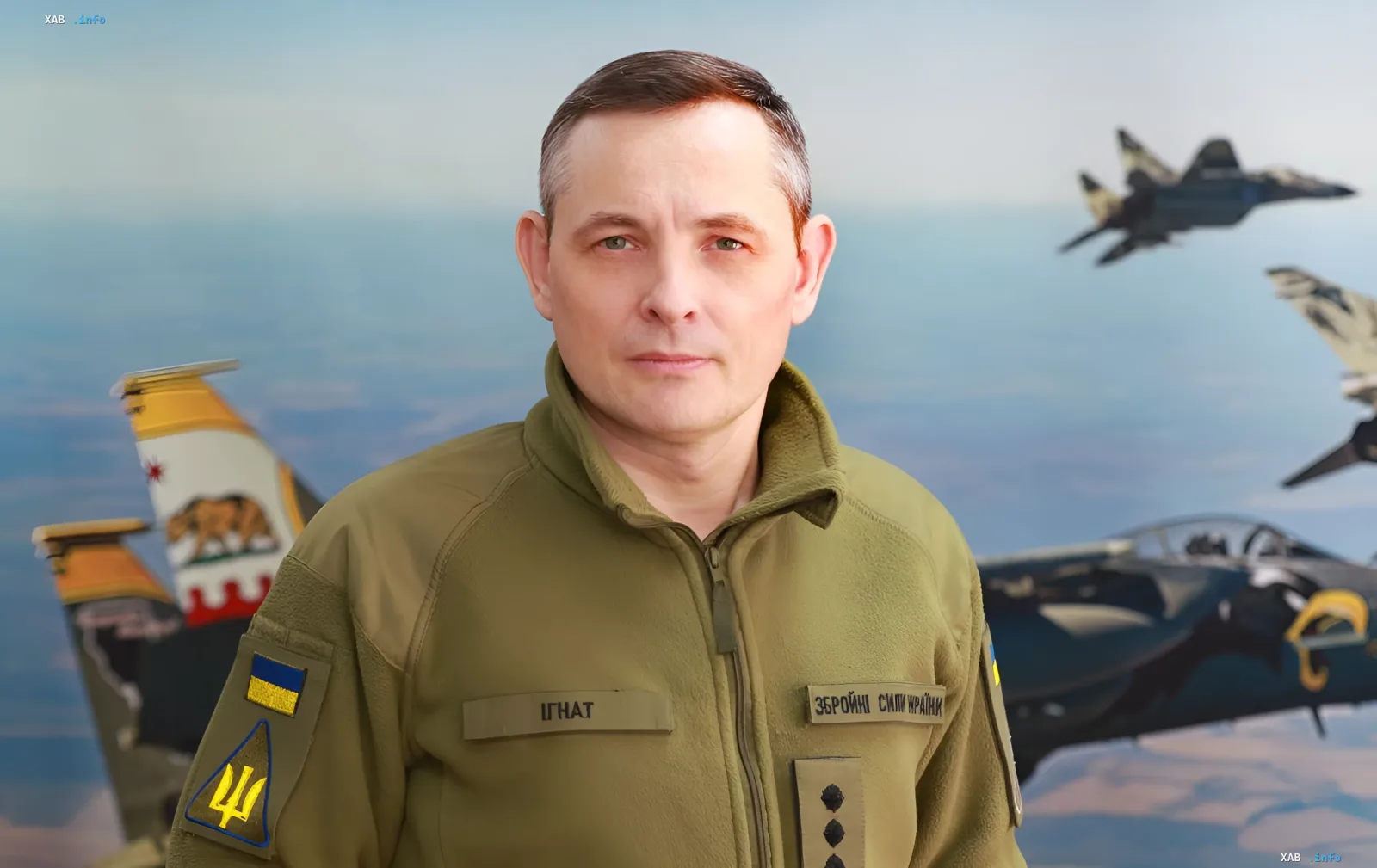
Yurii Ihnat, Head of Communications for the Air Force Command, stated that a key feature of this attack was the mass use of jet-powered drones. About 70 devices, slightly less than half of the total launched, were equipped with jet engines, while the rest used standard internal combustion engines. This combination is designed to overload Ukrainian radars and air defense crews.
Air Defense Combat Results
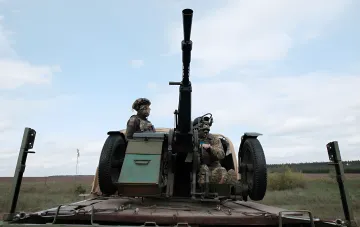
Despite the complexity of the combined threat, Ukrainian anti-aircraft gunners and mobile fire groups demonstrated high efficiency. As of 18:00, defense forces managed to destroy more than 100 enemy drones. Experts note that even with a high interception percentage, the remaining drones can still cause serious infrastructure and material damage on the ground.
Enemy Technical Tricks and Payload Variability
The military department emphasizes that Russian engineers are constantly upgrading drones to increase their range and destructive power. In particular, they vary the amount of fuel, the mass of the warhead, and install additional equipment such as cameras, network transmitters, and specialized modems. Ukrainian specialists are thoroughly examining the wreckage of downed devices to quickly counter the enemy's technological innovations.