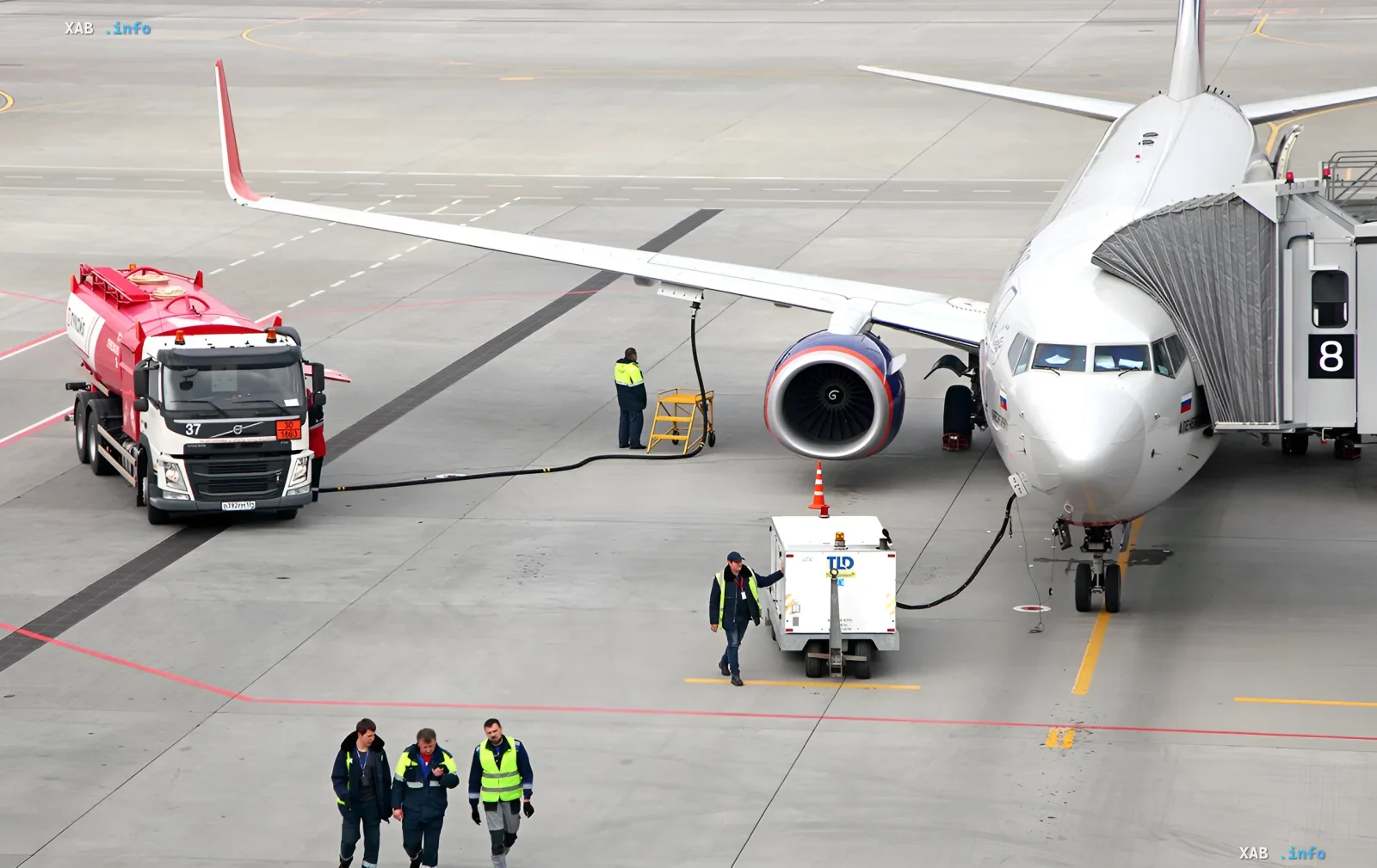
The Government of the Russian Federation has made an unprecedented decision: the export of aviation kerosene from the country is temporarily banned. The restriction, introduced by a cabinet decree, will remain in effect until November 30, 2026. The official reason is to prevent a fuel shortage in the domestic market and maintain industry stability.
The Goal is the Domestic Market, Not Global Supplies
According to the official statement, the main objective of the ban is to ensure a stable fuel situation within Russia. The restrictions apply to all batches of aviation kerosene, including those purchased at exchange auctions. However, several categories are exempted: fuel located in the technological tanks of aircraft in transit, batches that have already undergone customs clearance before the decree came into force, and supplies made under intergovernmental agreements.
The Cause: Attacks on Refineries and a Drop in Processing
Analysts from Bloomberg link this decision to the critical state of Russia's oil refining industry. According to the agency, drone attacks by Ukraine on Russian refineries have caused the level of crude oil processing in Russia to fall to its lowest point in the last 16 years. Ukraine is deliberately attacking a wide range of energy assets—from seaports to pipelines—to reduce the flow of petrodollars into the Kremlin's budget.
The Global Market Will Not Suffer
Despite the magnitude of the decision, experts note that it will have a minimal impact on international markets. According to Bloomberg estimates, Russia is not a key player in the jet fuel segment. Last year, the country exported an average of 30,000 barrels per day, which accounts for less than 2% of global supplies. In the first four months of 2026, this figure dropped to 28,000 barrels, with Turkey being the main buyer.
Background: The Gasoline Crisis and the Vacation Season
The decision to ban jet fuel exports was made against the backdrop of preparations for the summer vacation season, when demand for fuel traditionally rises. This is not the first restriction on fuel exports. The Russian Ministry of Energy has already reinstated a ban on the export of most types of gasoline since April 1, 2026, to keep it within the country.
Authorities are concerned about rising prices at gas stations, which could provoke social tension. Last year, particularly in March, Russia already imposed a ban on gasoline exports due to shortages and price spikes. In the autumn of 2025, the gasoline crisis affected at least 57 regions of the country, and in August-September, more than 360 gas stations were forced to cease operations due to a lack of fuel.


