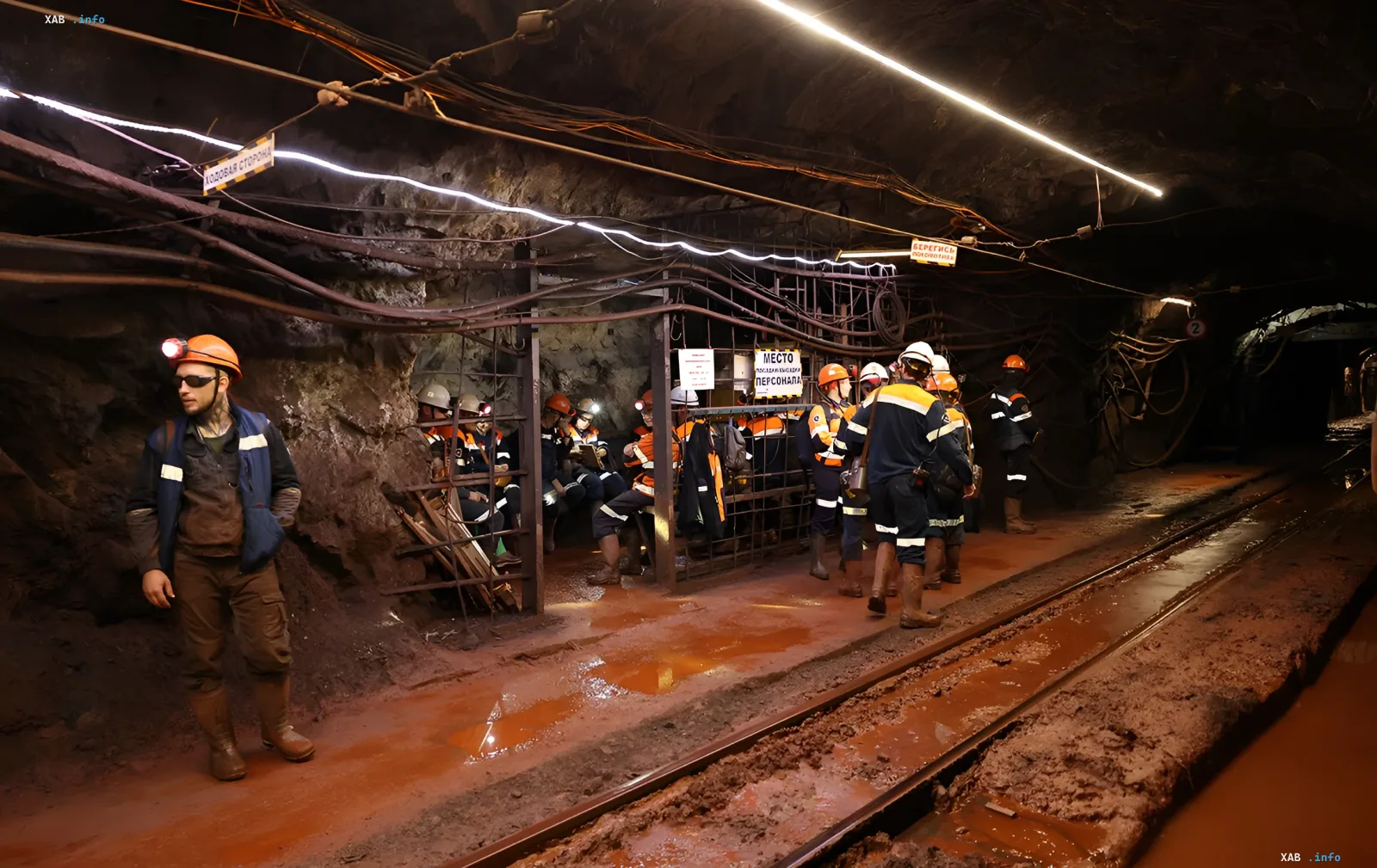
Russia's coal industry is entering a phase of systemic crisis that, according to estimates from the industry participants themselves, could lead to the elimination of up to 20% of production capacity within the next five years. This was stated by Alexander Isaev, CEO and co-owner of the Elga Group, in an interview with The Moscow Times, as reported by RBC-Ukraine citing its own data. According to him, the industry is undergoing a structural reshuffle: small enterprises working with low-quality coal will be exiting the market, while major companies that have their own coal processing facilities will maintain their operations. "Probably 20% of capacity will be closed," Isaev noted, adding that enterprises are already making serious savings, including cutting costs directly related to extraction, which now account for only 30% of total expenses.
Record Loss and the 2026 Forecast
The scale of the industry's problems is confirmed by official figures. For the full year 2025, Russia's coal industry recorded a net loss of 408 billion rubles — an absolute record in the industry's history. At the end of March 2026, Deputy Energy Minister Dmitry Islamov publicly acknowledged that the number of loss-making coal companies in the country is "growing rapidly." The government, for its part, forecast that in 2026 the industry's total losses would increase by a further 41% — to 576 billion rubles. If this forecast materializes, then over the three-year period of 2024–2026 Russian coal producers will lose more than one trillion rubles.
Who Will Suffer and Who Will Survive
According to Isaev's assessment, the crisis will be of a selective nature. Small and medium-sized mines that are unable to compete on cost and lack vertical integration in the form of their own processing are at risk above all. Major holdings, by contrast, are using the moment to consolidate the market: the closure of competitors expands their share of the remaining extraction volume. The industry employs around 150,000 people, and the mass closure of enterprises will inevitably affect the social situation in mono-cities whose economies are entirely tied to coal.
Context: The Crisis Extends Beyond a Single Industry
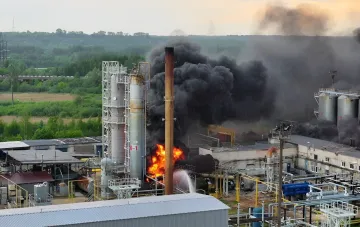
The coal reshuffle is taking place against a backdrop of broader economic pressure. At the end of August 2026, gasoline production in Russia fell to roughly 70% of domestic consumption levels following a series of drone attacks on oil refineries. For the first quarter of 2026, Russia's GDP shrank by 0.3%, while Belarus's economy contracted by 0.4%. The year 2025, which has now ended, brought other worrying signals: oil prices fell to a five-year low, and the space industry, by several metrics, returned to its 1961 level. Under such conditions, coal, traditionally regarded as the "backup runway" of the energy balance, has itself found itself in the risk zone.
What Comes Next
At present, the government has not presented a public plan for restructuring the coal sector. It remains unclear whether Moscow will encourage closures through tax and regulatory mechanisms or prefer to passively await natural selection. For the industry's 150,000 workers and dozens of mono-cities, the answer to this question will determine not only the economic but also the social trajectory of entire regions in the coming years.