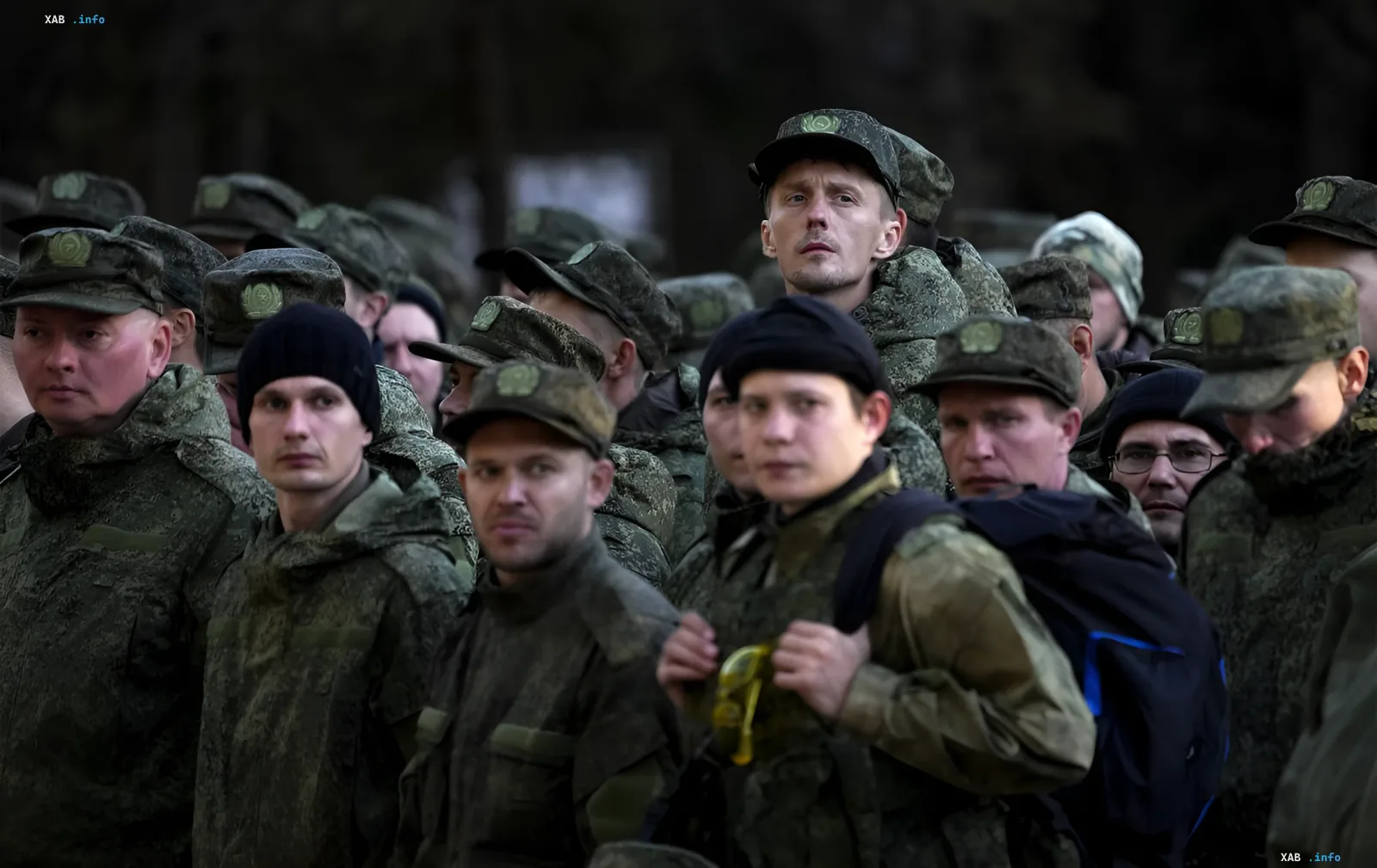
Russian social networks have seen a sharp rise in the number of advertisements recruiting for military service under contract to take part in combat operations against Ukraine. According to The Moscow Times, as cited by RBC-Ukraine, thousands of near-identical posts appear daily on VKontakte and Odnoklassniki, a significant share of which are not placed in military pages but in job-search communities. The texts promise potential contract soldiers multi-million payouts, social benefits for the servicemen themselves and their family members, and the possibility of writing off debts of up to 10 million rubles. Some ads are accompanied by calls to sign a contract "before the start of a new mobilization," indicating an attempt by recruiters to get ahead of a possible administrative decision.
"We'll take everyone" advertising: from hepatitis to category 'D'
Particular attention is drawn to posts in which recruiters claim to be ready to accept candidates with serious illnesses and persons formally unfit for service. One ad, posted in Voronezh Oblast, states outright: "Hepatitis, HIV, syphilis and other conditions — we are ready to accept!" At the same time, HIV infection and certain forms of chronic viral hepatitis are included in the list of conditions that, under current rules, may serve as grounds for restricting the conclusion of a contract during mobilization, martial law, and wartime. Recruiters have also begun offering service to men with fitness category "D," which denotes unfitness for military service, including due to mental disorders and drug addiction, promising to consider such candidates "strictly confidentially."
Where and with what sums they recruit
Advertising has ceased to be purely "military": ads appear in local administration groups, house-of-culture pages, job-search pages and other local communities, not only in specialized social networks. The promised sums vary by region. As an example, the publication cites the official group of the government of Zabaykalsky Krai, where a one-time payout of 2.6 million rubles, 210,000 rubles per month, and 5.6 million rubles for a year of service were offered. This regional differentiation and the placement of ads in "civilian" communities indicate an attempt by recruiters to expand their audience reach beyond the usual military content.
Contradictory data
Here there are two significant inconsistencies. The first — between the advertising and the regulatory restrictions: recruiters publicly claim to be ready to accept people with HIV, syphilis and category "D," whereas some of these conditions, per the list, may restrict the conclusion of a contract in wartime; in other words, the "we'll take everyone" promises are not confirmed by the actual processing of such persons and may merely be a marketing ploy. The second — between the aggressive advertising campaign and the rise in payouts, on the one hand, and the actual pace of recruitment, on the other: according to available data, from January to August 2026, around 234,000 Russians signed contracts with the Russian Ministry of Defense, which is 10% less than over the same period the previous year. In other words, despite the lowering of the "entry threshold" in advertising and the increase in money, the overall flow of signatories is declining, which calls into question the effectiveness of the current recruitment strategy.
Context: departure and mobilization documents
Against the backdrop of intensified contract recruitment, Russia has simultaneously tightened restrictions on the departure abroad of mobilization-age reservists. According to available information, the first case has been recorded in which a reservist was not allowed to leave the country due to a mobilization directive entered into his documents. The combination of these measures — mass advertising of contracts, the promise to "take everyone," and the closing of departure "windows" for the reserve — indicates an attempt by the state to simultaneously expand the army's active personnel and limit the possibility of evading conscription through departure.